Phil McNulty writes that England World Cup hopes have cleared an early test by finishing top of their section, but he warns that doing the job in the group stage is not the same as being equipped to win a tournament. McNulty’s central line is blunt: England topped the group, yet unless they improve specific areas — notably their defence and their ability to create high-quality chances — their title prospects remain far from secure.
“England did their job topping the group – but they can forget winning the World Cup if they do not improve,” Phil McNulty wrote.
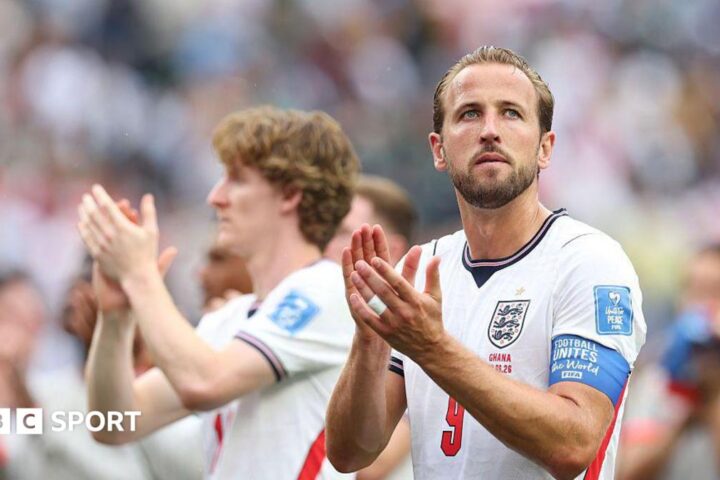
England celebrate topping the group.

What went right in the group
There were tangible positives. Finishing top preserved momentum and delivered a better route into the knockout rounds, giving the manager room to rotate and plan for the next opponent. On several occasions England displayed tactical discipline: defensive organisation in set-piece moments, compactness when required, and the ability to control phases of a match.
Those features matter in tournaments. They show the squad can be drilled to follow a plan, and they protect against the immediate damage of early mistakes. The psychological benefit of a group win—confidence and a calmer dressing room—should not be underestimated.
Key moments that shaped the group stage.
England World Cup: Where England must improve
McNulty’s analysis separates the encouraging from the alarming. He highlights two interlinked deficits: defensive consistency and the conversion of possession into genuine goal-scoring opportunities. Topping the group has papered over some issues; knockout football will not be so forgiving.
Defence: Moments of solidity were interspersed with lapses—brief windows of avoidable pressure and concentration failures. In single-elimination matches, one such lapse can end a campaign. McNulty argues England need cleaner defensive transitions, clearer channel protection when full-backs push high, and tighter situational discipline when opponents press or launch rapid counters.
Chance creation: Possession and territorial control did not always translate into clear-cut chances. England have talented attackers, yet converting control into frequent, high-quality opportunities requires sharper off-the-ball movement, better lateral and vertical linking between midfield and forwards, and more variation in how the final third is attacked. McNulty warns that against compact, well-drilled opponents, a lack of varied attacking patterns can render a team sterile.
Improving in these areas is concrete work. Coaching tweaks might include refined pressing triggers, cleaner hand-offs in defensive transitions, different half-space rotational patterns to unsettle rigid markers, and targeted set-piece routines. Personnel decisions—fielding the most creative midfield link or changing an attacking shape earlier—could also be decisive.
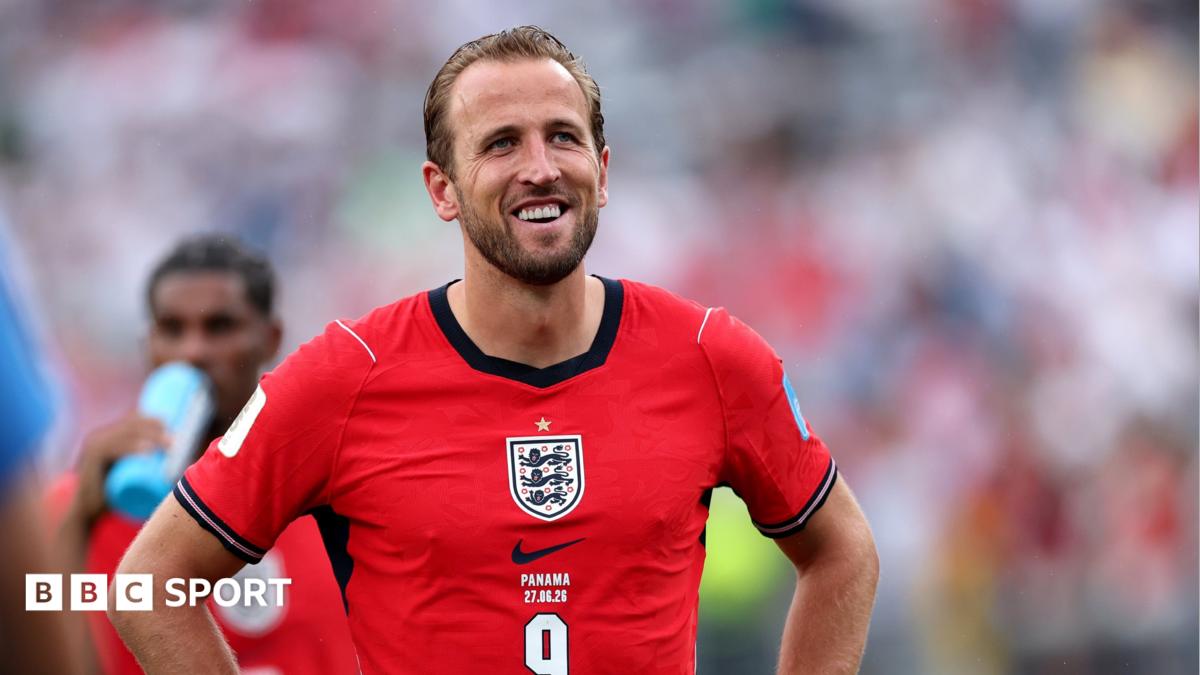
Players under scrutiny ahead of the knockouts.
Coaching and tactical adjustments
McNulty frames the necessary response as evolutionary rather than revolutionary. He suggests marginal gains: clearer signals for when defenders should step, rehearsed counters to opponents’ presses, and more assertive use of substitutions to alter the game’s tempo. In tournament football, such marginal tweaks can swing a close match.
Crucially, execution matters. The same ideas that work in theory falter without crisp delivery. Training that replicates high-pressure scenarios, quicker bench interventions, and variations in build-up patterns are among the levers McNulty highlights.
Knockout stage stakes and scenarios
With the group stage complete, England move into an environment that magnifies faults and limits recovery time. Opponents will study footage, identify tendencies, and tailor plans to exploit them: compact defensive blocks to deny space, pressing patterns designed to force errors, or targeted long balls to test aerial and transitional defence.
What comes next is immediate and binary. England must demonstrate adaptability: can they change tempo mid-game, manufacture chances against low blocks, and close out games without inviting risk? Tactical choices—formations, when to commit extra attackers, when to protect a lead—will have oversized consequences.
Balancing confidence with urgent work
McNulty does not dismiss the value of topping the group. Instead, he uses it as a benchmark that exposes the gap between meeting short-term objectives and being tournament-ready. Confidence from positive results must be paired with targeted correction of weaknesses.
The manager’s task is to preserve belief while installing pragmatic fixes. That balance—keeping players confident but addressing tactical fragility—is the recurring theme of McNulty’s piece and the practical prescription for England’s next steps.
This analysis summarises Phil McNulty’s opinion column for BBC Sport and reflects his judgments about England’s progression from the group stage and what must change before the knockout rounds. For McNulty’s original column, see: BBC Sport – Phil McNulty.
Source: BBC Sport. This is an opinion-style analysis based on Phil McNulty’s column and should be read as commentary rather than definitive outcome.