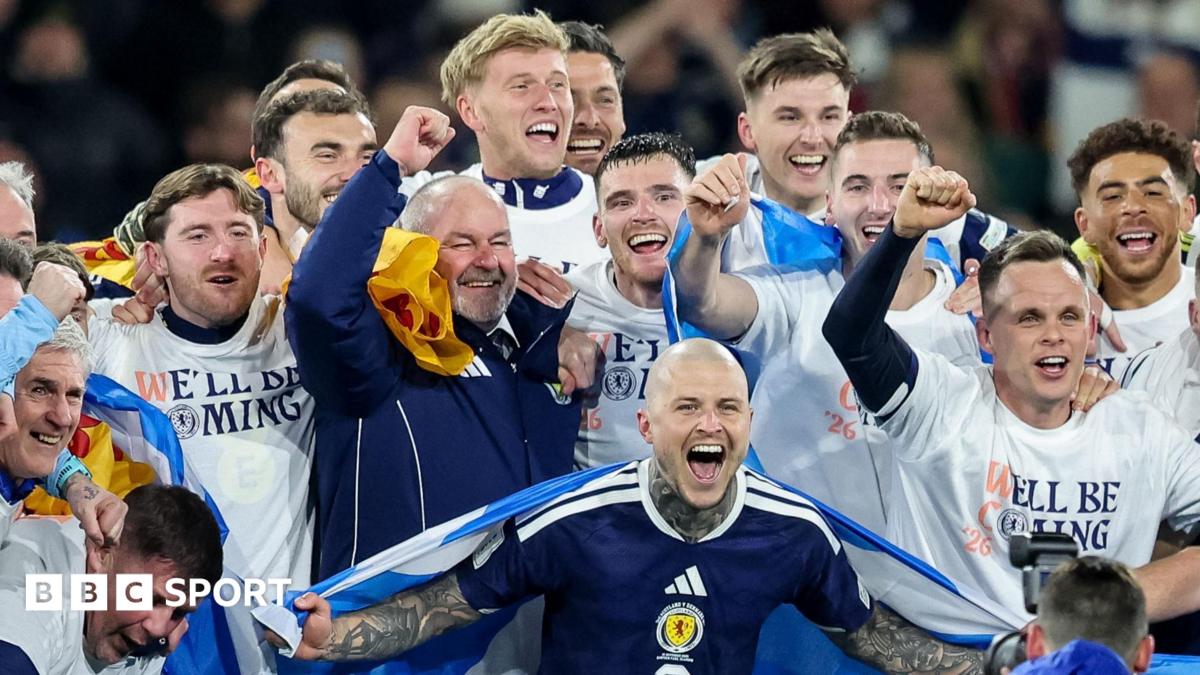
Published 28 June 2026 in a BBC Sport article by Tom English, Steve Clarke has stepped down after seven years in charge of the Scotland national team, BBC Sport reports. According to Tom English for BBC Sport, Clarke managed Scotland for seven years and did not lead the side into the knockout stages of a major championship.
This piece summarises that reporting, assesses Clarke’s record in office, explains why his exit has been described as prompting a “sense of relief” by some observers, and outlines the immediate strategic questions facing the Scottish Football Association (SFA).
Where Steve Clarke leaves Scotland
Tom English of BBC Sport describes Clarke’s spell as one that delivered stability and a clearer identity for Scotland after a period of inconsistency. The seven-year tenure gave Clarke the time to impose selection patterns and organisational routines that, according to BBC Sport, restored credibility and competitiveness.
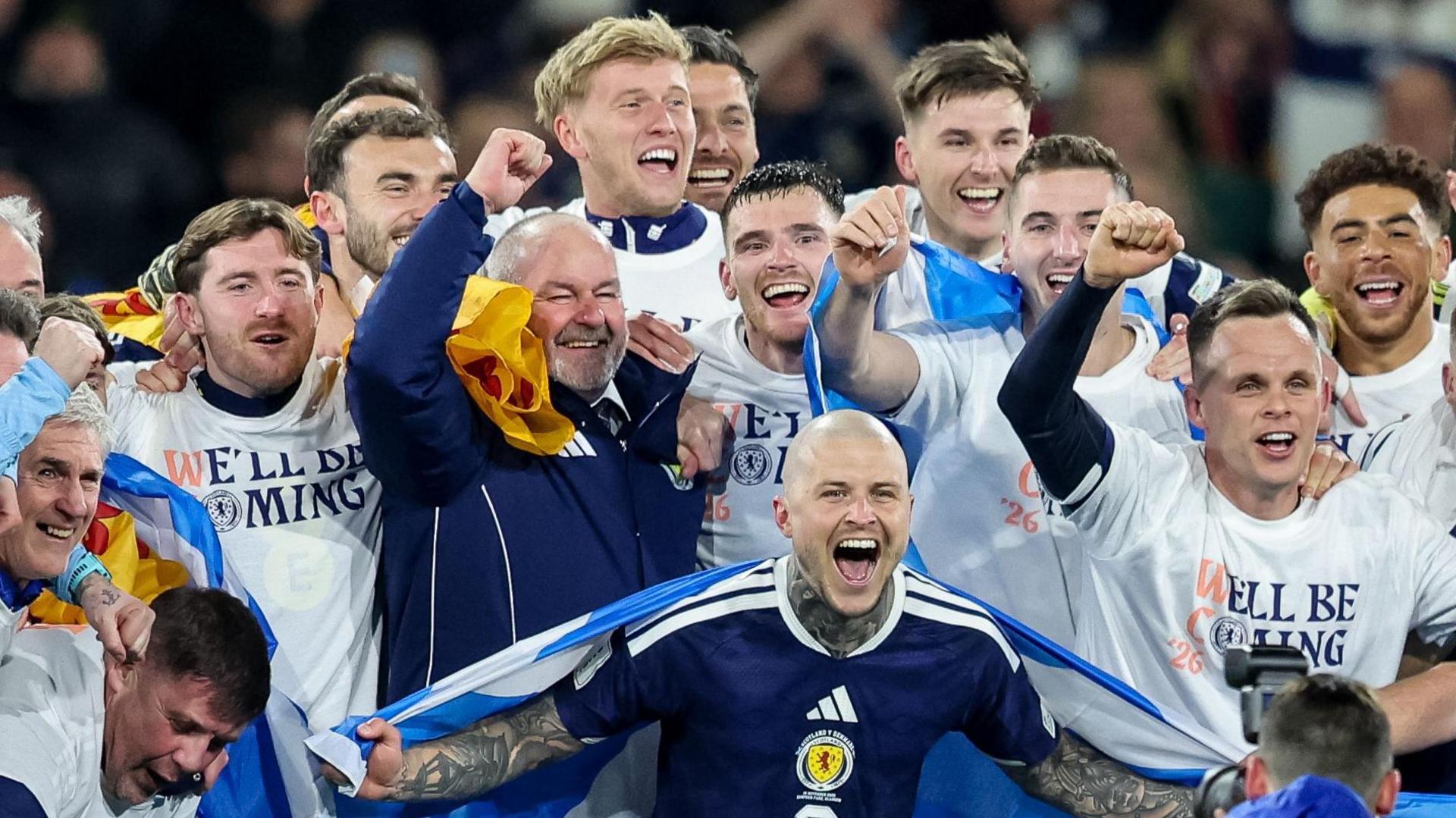
BBC Sport explicitly notes the main shortcoming in Clarke’s record: he did not shepherd Scotland into the knockout rounds of a major finals tournament. That absence of a major-tournament knockout appearance is central to how many commentators weigh his overall legacy.
Key achievements and limits in Clarke’s tenure
According to the BBC Sport coverage by Tom English, Clarke’s achievements include stabilising the squad and improving day-to-day international management — clearer selection choices, more consistent team organisation and a stronger defensive foundation. Those elements are commonly cited in assessments that credit him with taking Scotland “out of the wilderness,” a phrase used in contemporary summaries of the era.
Yet BBC Sport and other contemporary reports frame those gains against an unmet objective: progress at major tournaments. Measured by the benchmark of knockout matches at finals, Clarke’s tenure falls short. Tom English highlights that while Scotland became harder to beat and more coherent, the decisive step to advance in a major finals remained elusive.
These judgements combine match results with interpretation. BBC Sport’s reporting makes clear which parts of Clarke’s record are factual (length of tenure, tournament results) and which are evaluative (descriptions of progress or stagnation), and it attributes both to named sources and observers.
Why the exit produced a sense of relief
BBC Sport’s Tom English reports that coverage of Clarke’s departure has repeatedly used the phrase “sense of relief.” That characterisation captures a range of responses among fans, some commentators and, reportedly, figures within the game. The description is explicitly subjective in the BBC Sport piece and reflects differing expectations around short-term results versus longer-term consolidation.
For some observers cited in reporting, relief stems from the hope that a new manager could provide the tactical tweak or motivational reset needed to reach knockout rounds at major tournaments. For others, the feeling arises from frustration that tournament progression did not follow the structural improvements Clarke achieved.
BBC Sport’s account treats that reaction as reported sentiment rather than an objective measure of success; Tom English notes who is making these points and frames them as part of the public and internal reaction to the exit.
What comes next for Scotland
Reporting indicates the immediate priorities for the SFA will be defining the profile of the next manager and moving at an appropriate pace to secure a successor. Short-term practical priorities will include clarifying selection policies, assessing tactical flexibility, and preparing the squad for the upcoming qualification cycle for the next major tournament.
Any incoming coach will inherit a group shaped in part by Clarke’s choices. BBC Sport’s analysis suggests continuity could help, but also that targeted change — in personnel decisions, tactical approach or match management — may be needed to translate stability into tournament progression.
Longer-term strategic questions highlighted in the coverage include how the SFA balances immediate results with development of players for future tournaments, and whether the next manager will be expected to push for quicker, more ambitious progress at finals.
Background and context
Clarke’s seven-year tenure brought a period of relative stability compared with the rapid turnover common in international roles. BBC Sport and Tom English place value on that stability when assessing his contribution, while also noting the weight placed on major-tournament milestones in judging international managers.
Source and context
This article is based on reporting by Tom English for BBC Sport, published 28 June 2026. For the original coverage and full context, see the BBC Sport piece linked below.
Frequently asked questions
What happened with Steve Clarke?
Tom English reports for BBC Sport that Steve Clarke left the Scotland job on 28 June 2026 after seven years in charge; BBC Sport notes he did not lead the team into the knockout stage of a major championship.
Why does Steve Clarke matter?
Clarke is considered important because, as BBC Sport explains, he stabilised a team that had been inconsistent, created clearer selection patterns and restored competitiveness — even though the key tournament breakthrough was not achieved.
What happens next?
The Scottish FA must set a timeframe and desired profile for the next manager, balance continuity with change, and focus on converting the platform Clarke left into progress at future major tournaments.