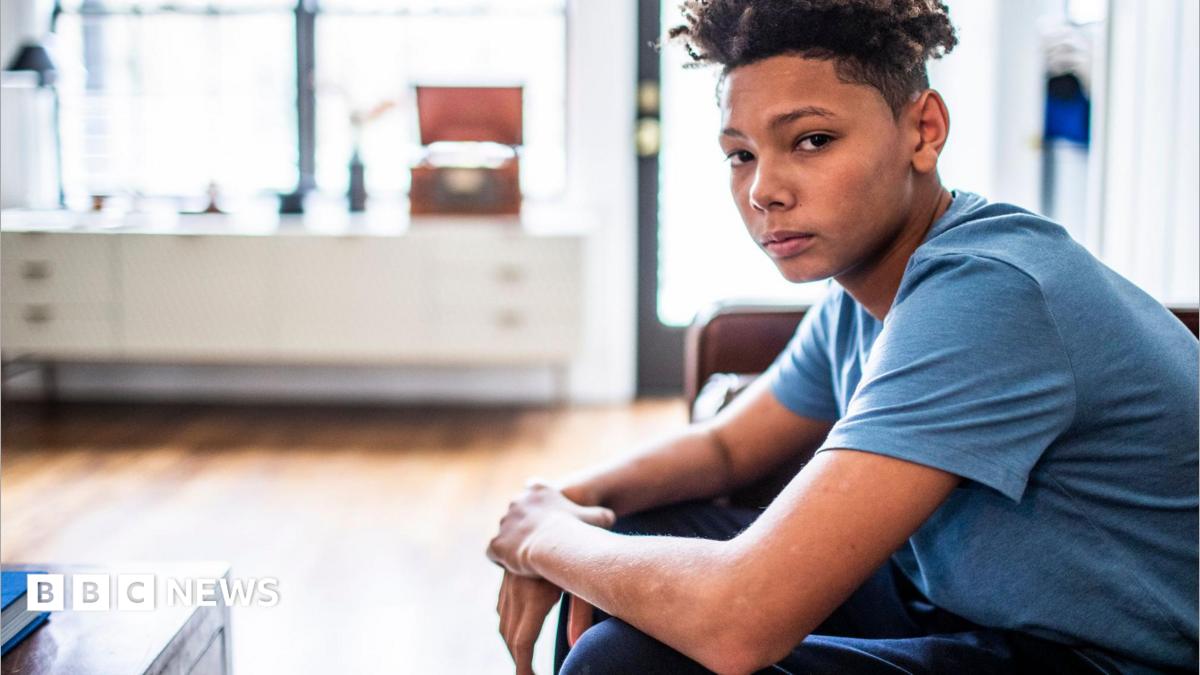
More than one million children’s mental health referrals have been recorded in England, BBC News – Health reports, with anxiety the most common reason families are being referred for specialist care. The BBC analysis places that figure at the centre of concerns that demand has outstripped local capacity, and notes that some families face waits measured in months and, in reported cases, years.
Scale of children’s mental health referrals
The BBC’s coverage shows that children’s mental health referrals in England have topped one million. That headline — carefully attributed to BBC News – Health — sets the frame: referrals are substantially higher than in earlier years and are concentrated in conditions such as anxiety. The story draws on NHS and local-provider data cited by the BBC; it does not present a single national waiting-time average.
Who is being referred and why anxiety leads
Children and young people across age groups are included in the referral totals, but anxiety-related problems are the most frequently recorded reason for referral. The BBC highlights anxiety as a leading driver alongside other issues such as depression, behavioural difficulties and self-harm concerns.

Clinicians and school staff quoted in the reporting point to several overlapping causes: greater public and professional awareness of mental health; higher levels of anxiety and social distress following pandemic-related disruption; and pressures linked to schooling and family circumstances. Teachers, GPs and school counsellors often initiate referrals when symptoms — persistent worry, panic attacks, school refusal or declining daily functioning — interfere with education or safety.
Not every referral leads to long-term specialist treatment: some result in short interventions, one-off assessments or signposting to community support. The BBC story makes that distinction clear while emphasising the cumulative strain on services when large numbers of families seek help at the same time.
Waiting times and capacity in England
The BBC report stresses that demand has outpaced local capacity in many parts of England. Waiting lists for assessment and treatment have grown, and the BBC includes accounts from families reporting waits lasting months and, in some reported instances, years for specialist therapy. Those accounts are presented as reported experiences rather than a single national average.
Local provision varies substantially. Some areas have additional funding, targeted early-intervention programmes or partnerships with voluntary organisations that reduce waits; others have severe shortages of therapists and specialist staff. NHS trusts and local services use triage systems to prioritise urgent cases, but routine referrals may face much longer waits.
Commentators and clinicians quoted by the BBC caution against using the raw referral count as a direct measure of unmet need: it is a signal of pressure on the system that reflects a mix of short-term and long-term care pathways, varying local capacity and differing referral thresholds.
What this means for parents and carers
For many families, an initial referral will be followed by a period of waiting. While specialist assessment and treatment are important for children with complex needs, there are practical steps parents and carers can take while waiting for services:
- Contact the GP or the team that handled the referral to check status, triage category and whether the child is on an urgent list.
- Ask schools about available support: many schools offer counselling, pastoral care, adjusted timetables or bespoke learning plans that can reduce immediate pressures.
- Explore NHS and charity resources for interim care. The NHS page for children and young people provides guidance and links to local services: NHS guidance for children and young people.
- If a child is at immediate risk of harm, contact emergency services or use NHS 111 for urgent mental-health support; if someone is in imminent danger, call 999.
Parents should also ask whether digital therapies, group programmes or community-led services are available locally as interim options. Regular, structured support at home — routines, sleep, paced school re-entry and clear communication with teachers — can reduce distress while clinical assessment proceeds.
Background and policy context
Health leaders, campaign groups and officials quoted in the BBC coverage link the rise in referrals to several broader trends: growing public recognition of mental-health needs, an increased willingness to seek help, and ongoing pressures on children’s wellbeing after the pandemic. Services describe a recurring mismatch between rising demand and the workforce and funding available locally.
National policy responses have included commitments to expand early-intervention services and recruit more child mental health staff, but implementation and impact vary across local NHS trusts. Observers say the referral figures are likely to prompt renewed attention from ministers and health authorities to reduce waits and strengthen community support.
What comes next
As the BBC figures circulate, expect local NHS trusts to outline short-term measures to triage demand and national policymakers to face pressure for clearer commitments on workforce and funding. In practice, progress depends on recruitment, training and the scaling-up of early-intervention programmes alongside better data on local waits and outcomes.
Meanwhile, schools, primary care and voluntary organisations are likely to remain crucial in offering earlier, lower-intensity help that can prevent problems escalating while families wait for specialist services.
FAQs
How long do children wait for mental health treatment in England?
The BBC report notes that waiting times vary widely by area and priority: some children wait months and, in reported cases, years for specialist help. The article does not provide a single nationwide average; waits depend on local demand, available staff and triage category.
Why are referrals for children’s mental health rising?
The BBC describes several contributing factors: increased awareness and willingness to seek help; post-pandemic effects on young people’s wellbeing; and social and educational pressures. These are presented as likely contributors rather than definitive single causes.
Where can I get urgent help if my child is in crisis?
If a child is at immediate risk, call 999. For urgent mental-health assistance contact NHS 111 or your local crisis team. For general guidance and resources see the NHS page for children and young people: https://www.nhs.uk/mental-health/children-and-young-people/.
Source: BBC News – Health: https://www.bbc.co.uk/news/articles/cwyd1l0lge8o. The article and figures are presented here as reported by the BBC and attributed accordingly.