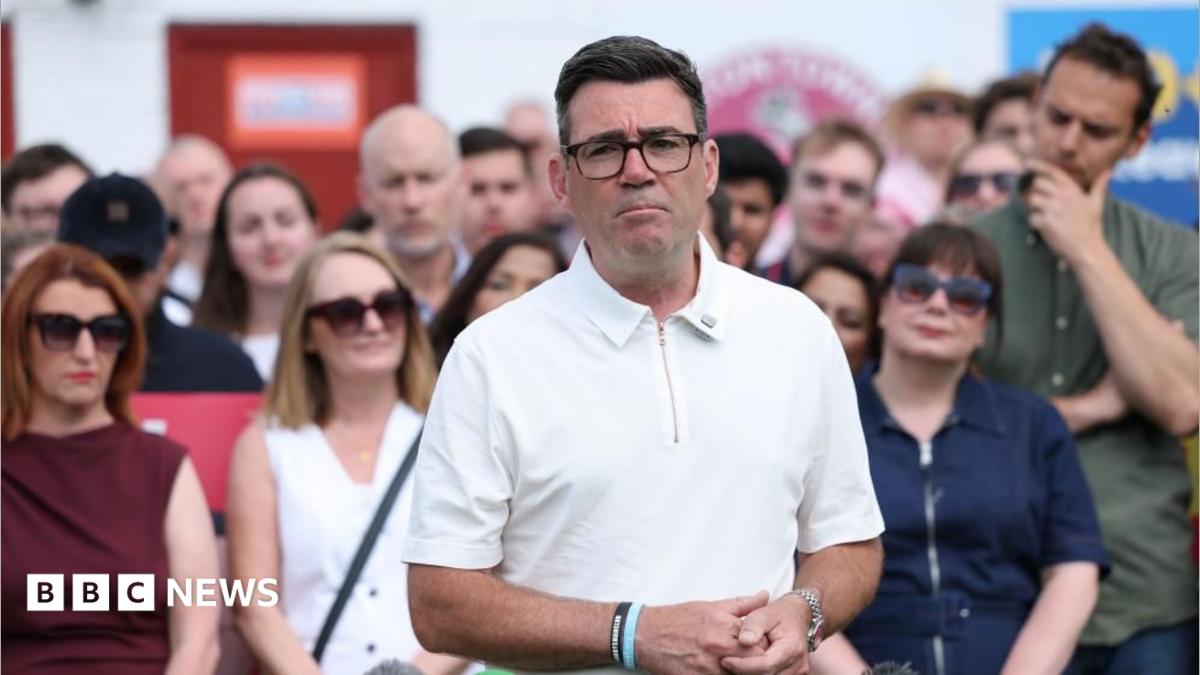
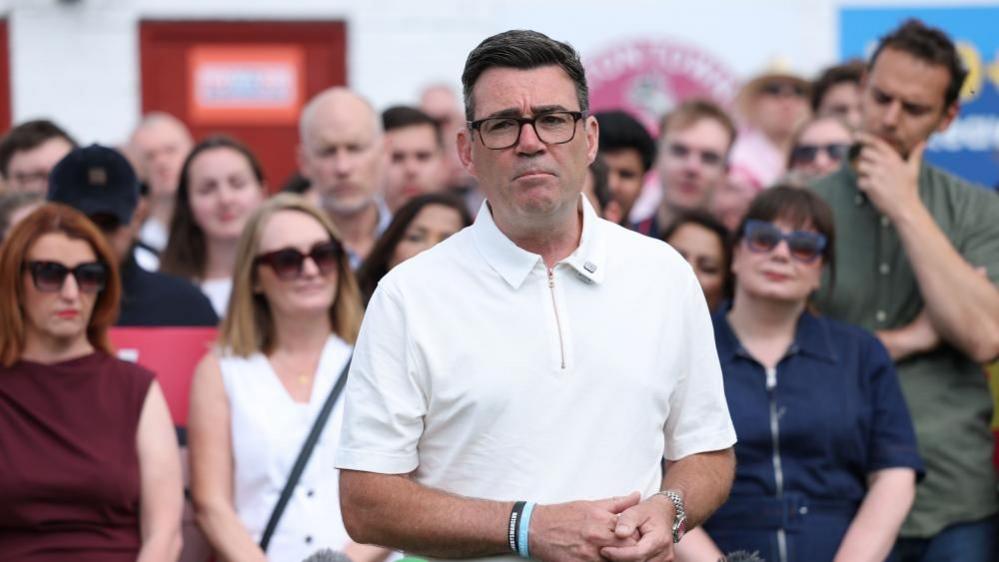
Andy Burnham used his first major speech since launching a No 10 bid to set out a policy platform in Manchester focused on devolution and regional economic recovery. Burnham, the former health and social care minister and mayor of Greater Manchester, told supporters he would press for stronger local control over spending and services if elected prime minister.
The Manchester address sought to tie an economic agenda to a constitutional shift in how decisions are made in the UK, arguing that giving local leaders greater authority would allow regions to tailor investment and services to local needs.
What happened
Described by some outlets as the favourite to be the next prime minister, Burnham delivered a policy-heavy speech in Manchester that he presented as a blueprint for national recovery. This was his first significant public address since launching his No 10 bid.
The speech emphasised two linked themes: a set of economic priorities for growth and a push for devolved powers so local mayors and councils can act more independently of Westminster on areas such as transport, skills and housing.
Burnham’s economic vision
Burnham framed his economic vision around regional growth, public service resilience and targeted investment. He said the government should prioritise jobs, skills and infrastructure in ways that reflect local industrial strengths and labour markets.
Key elements he highlighted included devolving spending decisions so local leaders can fund transport links, vocational training and business support tailored to their areas, and backing councils to respond quickly to local pressures on public services.
He positioned these moves as a way to boost productivity outside London and the south-east by aligning investment with regional needs. The speech outlined priorities rather than a full legislative programme; Burnham said further detail would follow in policy papers during the campaign.
Devolution pledge explained
When Burnham talks about devolution he means shifting decision-making and budgets from central government to regional or local institutions. In practical terms that can cover control over transport networks, housing policy levers, skills and adult education funding, and some aspects of health and social care commissioning.
In Manchester he pledged a new settlement to give local leaders more say over how public money is spent. He stressed that any transfer of powers would require negotiation, new funding arrangements and, in many cases, primary legislation to change legal responsibilities.
Political context and prospects
The Manchester speech is part of Burnham’s early effort to move the campaign conversation from personality to policy. Labour sources and campaign strategists, as reported by media outlets, have suggested devolution is a central plank of his pitch to voters and party members.
Observers say emphasising devolution can help in regions that feel overlooked by centralised decision-making, and that Burnham’s record as a mayor gives him a practical case study to point to when describing how local powers can be used.
That said, media descriptions of him as a ‘favourite’ should be read as assessments by some outlets rather than determinations of outcome: leadership contests are fluid and hinge on party rules, member preferences and wider political events.
What comes next
In the days after the Manchester speech Burnham’s campaign is expected to publish more detailed policy papers, hold regional events and test proposals with local officials, business groups and trade unions. Political rivals will respond and regional leaders will assess the appetite and practicalities for any proposed transfer of powers.
Any route to implementing new devolved powers would normally involve negotiating deals with councils and mayors, securing funding commitments and, where necessary, introducing legislation in Parliament. Campaign watchers will be looking for an outline timetable and the first substantive policy documents from Burnham’s team.
Background
Debate over devolution has been ongoing in UK politics for years, producing a mix of city deals, mayoral powers and regional arrangements. Burnham’s speech seeks to build on that patchwork with a more systematic approach, though he did not set out a full legal framework or dates for delivery in Manchester.
Recap
Andy Burnham used his first major Manchester speech since launching a No 10 bid to promise devolution and set out an economic vision focused on regional growth, skills and infrastructure. He framed the proposals as a way to give local leaders more control over spending and services. For original coverage see BBC News – Top Stories and the linked BBC report below.
Source: BBC News – Top Stories. Original reporting: BBC News article. Published: 29 June 2026.