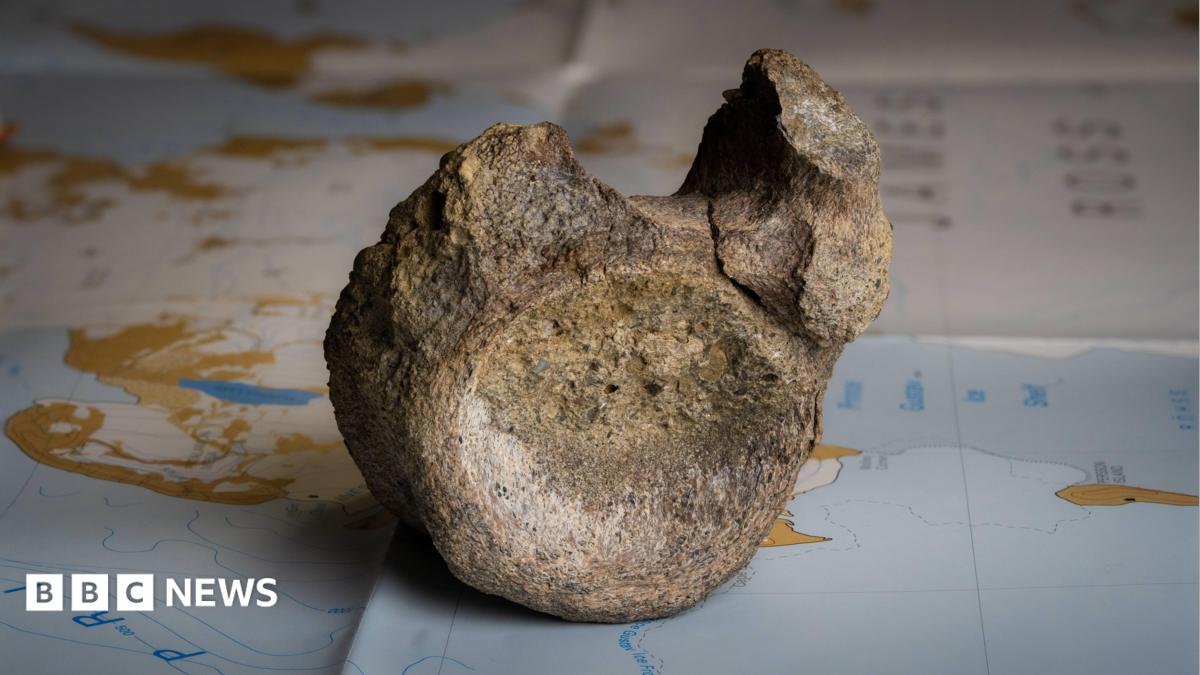
BBC News reports that a fossil collected in Antarctica in 1985 has been re-examined and identified as a Titanosaur tail element after being rediscovered in a museum drawer.
What was found
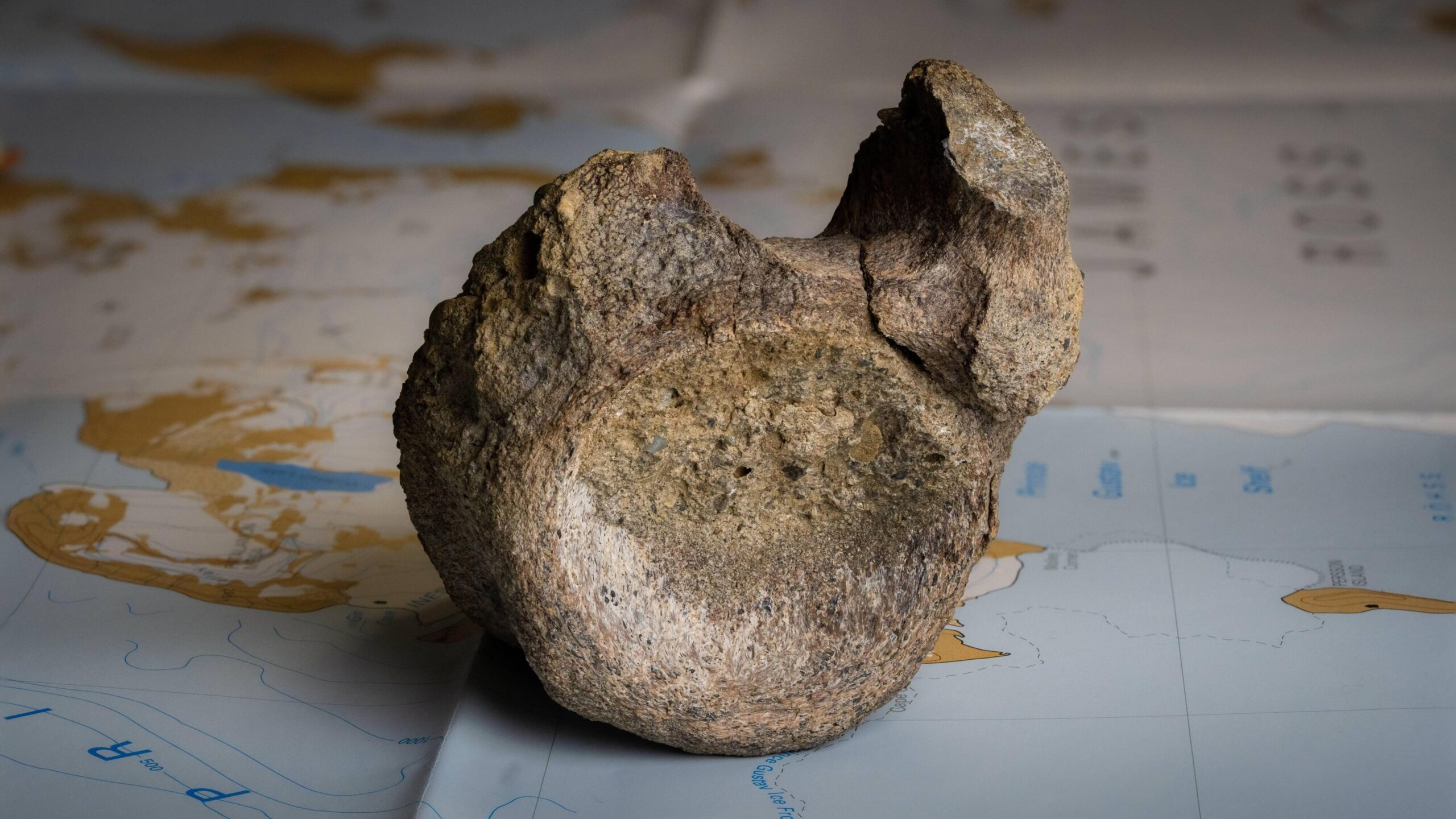
The specimen is a fossilised tail element — part of a vertebra — that researchers now classify as belonging to a Titanosaur, a subgroup of large sauropod dinosaurs. According to BBC News, the bone was collected during Antarctic fieldwork in 1985 and later entered museum holdings, where it sat in a drawer until a recent re-examination highlighted its potential importance.
That the fossil came from material collected in Antarctica in 1985 is central to the story: it places the specimen in older field campaigns to polar regions and underlines how archived collections can still yield new scientific findings decades later.
How researchers identified it
Researchers compared the shape, proportions and surface detail of the vertebral element with those of known sauropod tail bones. Anatomical features of the centra and processes on the vertebra are consistent with those seen in titanosaurian sauropods, leading curators and paleontologists involved with the museum specimen to classify it as a Titanosaur tail element.
The current identification is based on morphological comparison of a museum specimen rather than new excavation evidence. BBC News describes how specialists treated the object as a preserved museum fossil, examined it within the collection and reached the tentative match to Titanosaur anatomy.
Why the “first” claim is tentative
Some headlines have described the find as the “first” dinosaur bone from Antarctica. The BBC News report presents that as a reported claim and not a definitive scientific conclusion. Independent confirmation — typically further expert review and publication in a peer-reviewed journal — is still required before such a claim can be accepted as established.
Claims of being the “first” often need careful checks against older literature, museum records and previously described specimens. In this case, the reporting by BBC News is the primary public account of the identification; the scientific community will want to see more complete documentation, comparisons and, if possible, corroborating specimens.
What we still do not know
Several important details remain unclear from current reporting. Public accounts do not fully specify who rediscovered the fossil in the drawer, the exact institutional custody history, or the specimen’s catalog number and associated field notes from the 1985 expedition.
Provenance questions include: who made the in-archive discovery, which museum or collection formally held the piece, and whether original field records can tie the fossil to a precise stratigraphic horizon in Antarctica. These data are essential to place the bone in geological and palaeoenvironmental context.
What comes next for the specimen
Standard next steps will include a detailed descriptive study, imaging (for example CT scanning if feasible), and comparison with other Antarctic and global titanosaur material. Researchers will likely publish a formal description that includes photographs, measurements and a discussion of how the specimen compares with named species.
Dating and contextual work depend on surviving field documentation from the 1985 collection event. If those notes and field labels are available and reliable, they can help narrow the specimen’s age and geological setting. The museum specimen should be made available to other specialists for independent assessment — a key part of scientific validation.
Why this matters
Even as a tentative identification, a titanosaurian tail element within Antarctic collections highlights the research value of curated museum material. Rediscovered specimens can change our understanding of past ecosystems, species distributions and how dinosaurs adapted to high-latitude environments during the Mesozoic.
Confirming the find could add weight to evidence that large sauropods occupied polar regions and contribute to broader studies of dinosaur biogeography and past climate systems in Antarctica.
Frequently asked questions
Is this the first dinosaur bone ever found in Antarctica?
Not yet confirmed. BBC News reports the possibility, but independent verification and a thorough review of historical records and prior specimens are needed before declaring it the first.
What is a Titanosaur?
Titanosaurs are a diverse group of sauropod dinosaurs known for large bodies, long necks and long tails. They were widespread in the Cretaceous and remain important for understanding dinosaur diversity and distribution globally.
How was the fossil discovered in a drawer and who owned it?
Public reporting says the specimen was found in a museum drawer after being collected in Antarctica in 1985, but it does not name the individual who rediscovered it or give full institutional details. Those custody and provenance questions remain open in current coverage.
Source: BBC News — First dinosaur bone from Antarctica found in a drawer