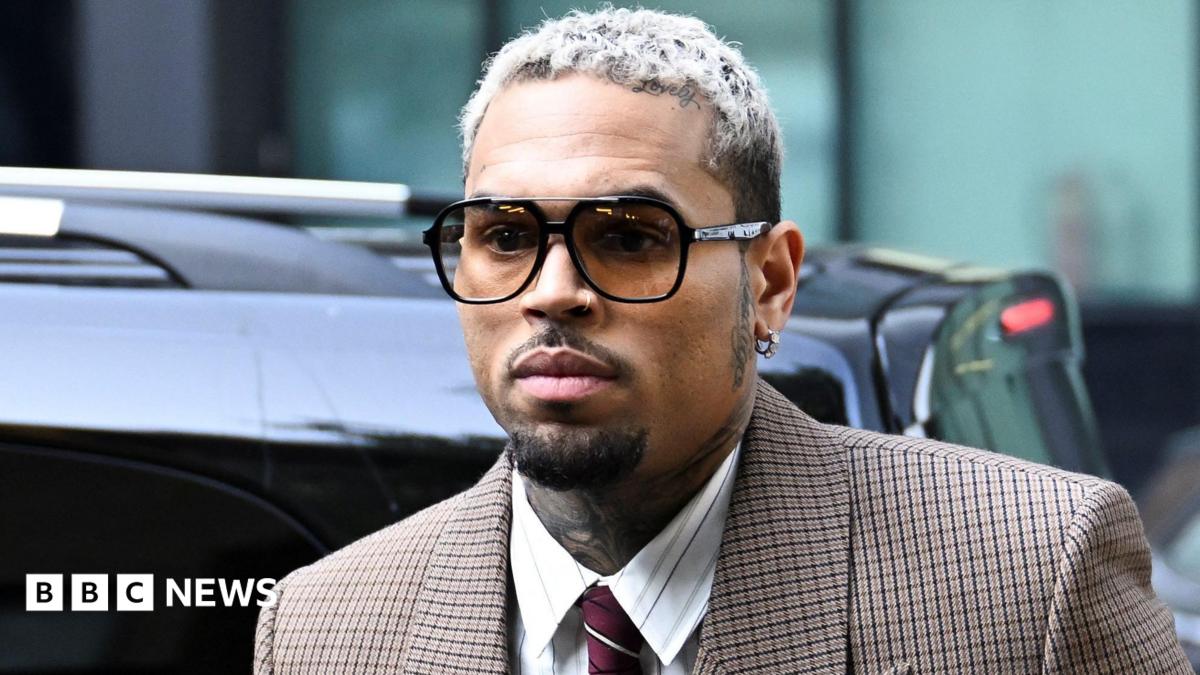
Chris Brown has been ordered to pay $13m to his former housekeeper, Maria Aliva, over a December 2020 dog attack that, according to BBC News, left her with scarring, vision loss and nerve damage. The civil judgment assigns the multi‑million‑dollar award to Aliva for injuries reported to have been sustained during the incident.
What the court ordered for Chris Brown
The court entered a civil award of $13m in favour of Maria Aliva, the BBC reported. The judgment was described in BBC News – Entertainment & Arts coverage as a monetary award reflecting the damages alleged by the claimant in the lawsuit arising from the December 2020 incident.
The BBC article states a judge set the amount as part of a civil ruling. Public reporting frames the sum as compensation tied to the harms Aliva reported; this piece follows those published facts and does not introduce claims beyond the BBC’s account.
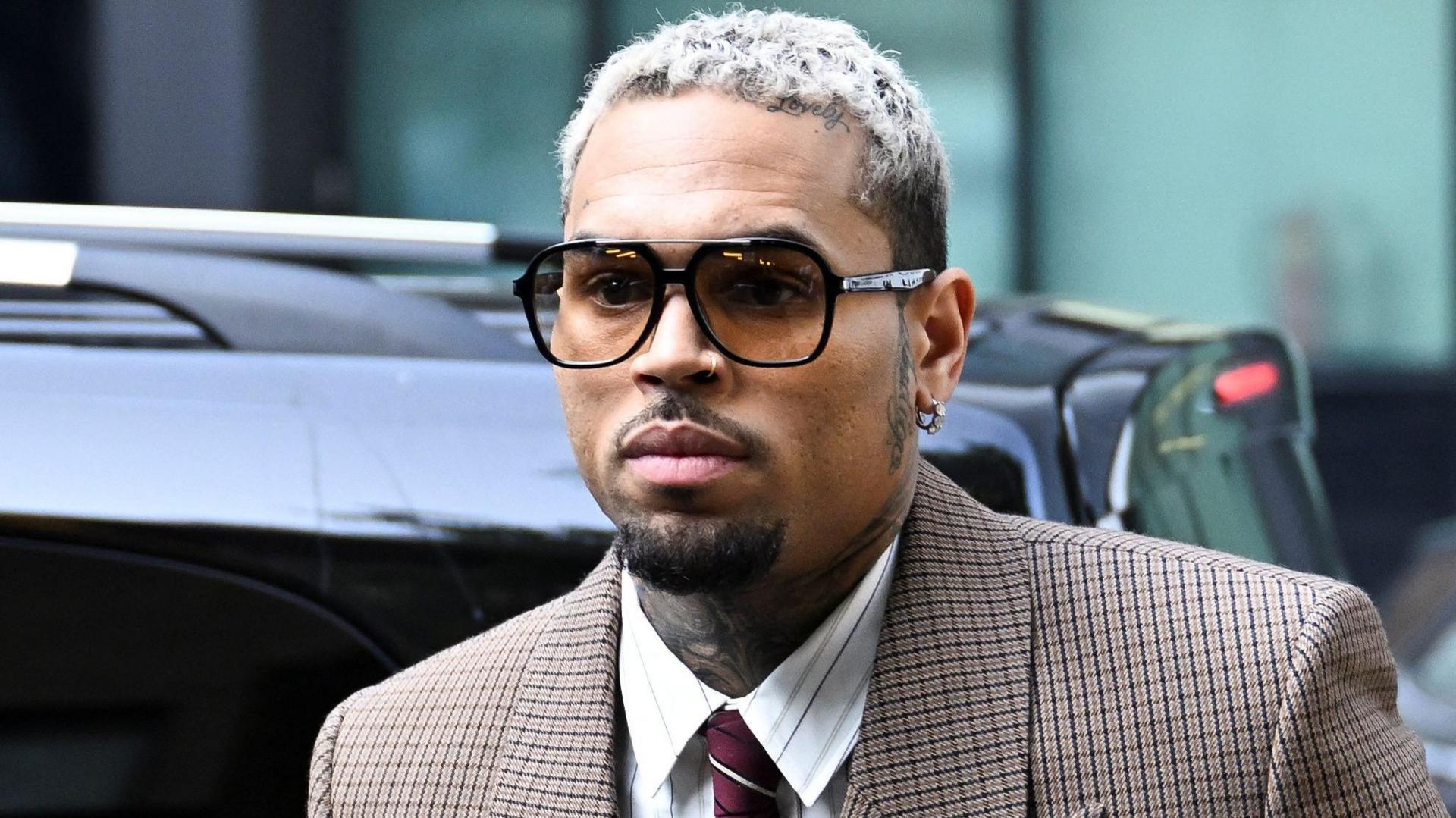
Victim injuries and timeline
The incident at the centre of the case occurred in December 2020, according to the BBC report. The outlet identifies the injured woman as Maria Aliva and says she was left with scarring, vision loss and nerve damage following the attack.
Those outcomes were described in the BBC story as part of Aliva’s evidence supporting her claim. This article reports those injuries as reported by BBC News; it does not purport to provide independent medical verification beyond what the source published.
Legal context and claims
The dispute was resolved, for now, as a civil matter with a monetary award. Civil judgments typically reflect a court’s assessment of compensatory damages — for medical costs, lost earnings, pain and suffering and other losses — based on the evidence presented at trial or in post‑trial proceedings. The BBC coverage frames the $13m award as the court’s determination of damages in this case.
Publicly available reporting does not always include the full text of judicial opinions or every filing in a case. Where BBC News cites particular filings or courtroom findings, this article follows that reporting and identifies the judgment and the principal factual elements reported: the date of the incident, the claimant’s identity and the injuries described.
Because this is a civil award, the decision does not in itself carry criminal penalties; it is an order that, if upheld, requires payment or other enforcement steps to satisfy the judgment. The BBC article did not report criminal charges connected to the civil claim in its coverage.
What comes next for the parties
After a civil judgment of this size, standard next steps can include motions to alter or reduce the award, appeals to a higher court, or enforcement actions if the awarded sum is not paid voluntarily. Either party could seek to appeal the decision, request a stay of enforcement while an appeal is heard, or file post‑judgment motions challenging aspects of the award or the calculation of damages.
Enforcement options commonly available under civil procedure rules include liens on assets, garnishment of wages or bank accounts, and other collection mechanisms depending on the defendant’s assets and the jurisdictions involved. The BBC report did not detail any immediate appeal or enforcement filings at the time of publication.
For the public and observers, the practical outcome will depend on whether an appeal is lodged, whether a stay is granted, and on the defendant’s ability or willingness to satisfy the judgment. If an appeal proceeds, higher courts can affirm, reverse or modify trial‑court awards; if the judgment is enforced, collection procedures will determine how any payment is realised.
Additional background and context
News coverage of this matter has focused on the December 2020 incident, the identity of the claimant, and the injuries reported. Civil litigation often unfolds across multiple filings and hearings; comprehensive court records would provide the most detailed account of claims made, testimony given and the court’s reasoning in setting a damages figure.
This article summarises the facts reported by BBC News – Entertainment & Arts: the identity of the claimant, the timing of the alleged incident, the injuries described in reporting, and the $13m civil award entered by the court.
What comes next: either party may seek an appeal or other post‑judgment relief. If no successful appeal or stay is obtained, enforcement mechanisms may be used to collect the judgment.
Source and attribution
This report is based on coverage by BBC News – Entertainment & Arts. See the original BBC story for full details: https://www.bbc.co.uk/news/articles/c0myggx4y23o
BBC News – Entertainment & Arts published its article on 1 July 2026.