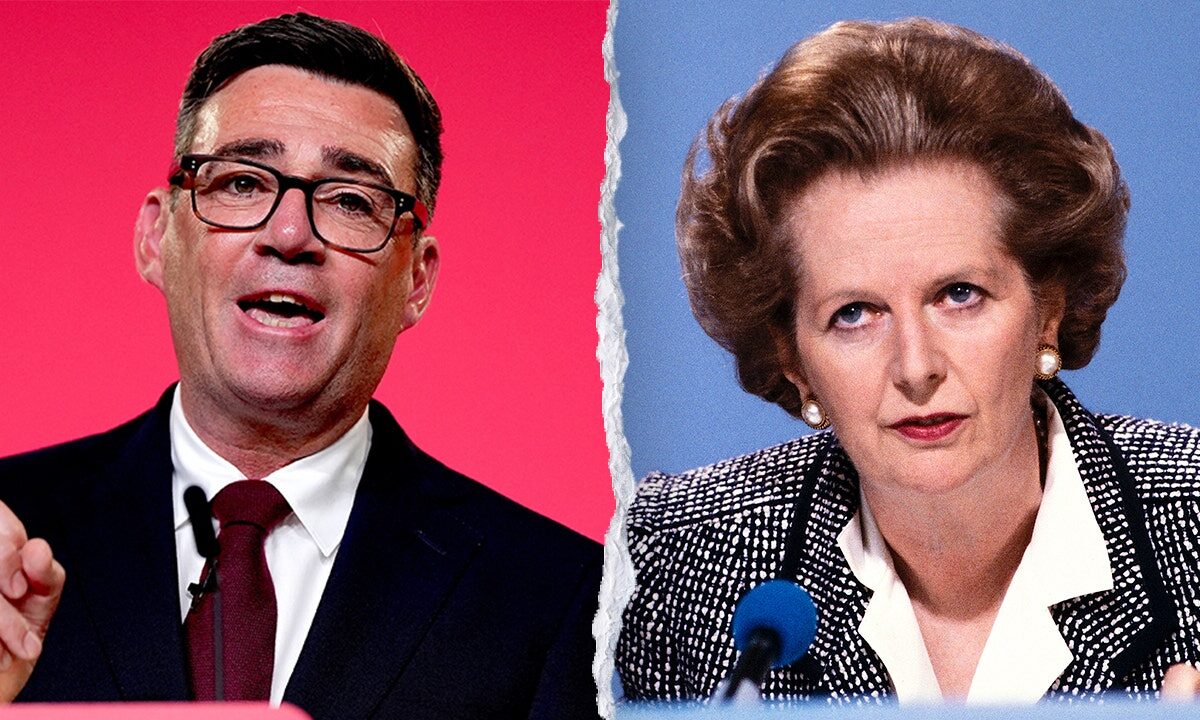
“The government I lead will confidently lay that path out starting next week,” Andy Burnham said in his first major address as Labour leader, opening with a direct rebuke of what he called “a series of wrong turns in the 1980s.” This article summarizes what Andy Burnham said, the policy directions he signalled for housing, water, energy and transport, how think tanks reacted, and the timeline for his swearing-in and early policy calendar.
What Andy Burnham said
Burnham framed his speech as a break from recent party caution and a broader rejection of the neoliberal settlement associated with the Thatcher era. He told the London audience that Britain had “surrendered control of the essentials — housing, water, energy, transport — and left people exposed to higher costs.” He repeatedly cast his approach as pragmatic: “I will be pro-business,” he said, while arguing for a stronger public role where markets have failed to secure affordability and service quality.
The speech mixed broad principles with few legislative details: Burnham promised immediate priorities would be set out next week, and described a governing agenda focused on public control of core services and greater devolution to city-regions. He positioned regional government reforms as grounded in his record as Greater Manchester mayor, saying local leaders should have more authority and funding to match local needs.
Policy directions on public services
Burnham identified housing as a central challenge and signalled an emphasis on expanding council and social housing supply rather than relying solely on market-led construction. He argued this was needed to ease pressures on renters and first-time buyers created by long-term shortfalls.
On utilities, Burnham criticised the outcomes of privatization-era models and said there should be more public control of water and energy to prevent price shocks for households. He framed public ownership as one tool among others to increase accountability and lower costs, but did not announce immediate nationalization plans in the speech.
Transport and regional government were presented as linked priorities: Burnham said devolved powers could allow transport networks to be shaped by local needs and that funding should follow that principle. He described his preferred mix as using public ownership, regulation and targeted investment to secure more reliable and affordable services.
Think tank and critic reactions
The speech prompted swift and ideologically split responses. The Adam Smith Institute was cited by commentators as defending Thatcher-era reforms for producing gains in inflation control and homeownership; Fox News coverage noted those arguments as part of the market-oriented response to Burnham’s address.
Alan Mendoza of the Henry Jackson Society was direct in his criticism, saying Burnham’s rhetoric lacked operational detail: “With Burnham, there is a lot of light and heat, but not much actual substance,” Mendoza told reporters, questioning how the proposals would be implemented.
“If he thinks Britain has been on the wrong track for the last 40 years, what is the right track? Is it socialism of a past kind? Is it some form of statism? What does he actually intend to do?”
Emma Schubart, described in coverage as a market-oriented critic, was blunt: “He comes across as pretty economically illiterate,” she said, arguing the speech sent mixed signals on taxation and incentives. Supporters pointed to Burnham’s explicit “pro-business” line as evidence he intends to combine state action with a role for private investment.
Fox News’ reporting gathered these reactions to show the immediate political debate rather than adjudicate the feasibility of specific measures; independent analysis and policy papers will be needed to assess potential costs, timelines and legal constraints if public ownership or expanded devolution are pursued.
What comes next and timeline
According to Fox News, Burnham will formally become prime minister on Monday and is expected to be sworn in by King Charles III. He has said his government will begin setting out policy plans starting next week, creating a compressed early calendar for announcements.
In practice, immediate items to watch over the first week include any statements on affordability measures, confirmation of key ministerial appointments, and the issuance of initial policy briefs or white papers. Fox News notes markets, businesses and international partners will closely parse those early signals for indications of fiscal stance and regulatory change.
Over the following month, observers expect the new administration to publish more detailed proposals or timelines for housing and utilities reforms; however, Burnham’s office has not yet released a concrete legislative timetable. Where specific milestones are reported, this article will update attribution to the original reporting sources.
Quick takeaways and what to watch
- Political shift: Burnham signalled a move away from the neoliberal consensus associated with the Thatcher era toward more state intervention in key services.
- Labour dynamics: The approach marks a departure from Keir Starmer’s cautious economic positioning and will test the party’s ability to unite its wings.
- Business and markets: Early statements on taxation, ownership and regulation will be watched for impacts on investment, market confidence and international relations, as noted by Fox News.
- Regional power: Expect concrete proposals on devolved authority and funding for city-regions and councils, drawing on Burnham’s mayoral experience.
Frequently asked questions
When will Andy Burnham become prime minister?
Fox News reports Burnham is expected to be sworn in as prime minister on Monday by King Charles III, with policy announcements to begin next week.
Will Burnham nationalize utilities?
Burnham called for more public control of housing, water, energy and transport but did not announce an immediate nationalization programme in his address. He described public ownership as one potential tool among a broader policy mix; further details and analyses will be required to determine any concrete nationalization plans.
How have think tanks reacted to his speech?
Responses split along ideological lines. Market-oriented groups and commentators defended some Thatcher-era reforms and warned of risks to investment, while critics on the right questioned the operational detail. Alan Mendoza of the Henry Jackson Society and other commentators were cited in Fox News coverage expressing scepticism; supporters emphasised Burnham’s stated pro-business intent as a balancing point.
This report is based on coverage by Fox News. Original source: Fox News – Incoming UK PM Andy Burnham rejects Thatcher-era policies, signals leftward shift.