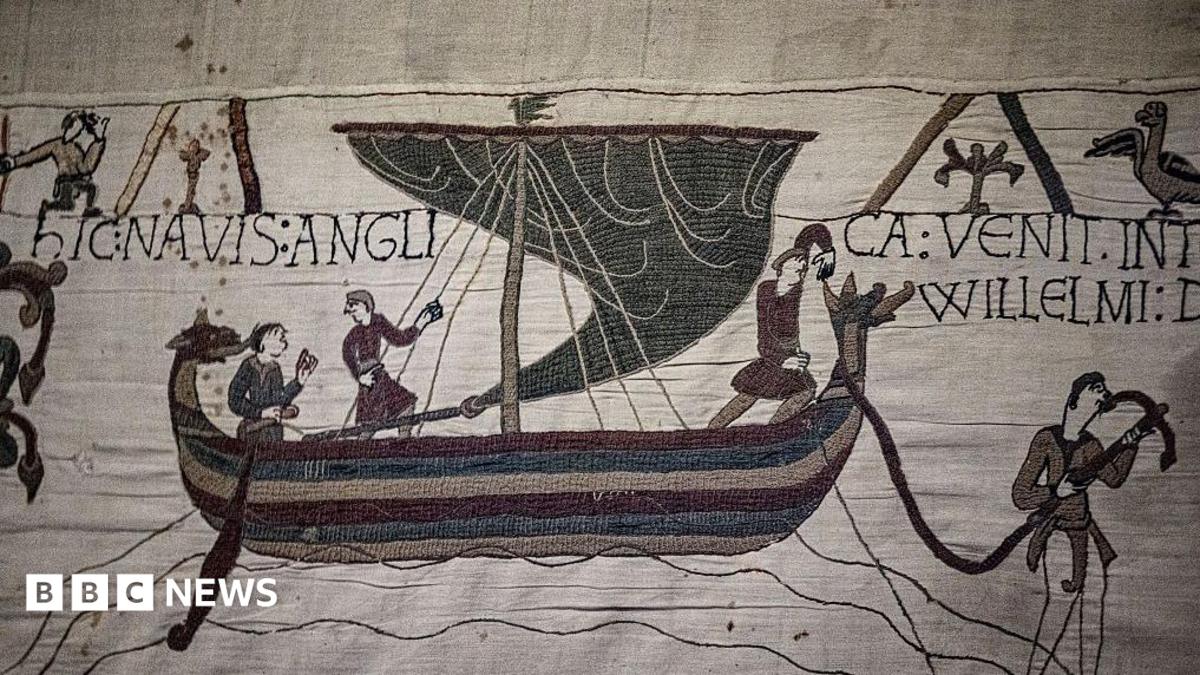
The Bayeux Tapestry was delivered to the British Museum in the dead of night, the BBC reports. The stitched historic artefact has been moved to the institution ahead of a planned public display in September 2024; visitors should check the British Museum’s announcements for ticketing, opening hours and any timed-entry arrangements.
Museum teams have begun preparatory condition checks and short-term conservation work to ensure the tapestry can be shown safely to the public. Curators say the transfer is part of careful logistical planning ahead of the autumn display.
Bayeux Tapestry
A near-70-metre embroidered cloth that narrates events around the Norman Conquest of 1066.
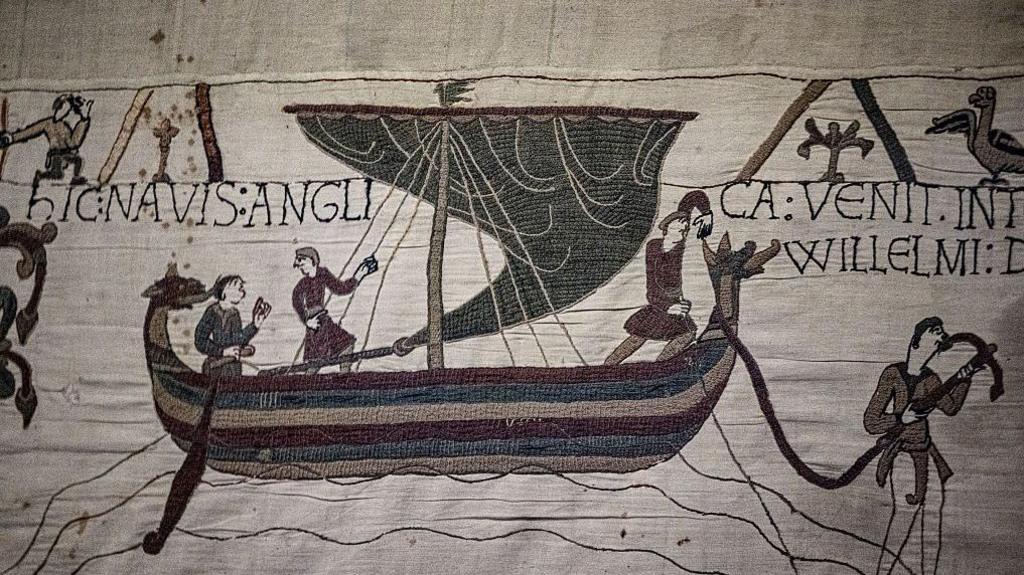
The Bayeux Tapestry is an embroidered narrative cloth, nearly 70 metres long, that combines imagery and Latin inscriptions to depict scenes connected to the events leading up to and including the Norman Conquest of England in 1066.
Stitched in wool on a linen ground, the tapestry shows figures, ships, camps, councils, and a series of clashes culminating in the Battle of Hastings. It is studied not only for its narrative value but also for what it reveals about medieval dress, ship design, military equipment and contemporary ideas of power.
Scholars debate aspects of its origin and commissioning, but the tapestry’s combination of text and image makes it a unique contemporary commentary on the events it portrays. Over centuries it has been displayed, conserved and studied across Europe, drawing sustained international interest.
What happened: overnight delivery to the British Museum
Reported details of the transfer and timing as described by BBC News.
According to BBC News reporting, the tapestry was moved to the British Museum “in the dead of night.” The report says specialist teams transported the fragile textile to the museum where staff will carry out final preparatory work ahead of the scheduled exhibition in September 2024.
Moving an artefact of this size and age requires detailed planning: custom crating, environmental controls, and specialist handling teams are standard practice to reduce vibration, light exposure and humidity changes during transit and on arrival.
Sources close to the operation told the BBC that the overnight timing was chosen to minimise public disruption and to coordinate security and conservation teams at the receiving institution.
When and where to see it
Practical visitor details for the planned display.
The British Museum is scheduled to put the tapestry on public display in September 2024. The museum will confirm the gallery location and publish ticketing information, including whether visitors need timed-entry passes or advance bookings.
Visitors planning a trip should consult the British Museum’s official website for the latest guidance on opening hours, accessibility arrangements and any conservation-driven viewing limitations such as reduced lighting or restricted close-up access.
Major loans and displays of fragile textiles commonly include protective measures: dim lighting, controlled humidity and barriers to keep viewers at a safe distance while allowing clear sightlines to the work.
Why the move matters for heritage and visitors
The transfer affects public access, scholarship and conservation priorities.
Bringing the tapestry to a national museum setting broadens access for a diverse audience, enabling more people to view a landmark medieval artefact in person. Exhibitions of this kind also allow museums to present new interpretive material, comparative displays and conservation information that can deepen public understanding.
For researchers, concentrated display periods at major institutions create opportunities for study, conservation assessments and interdisciplinary collaboration. For the museum sector, the transfer underscores the balance required between facilitating public viewing and protecting delicate historical textiles from environmental impacts.
The British Museum’s curatorial and conservation teams will oversee the display conditions to preserve the stitching, dyes and linen ground while enabling meaningful engagement for visitors.
Source and credits
This report is based on coverage by BBC News and the British Museum’s public statements about the upcoming exhibition. The lead reporting that the tapestry was delivered to the British Museum overnight is drawn from BBC News’ article on the transfer.
Source: BBC News and the British Museum.
Full BBC coverage: BBC News – Bayeux Tapestry delivered to British Museum in dead of night.