The Biden debate fallout remains central to how many Democratic observers explain intra-party divisions two years after the Atlanta debate. In a Fox News column, Doug Schoen frames Biden’s exit from the Atlanta stage and his later withdrawal from the race as a hinge moment that intensified scrutiny of party leadership and messaging.
This piece traces immediate reactions on debate night, the longer-term effects Schoen and other analysts describe, and how those accounts are being used to explain recent primary outcomes and discussions about 2026 strategy.
What happened in the Atlanta debate
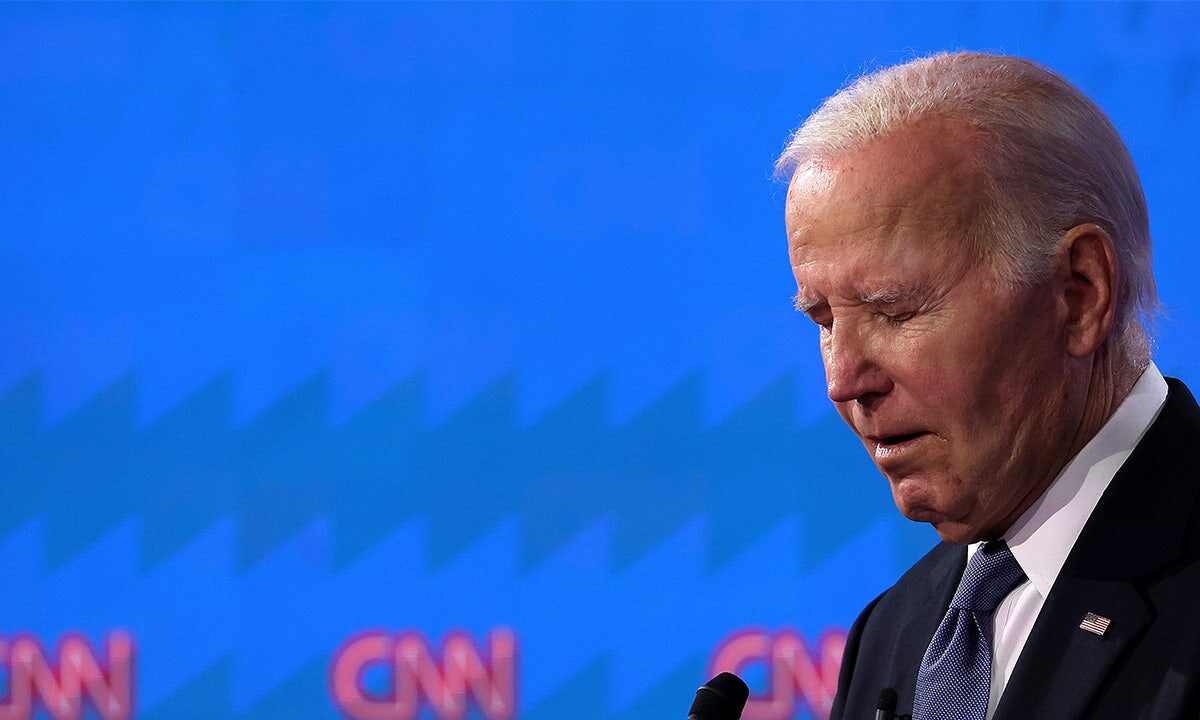
Schoen recounts that Joe Biden left the Atlanta debate stage amid visible concern among some attendees and commentators, and he cites a passage from Jill Biden’s memoir in which she wrote that she feared her husband might be having a stroke. Schoen presents those elements as important in how the debate was perceived by voters and party insiders.
Multiple commentators and participants described an immediate cycle of public defenses, private unease and intense media attention. Schoen treats the debate night as one of several proximate events that accelerated questions about Biden’s fitness for the campaign, rather than as the single definitive cause of later outcomes.
How the Biden debate fallout reshaped the Democratic Party
According to Schoen, the Biden debate fallout has haunted Democratic politics and helped sharpen factions inside the party. He argues that, in the wake of Atlanta, some progressive insurgents gained momentum while many moderates faced harder primary fights.
Schoen and the analysts he cites present this as a pattern of developments—debate optics, subsequent messaging choices, high-profile critiques and contested candidate recruitment—that together contributed to a perception of disarray. Those observers do not present a uniform causal chain, and other commentators emphasize competing explanations tied to policy, local dynamics and national trends.
Local races and the rise of insurgents
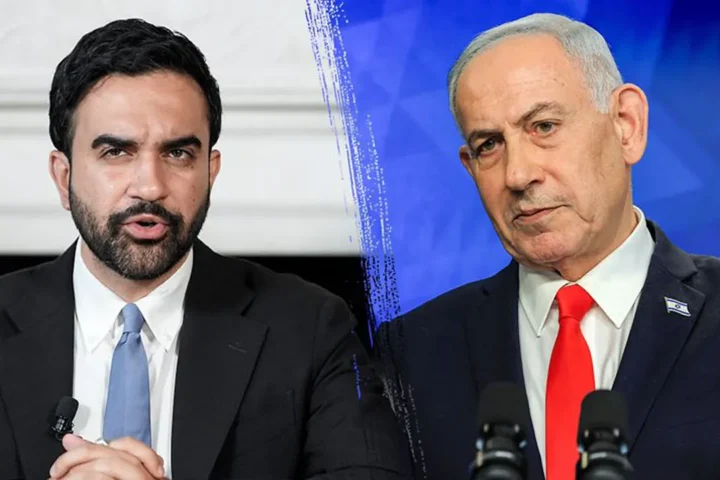
Schoen points to a series of insurgent victories in New York City primaries and other local contests as concrete examples of the shift he describes. He notes that some insurgent campaigns received endorsements or backing from progressive organizers such as Zohran Mamdani; Schoen treats those contests as evidence of growing primary-level influence for non-establishment candidates.
Across states referenced in the column—Michigan, Maine and Texas—Schoen describes cases where candidates outside the party’s establishment won or performed strongly in primaries. He and other observers say these results reflect local voter impatience with traditional leaders in some districts, while elsewhere moderates remain competitive.
A local rally in Brooklyn has been cited by observers as a visible example of insurgent organizing and turnout in city contests.
Media and public reaction since the debate
Schoen highlights persistent media frames that kept the debate night in public view. He cites headlines summarized as “The Biden Verdict is in. It Isn’t Pretty,” and notes how such lines were used by critics to signal a broader narrative about competence and electability.
The column also references coverage in outlets such as USA Today about provocative social posts by Hunter Biden on X, which Schoen says helped sustain attention on controversies surrounding the family. Schoen uses those examples to show how recurring media moments reinforced voter impressions formed around the debate.
What this means for 2026 and party strategy
Schoen links the debate fallout to ongoing questions about party unity and electoral readiness for 2026. He points to a DNC audit and continuing internal disputes as evidence that the party faces choices about whether to prioritize a unified general-election message or to accommodate a stronger progressive presence in primaries.
The column includes a citation to a CNBC interview with Scott Bessent that is used to discuss how economic statistics and messaging are debated inside the party; Schoen frames such exchanges as part of a broader struggle over narrative control after the 2024 defeat. Observers quoted in the piece caution that outcomes in 2026 will depend on candidate selection, resource allocation and how the party manages competing factions.
Practical choices for Democratic strategists, as framed in Schoen’s analysis, include candidate recruitment that balances primary energy with general-election appeal and centralized message discipline to reduce openings opponents can exploit. These are presented as strategic options rather than guaranteed solutions.
Background and continuing debates
Schoen situates the Atlanta debate within a wider catalogue of controversies—border policy, the Afghanistan withdrawal, and cultural disputes—that critics say amplified public dissatisfaction. He and other observers treat these policy and communications challenges as compounding factors rather than singular explanations.
At the same time, progressive organizers and some local voters argue insurgent wins represent democratic renewal and a corrective to entrenched leadership. Schoen’s column acknowledges these counterarguments and frames the balance between them as central to ongoing party debates.
FAQ
Did the Atlanta debate cause Biden’s decline?
Reporting cited in this analysis treats the Atlanta debate as a significant accelerant for scrutiny of President Biden, but most analysts described in Schoen’s column say it was one of several factors—including messaging choices, policy disputes and family controversies—that influenced later developments.
Are progressives now dominant in the Democratic Party?
Schoen argues progressives have increased influence in many primaries and local contests. That influence varies by state and district; in some places insurgents have won key races, while in others moderates continue to command strong support.
Could the debate fallout boost Republicans in 2026?
Schoen and other analysts suggest lingering intra-party divisions create vulnerabilities Republicans could exploit, but they emphasize that 2026 outcomes will hinge on candidate choices, messaging, economic conditions and campaign organization.
Source: Reporting and analysis drawn from Doug Schoen’s column on Fox News: DOUG SCHOEN: Two years after Biden’s disastrous debate, Dems still dealing with fallout.
What this analysis underscores for 2026: party leaders face a choice between consolidating a unified general-election message and accommodating energetic primary challengers—an unresolved tension that will shape strategy in the coming cycle.