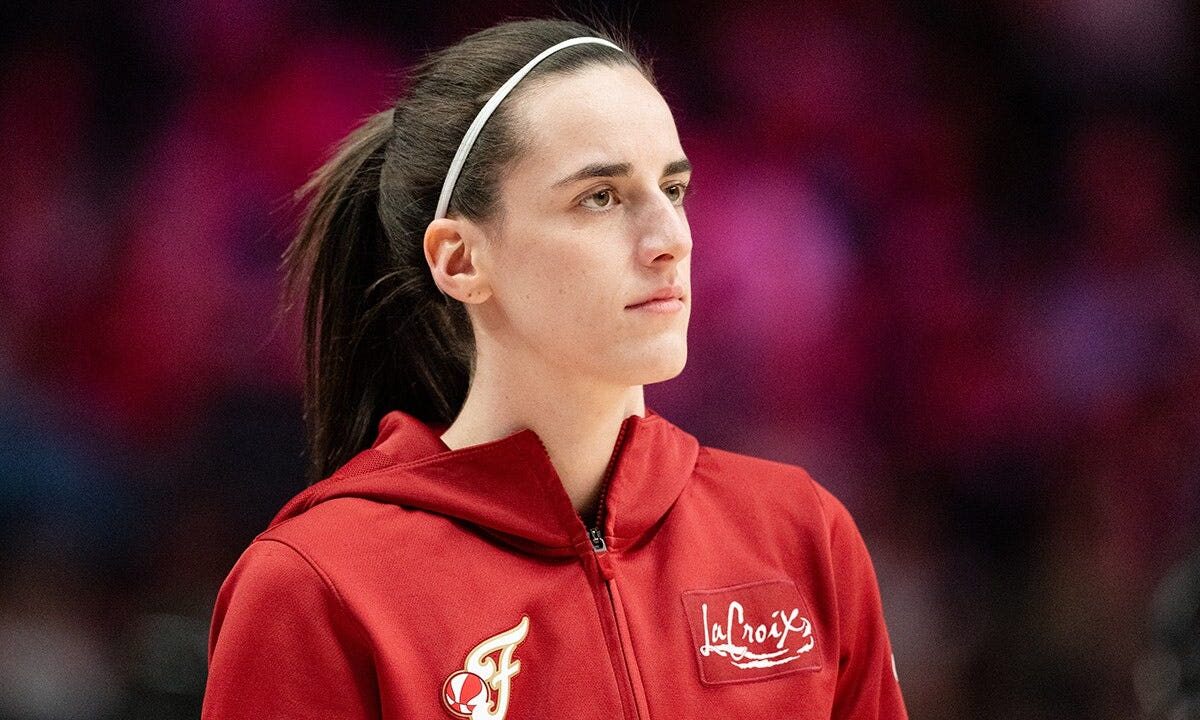
Members of Congress have asked WNBA Commissioner Kathy Engelbert for a formal accounting after saying Caitlin Clark has been subject to “repeated acts of unnecessary physical hostility and violence.”
Caitlin Clark: what the letter says
The bicameral letter sent to Commissioner Kathy Engelbert frames the situation as a leaguewide concern about safety and consistent enforcement. It includes the line that the league’s rising star is “the face of your league” and that she has been subject to “repeated acts of unnecessary physical hostility and violence,” language aimed at pressing the WNBA to explain steps it will take to protect players and uphold professional standards.
Lawmakers asked Engelbert to provide details on how disciplinary decisions are made, how rules are enforced in high-profile games, and what metrics the league uses to determine suspensions, fines and other corrective actions. The letter positions the issue as both a safety matter and a reputational one: elected officials said the WNBA must show that it protects competitors and models sportsmanship for young fans.
Why lawmakers intervened
Rep. Marlin Stutzman (R-Indiana) is among the signers who described a recent incident involving Alyssa Thomas as a tipping point. In remarks attributed to OutKick and quoted by Fox News, Stutzman characterized the contact in that game as serious and said a one-game suspension was insufficient in his view. Those comments are presented here as the congressman’s characterization and as reported by the press.
Reporting from Fox News and OutKick detailed the sequence that prompted public concern and helped drive the letter. This article treats descriptions of specific acts, such as the claim that Thomas struck Clark, as reported allegations attributed to the named sources and individuals rather than independently verified facts.
Possible federal investigations and league options
The letter explicitly names federal agencies lawmakers said could be involved if evidence shows discriminatory or retaliatory conduct creating a hostile work environment. The Department of Justice, the Department of Labor and the Equal Employment Opportunity Commission were cited as possible avenues for inquiry depending on what evidence emerges.
It is important to note the letter does not say any of those agencies have opened probes. Lawmakers suggested they would support appropriate investigations if facts warrant them; any federal action would require a formal complaint, investigation and findings under each agency’s processes. In short, federal review is presented as a potential next step — not as a confirmed or ongoing probe.
Independently of federal options, the WNBA has a range of internal responses it could pursue. Those include reviewing officiating guidance, clarifying and publicizing disciplinary criteria, reevaluating training for players and officials on dangerous play, and ensuring transparency when suspensions or fines are issued. The congressional letter asks Engelbert to outline which of these or other steps the league will take.
Background on Caitlin Clark
Caitlin Clark rose to national prominence during a standout college career and entered the WNBA with high visibility. Her profile has drawn major media attention and large crowds, and lawmakers who signed the letter framed their inquiry partly around the idea that the league must protect marquee players who inspire young athletes.
That background helps explain the political attention: when a high-profile athlete appears to be targeted or repeatedly subjected to hard contact, it draws broader scrutiny about how the sport enforces its rules and protects competitors at all levels.
What this means for Caitlin Clark and the WNBA
For Clark personally, the congressional spotlight raises concerns about on-court safety and the climate in which top players compete. Lawmakers argued that inconsistent discipline or unclear enforcement harms the league’s credibility and could discourage participation among young women watching the sport.
Observers and advocates say this could push the WNBA toward clearer, firmer policies on dangerous play and more transparent explanations of discipline. Opponents of heavy-handed enforcement caution that refereeing and adjudication have nuances; supporters of stricter standards argue that protecting players and modeling sportsmanship should be paramount.
Next steps and how to follow this story
The immediate expectation is a written reply from Commissioner Kathy Engelbert that addresses the points raised in the congressional letter. Lawmakers signaled they would assess Engelbert’s response and that further action could follow if the response is deemed insufficient.
Any referral to or investigation by the Department of Justice, Department of Labor or the EEOC would proceed on the agencies’ timetables and legal standards. Public statements from teams, players or the WNBA could change the conversation quickly; as of the latest reporting there has not been a detailed, league-wide corrective plan made public.
This article attributes specific descriptions and claims about contact in games to the sources that reported them. Allegations discussed here — including the accounts attributed to Rep. Stutzman and coverage in Fox News and OutKick — are presented as reported allegations or opinions, not independently verified facts.
Source attribution: Fox News — Congressman explains why he signed letter to WNBA demanding answers on Caitlin Clark’s treatment. Additional reporting referenced from OutKick — OutKick.
Reporter’s note: OutKick’s Amber Harding is credited in original reporting. This story will be updated as official responses from Commissioner Engelbert, the WNBA, teams or players become available.