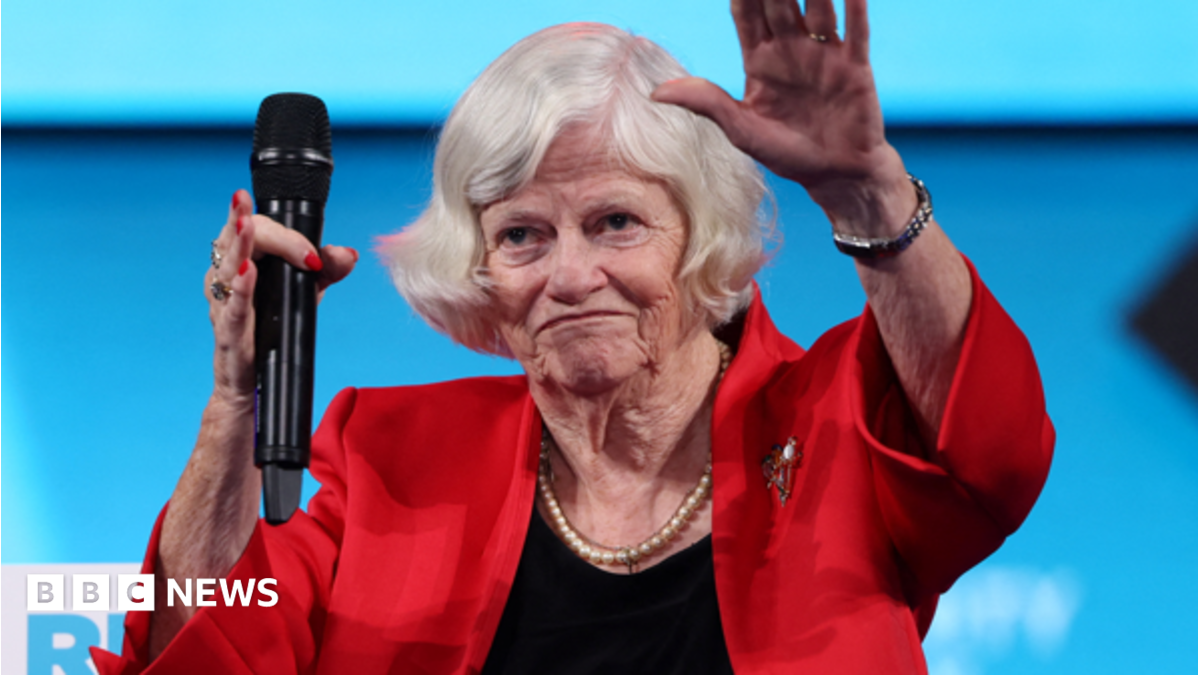
Chris Mason described Ann Widdecombe as pugnacious, charismatic and — crucially in Westminster — likeable.
“She always answered the question,” Mason told the BBC, placing Widdecombe at the centre of his assessment of how she engaged with colleagues, the media and the public.
How Westminster saw Widdecombe
Mason said that plenty in Westminster who knew Widdecombe, whether they agreed with her or not, found her immensely likeable.
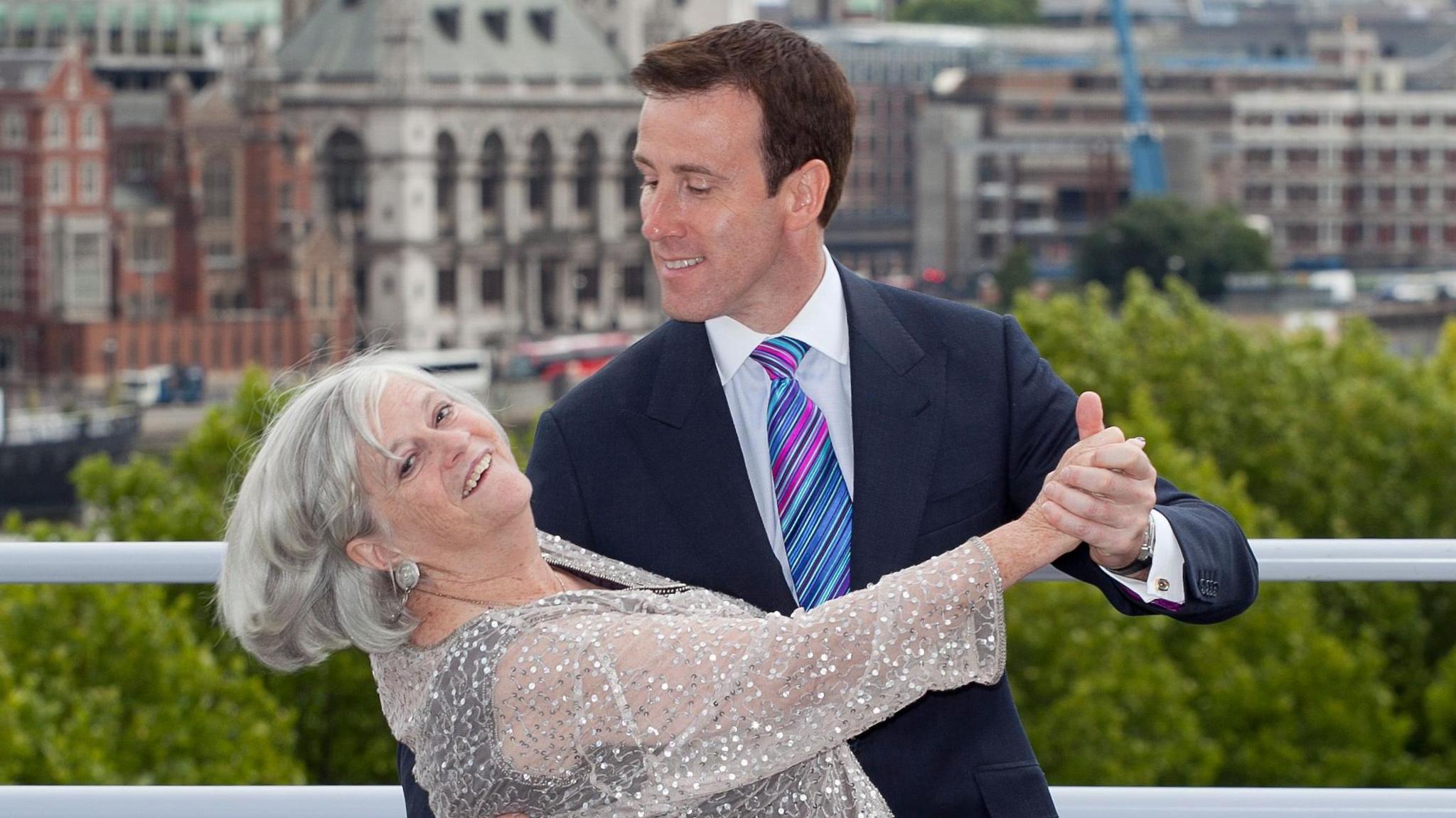
“There were colleagues on both sides who would disagree with almost everything she said, but who still liked her company,” Mason said, describing a reach that crossed usual party lines.
BBC reporting echoed that view, noting MPs and peers remembered her forceful interventions and an approachable, blunt manner that made her presence felt in committees and on television.
Mason on style and answers
Mason emphasised one simple habit that set Widdecombe apart: she would confront a question directly rather than deflecting or offering platitudes.
“When you asked her a question, you got an answer,” Mason said, adding that this made interviews and exchanges sharper and often more revealing.
That habit of directness, he argued, could unsettle opponents and build trust with audiences who were tired of evasiveness.
Career moments that shaped her voice
Mason pointed to televised exchanges and committee appearances as the kinds of moments that crystallised Widdecombe’s reputation for being pugnacious and charismatic.
“There were moments on live television and in the Commons where she refused to be side-tracked,” Mason said, noting how those short, sharp exchanges helped define her public persona.
BBC coverage highlighted occasions when her plain-speaking cut through political spin, reinforcing an image of an MP who preferred blunt candour to cautious language.
A brief anecdote from the chamber
Mason recalled one short anecdote that illustrated her technique: during a televised exchange where officials tried to obfuscate, Widdecombe interrupted and steered the conversation back to a clear point.
“She snapped the exchange into focus with one sentence,” Mason said, recalling how the room quietened and the topic became suddenly straightforward.
The anecdote, Mason added, lingered in colleagues’ minds because it showed how readiness to cut through confusion could turn the dynamic of a debate.
Why her persona mattered
Mason argued that in Westminster, likeable plain speaking can translate into influence and make arguments harder to dismiss on personality grounds alone.
“Being likeable in that environment helps you carry a harder line without alienating people,” he said, explaining why her combination of bluntness and warmth worked politically.
BBC reporting noted the wider public also responded to that clarity: viewers often trusted a speaker who seemed candid, even if they disagreed with the politics.
Reactions across the chamber
Mason said cross-party reactions tended to focus less on ideological detail and more on the combination of conviction and approachability she displayed.
“You’d hear Conservatives and opposition MPs alike admit she was difficult to dislike,” Mason said, reflecting on gestures of respect that followed some of her sharpest interventions.
BBC accounts quoted a range of Westminster figures who described her as formidable on the floor but convivial off it, a mix that helps explain the warmth of many tributes.
Timeline: Widdecombe’s public moments (brief)
1990s–2000s: Widdecombe became known for forthright Commons speeches and regular television appearances, moments Mason says helped sharpen her public voice.
Committee appearances: Mason highlighted televised committee exchanges where she pressed ministers for clear answers.
Legacy: Colleagues remember a politician whose plain speaking and unmistakable style made her a recognisable figure beyond party labels.
What this meant for Westminster and the public
Mason suggested that politicians who can be blunt yet personable change how disputes are framed, making policy arguments accessible and harder to ignore.
“Her voice mattered because it was unmistakable and because people felt they knew where she stood,” Mason said, summarising why her manner carried weight.
BBC coverage placed those judgements within a wider set of tributes and recollections from parliamentary life, underscoring the consistent theme of respect across party lines.
Source attribution
Source: BBC News – Top Stories. Published: 2026-07-10T21:27:28.000Z.
Reporting and quotes in this piece are attributed to Chris Mason and BBC News; direct recollections quoted here are from Mason’s account to the BBC.