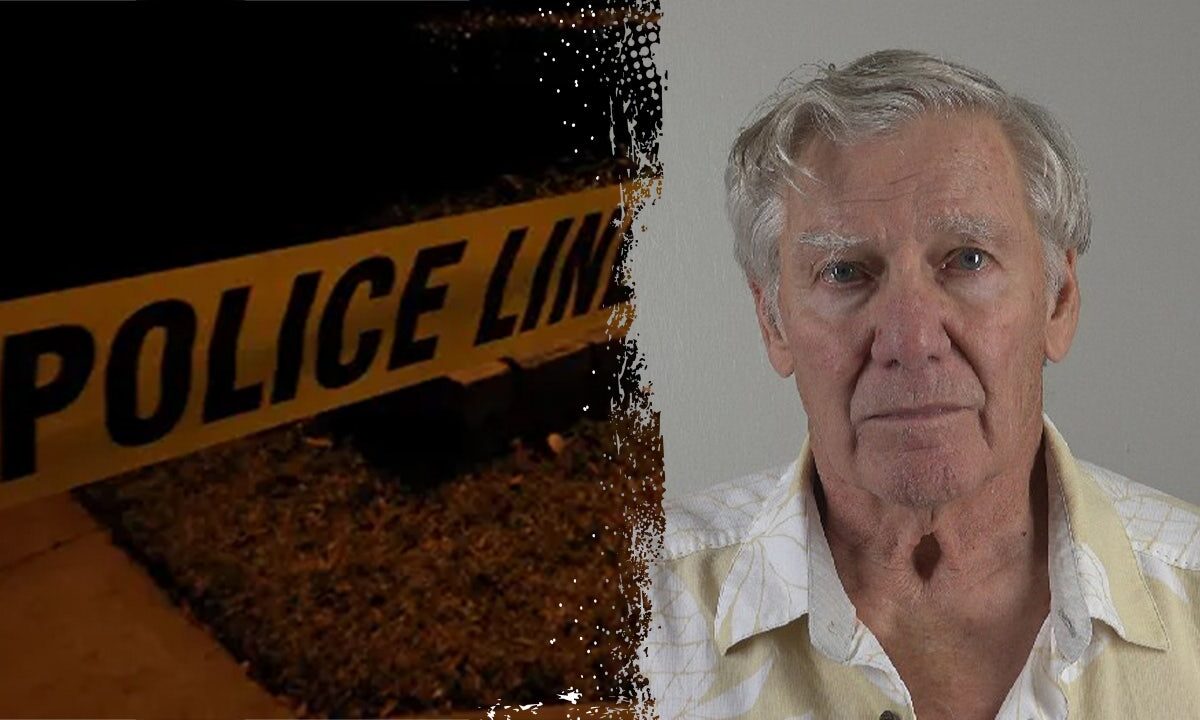
A covert DNA sample taken from discarded soda bottles in Colorado has produced a preliminary forensic link to a 1981 Grapevine murder, authorities say. According to an arrest warrant affidavit and local reporting, swabs from the discarded bottles produced a DNA profile that investigators say “could not exclude” a 79-year-old Colorado man as a contributor to male blood found on the victim’s nightgown — a development that led to a Tarrant County grand jury indictment this month.
The renewed attention to a cold case that had remained unsolved for more than four decades grew from a combination of preserved biological evidence from the 1981 scene, modern forensic testing and covert sampling of discarded items near the suspect’s Colorado residence, the affidavit and media reports say.
Arrest and indictment
Grapevine police and the arrest warrant affidavit state that Larry Dean Brown was arrested in Colorado on June 8. A Tarrant County grand jury returned an indictment on June 29, according to the affidavit and reporting by the Fort Worth Star-Telegram and Fox News.
After the indictment, Brown was extradited to North Texas and booked into the Tarrant County Jail, with booking records and court notices reflecting the transfer and initial custody status, the affidavit and local coverage said. The affidavit summarizes the investigative steps and forensic findings that led prosecutors to pursue the indictment in this long-dormant case.
How the covert DNA sample connected him
According to the arrest warrant affidavit, investigators conducted covert sampling by collecting two discarded soda bottles that had been placed with curbside trash outside the suspect’s Colorado home. Swabs from those bottles were sent to the University of North Texas laboratory for DNA testing, the affidavit states.
The UND lab compared DNA recovered from the bottles to a DNA profile developed years earlier from biological material preserved from the 1981 crime scene. On May 28, lab results indicated the profile recovered from one bottle “could not exclude” Brown as a contributor to the male DNA found on the victim’s nightgown, the affidavit says.
That preliminary phrasing — “could not exclude” — is a limited forensic statement. It means the recovered profile is consistent with the suspect’s DNA but does not, on its own, prove identity beyond a reasonable doubt. The affidavit and investigators note that confirmatory testing and further analysis are pending to strengthen or clarify the forensic link before trial.
The preserved biological evidence underwent earlier testing in 2010, producing a DNA profile that was entered into the national Combined DNA Index System (CODIS) but did not yield a match at that time. Subsequent advances in laboratory methods and the ability to compare older evidence with newly collected samples underlie how the covert DNA sample produced a new lead in this cold case.
The 1981 death of Beverly “Casey” Bruneau
Beverly “Casey” Bruneau, 35, a Braniff Airlines flight attendant, was found dead in her Grapevine apartment on Feb. 13, 1981, the arrest warrant affidavit reports. The Tarrant County medical examiner determined the cause of death was strangulation; investigators described an electrical cord found wrapped around Bruneau’s neck and blood on her face and a bloodstained nightgown recovered from the scene.
Those items and other preserved evidence were later submitted for DNA testing as forensic technology improved, the affidavit and reporting indicate.
Related evidence and allegations
The affidavit and Fort Worth Star-Telegram reporting say investigators reviewed additional contextual details from the original inquiry while reopening the case. In November 1980, fires badly damaged a Dallas property jointly owned by Brown’s wife and Bruneau; investigators believed at least one of those fires was arson, the affidavit states.
Court documents and media coverage also note that Brown had been laid off from his job as a Braniff pilot and flight engineer and reportedly held a partial interest in a construction company. The affidavit and reporting say investigators examined repair estimates and insurance paperwork related to the damaged property and considered whether Brown pressured Bruneau over insurance matters. Those assertions are described in the affidavit and news reports as allegations; they have not been proven in court.
The affidavit also notes physical items and observations from the original 1981 investigation — including an injury beneath Brown’s right thumbnail described by detectives when they spoke with him in 1981 — which investigators later revisited as part of their reexamination of preserved evidence.
Why it matters
This case highlights how modern forensic DNA testing and covert sampling methods can revive long-cold investigations. Advances in laboratory techniques, improved DNA databases and targeted comparisons between newly collected samples and decades-old evidence have produced investigative leads in cases that once seemed stalled.
Yet forensic language matters: a preliminary result that “could not exclude” an individual is not the same as a definitive match. Prosecutors must still corroborate laboratory findings with additional testing, chain-of-custody proof and other evidence to establish a case suitable for trial. The arrest warrant affidavit and investigators emphasize that confirmatory analyses remain pending.
What comes next
Grapevine police said confirmatory DNA analysis is outstanding. If further testing supports the preliminary result, prosecutors are expected to present forensic findings alongside other investigative evidence in Tarrant County courts. The indictment initiates formal criminal proceedings; the courts will determine pretrial scheduling, admissibility of evidence and whether the case proceeds to trial.
Members of the public seeking official records can consult Tarrant County court dockets and booking logs for updates on filings and custody status, and follow statements from Grapevine police and the Tarrant County prosecutor’s office for authoritative notices as the case moves forward.
Source attribution
This article is based on an arrest warrant affidavit and reporting by the Fort Worth Star-Telegram, and on a Fox News summary of those materials. For the affidavit and original reporting, see the Fox News article: Fox News — Covert DNA sample from Colorado man’s trash revives 44-year-old Texas murder case, and the Fort Worth Star-Telegram report: Fort Worth Star-Telegram. Court docket entries and Tarrant County booking records also reflect the indictment and transfer to local custody, as noted in the affidavit and local coverage.
FAQ
What happened with the covert DNA sample?
Investigators collected two discarded soda bottles from trash placed outside the suspect’s Colorado home and sent swabs to the University of North Texas laboratory, the arrest warrant affidavit says. One bottle produced a DNA profile that the lab reported could not exclude the suspect as a contributor to male blood found on the victim’s nightgown.
Why does the covert DNA sample matter?
The sample created a new, testable link between preserved 1981 evidence and a living suspect. Modern DNA methods can reveal associations that were previously undetectable, enabling cold-case reexaminations. Still, preliminary forensic findings require confirmatory testing and supporting evidence before they can be relied on at trial.
What happens next?
Confirmatory DNA testing is pending. If additional analysis corroborates the preliminary finding, prosecutors will proceed through Tarrant County’s legal process; court filings and public records will reflect the next steps in pretrial scheduling and potential hearings.