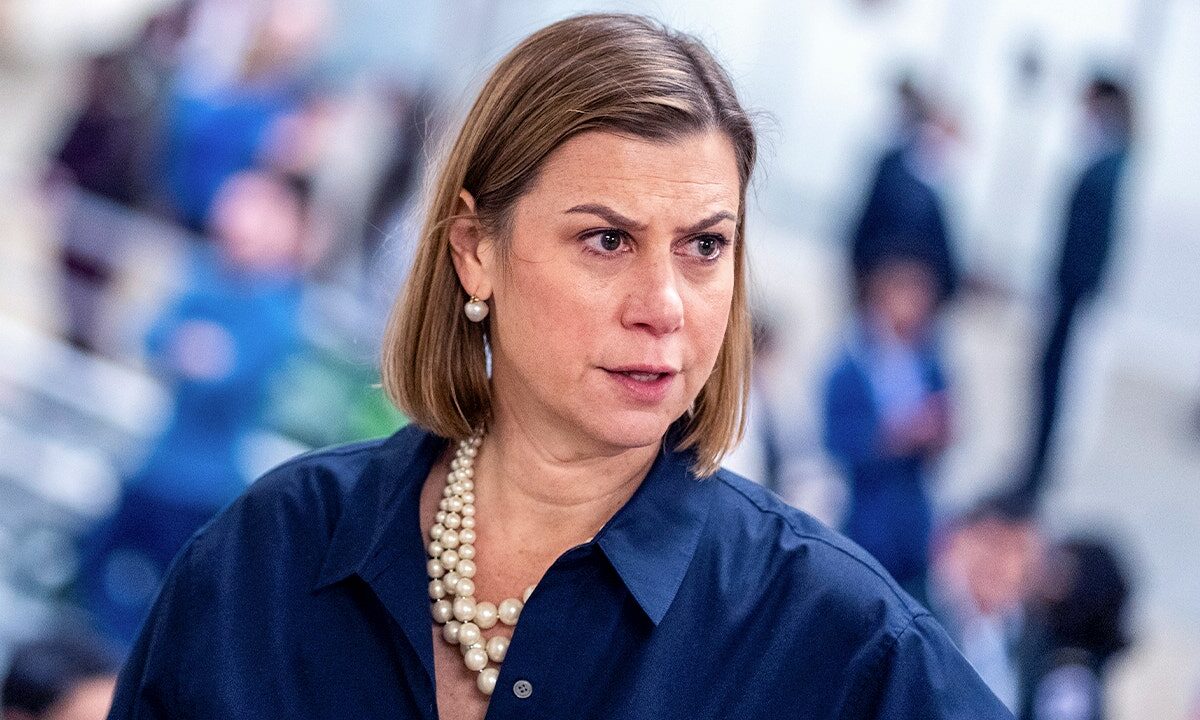
“That’s why I believe we need significant new leadership. The old models are no longer working,” Sen. Elissa Slotkin said on SiriusXM’s Straight Shooter, laying out a case that she and other moderates see as essential to reshaping the party’s 2026 strategy.
Slotkin’s comments came in a wide-ranging interview with host Stephen A. Smith about how Democrats should respond to the 2024 defeats. She framed her argument as strategic: not a personal attack on colleagues but a push for clearer priorities and leadership that can deliver a crisp, pocketbook-centered message to voters ahead of the midterms.
Elissa Slotkin’s comments on SiriusXM
Appearing on SiriusXM Straight Shooter, Slotkin was explicit. She said Democrats have struggled to articulate a single, digestible narrative since the 2024 cycle and urged new leaders in the House and Senate to help tighten focus. “We just need to show people that what we care about is an economy where if you work hard and play by the rules, you get ahead and your kids do better,” she told Smith, underscoring economy and education as the twin priorities she would press.
Slotkin emphasized that this is about winning elections in 2026 as much as it is about governing: sharper messaging, clearer priorities and leadership willing to center the party on issues that resonate with swing and working-class voters. Her intervention adds a prominent voice to an internal debate about whether Democrats should reorient toward broad affordability themes or keep a wider progressive agenda in play.
Why Slotkin cites 2024 losses and messaging
Slotkin described the 2024 results as decisive, arguing Democrats were “soundly defeated” and that the party’s diffuse agenda left voters uncertain about the party’s primary concerns. She contrasted that with former President Trump’s concentrated messaging on affordability: “I’m going to make your life more affordable. I’m going to put more money in your pocket.” For Slotkin, that clarity translated into political advantage and is a lesson Democrats must heed.
Her critique centers on political tradeoffs: a long list of priorities can energize different constituencies but can also blur a unifying message for persuadable voters. By naming jobs, wages and K–12 education as priority issues, Slotkin argues Democrats can build a simpler narrative that addresses everyday concerns and gives candidates a consistent playbook in contested districts.
Signs of intra-party pressure and recent primaries
Slotkin’s remarks arrive amid visible tensions inside the Democratic coalition. Progressive and democratic socialist candidates posted notable wins in recent New York primaries, signaling a continued appetite in some districts for more activist-oriented platforms. Local and national reporting has documented those outcomes and the debates they have sparked about direction and electability.
Separately, The Wall Street Journal reported that a group of senators had privately explored replacing Senate Minority Leader Chuck Schumer after fallout from last year’s shutdown fight, reflecting elite-level anxiety about leadership. At the DNC, Chair Ken Martin — who took the post in February 2025 — has sought to calm tensions and emphasize unity while also preparing the party’s apparatus for 2026 strategy discussions.
What comes next for Democratic leadership
Leadership changes in Congress follow formal internal procedures: Senate Democrats select their leader in a closed caucus vote after general elections, and House Democrats likewise use internal caucus mechanisms to elect or unseat leaders. Slotkin herself stopped short of calling for an immediate removal, instead arguing for a broader conversation about leadership and focus.
Practically, a shift could happen through formal votes, reconfigured committee priorities, or a refocus from the DNC on messaging and candidate recruitment. Ken Martin’s DNC role positions him to help broker a path that both addresses concerns about clarity and maintains the coalition needed to win competitive seats.
What this could mean for voters and 2026 strategy
If Slotkin and like-minded lawmakers influence the party’s direction, voters are likely to see 2026 campaigns that foreground pocketbook issues and concrete education policies. That would change how candidates are vetted and the themes emphasized in swing districts: tradeoffs would include fewer marquee progressive proposals in public-facing messaging in favor of tangible affordability and schooling plans.
But narrowing the message carries risks. Progressive activists who won recent primaries may feel marginalized, potentially reducing turnout among energized bases if they perceive the party as retreating from core priorities. Democratic strategists will need to balance the appeal to persuadable voters with maintaining the energy of the party’s activist wings — a tension that will shape recruitment, fundraising and ad targeting next cycle.
FAQ
What did Elissa Slotkin say about Democratic leadership?
Slotkin said the Democratic Party needs “significant new leadership,” arguing the “old models are no longer working,” and urged a focus on a few core issues such as the economy and education.
Is Slotkin calling for immediate removal of current leaders?
She urged new leadership and clearer direction but did not call explicitly for immediate ousters. Congressional leadership changes follow internal caucus votes and, for the Senate, occur after the general election in a secret ballot.
How might this debate affect Democrats ahead of the next elections?
The debate could shift messaging and candidate recruitment toward affordability and education, but it also risks friction with progressive factions that performed well in some primaries. The outcome will affect whether Democrats present a unified, simple message or retain a broader platform heading into 2026.
Source: Fox News — Slotkin says Democratic Party needs ‘new leadership’. Reporting and primary returns also noted progressive wins in recent New York contests, and The Wall Street Journal reported discussions among senators about leadership following last year’s shutdown fight.
Takeaway: Slotkin’s intervention frames leadership and messaging as central questions for Democrats moving into 2026 — a debate that will shape how the party talks about the economy, education and voter outreach in the months ahead.