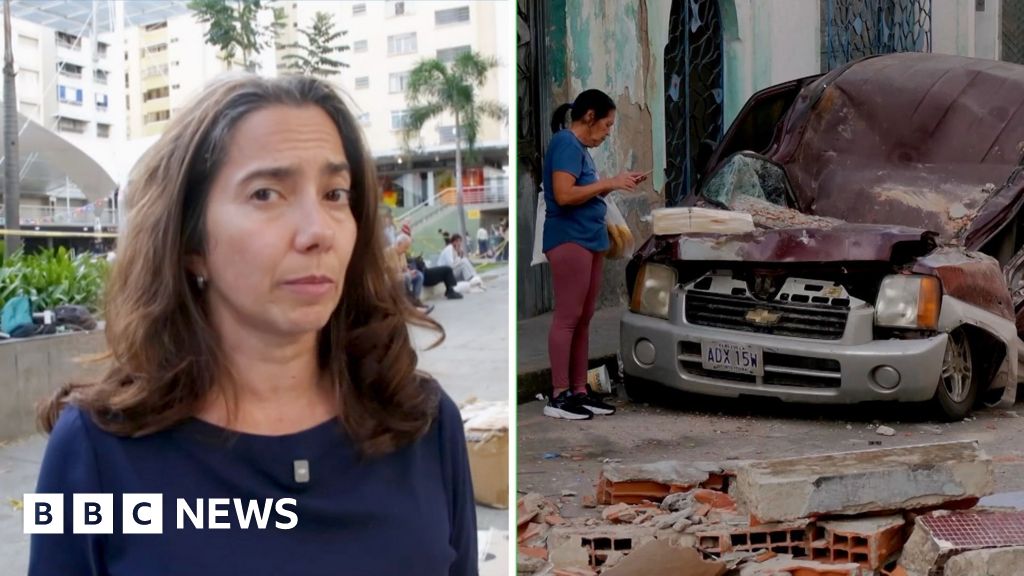
The city of Caracas was still reeling a day after back-to-back tremors struck, according to a BBC on-the-ground report. Venezuelan earthquakes prompted residents, volunteers and emergency teams to move quickly to check buildings and help those affected.
Watch the BBC News video report by Vanessa Silva (credit: BBC News): https://www.bbc.co.uk/news/videos/cz6vny382q9o
Venezuelan earthquakes: What happened in Caracas
According to BBC News coverage, Caracas felt a sequence of tremors described in local reporting and on-the-ground video as consecutive or back-to-back shocks rather than a single prolonged event. The tremors were widely felt across neighbourhoods and prompted immediate safety checks.
Local residents described being shaken awake or startled during the events. Streets filled with people checking buildings and calling out to neighbours to make sure everyone was safe. At the time of the BBC report, no official magnitude, epicentre or comprehensive technical details were included in the footage available for this update.
Authorities and municipal services appeared to focus first on ensuring people were removed from potentially unsafe structures and on rapid inspections of public buildings and housing blocks. The emphasis in early reporting was on immediate safety and accounting for residents rather than detailed damage assessments.
On the ground: BBC report
BBC correspondent Vanessa Silva reported from the streets of Caracas, providing eyewitness description and video that showed residents, municipal staff and volunteers moving through affected areas. Silva’s piece offered a snapshot of the immediate response and local mood.
The accompanying BBC video includes street-level footage and brief interviews with people in affected neighbourhoods. Silva described visible concern among residents, with many prioritising checking the structural safety of their homes and assisting vulnerable neighbours.
The BBC report is presented as an initial on-the-ground account. It highlights human reactions and early rescue activity while noting that fuller official information was not available at the time of filming. Viewers and readers are reminded that this is an early snapshot rather than a final assessment.
Rescue efforts and community response
Local rescue efforts were reported to be underway, with municipal emergency teams working alongside volunteers. Coverage showed neighbours helping one another, carrying out checks and offering practical aid such as water, blankets and first-aid assistance.
Public prayers and gatherings were visible in some areas as communities came together to support residents and to seek reassurance. The BBC footage emphasised solidarity: people helping to clear access, escort elderly residents to safety and share information about damaged streets or utilities.
Informal volunteer groups often act quickly after tremors, filling gaps while official teams coordinate wider checks. The BBC report showed these local efforts in action, but it did not present independently verified figures on casualties or a complete count of damaged buildings.
Context and what comes next
At the time of the BBC report, technical details such as magnitude, depth and epicentre had not been confirmed in the material made available. Those details are typically released by national seismological services or civil protection agencies and are important for understanding the scale of seismic activity.
Officials are expected to publish follow-up statements with verified data, safety guidance and any information on road closures or service interruptions. Residents should look for updates from Venezuelan civil protection agencies, official municipal channels and national seismological services for authoritative guidance.
Follow-up reporting will likely include clearer assessments of structural damage where surveys have been completed, official casualty figures if applicable, and instructions about building safety or temporary shelter. Emergency services may also advise on which areas to avoid while inspections and repairs proceed.
Key takeaways
Caracas experienced consecutive tremors that prompted rapid local checks and early rescue activity, as seen in BBC News coverage.
Vanessa Silva of BBC News reported from the scene, documenting community responses and the work of volunteers and municipal teams while noting the limits of available official data.
The initial reporting did not include magnitude, epicentre or confirmed casualty figures; official updates from relevant agencies are needed for a fuller picture.
Frequently asked questions
What happened with Venezuelan earthquakes?
BBC News reporting describes Caracas feeling consecutive tremors that led to immediate safety checks and community-led rescue activity. The report offers an early, on-the-ground account without complete technical details.
Why does Venezuelan earthquakes matter?
Tremors can affect building safety, services and daily life. Early response efforts aim to protect residents and assess risks to housing and infrastructure.
What happens next?
Expect official statements from Venezuelan civil protection agencies and seismological services with verified information on magnitude, epicentre and safety guidance. Local authorities may also announce inspection results, shelter locations or transport advisories.
Source: BBC News. Original on-the-ground reporting and video by Vanessa Silva: https://www.bbc.co.uk/news/videos/cz6vny382q9o (Credit: BBC News, reporter Vanessa Silva)