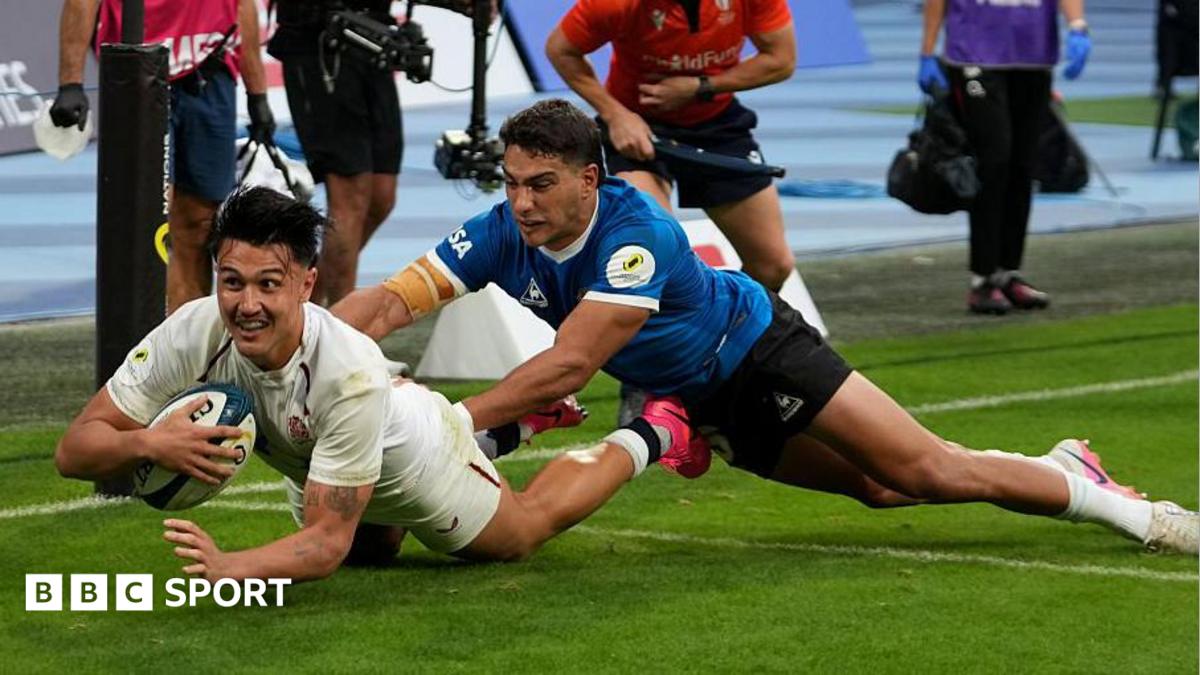
Final result: England beat Argentina after a late Television Match Official (TMO) review ruled out a last-gasp try in Santiago del Estero, a decision that ultimately decided the Nations Championship fixture.
Match summary: England beat Argentina
England beat Argentina in a tense Nations Championship meeting in Santiago del Estero, with the match decided by a late TMO intervention rather than in open play. The contest featured sustained periods of pressure from both sides, with chances created but not always converted into scoreboard advantage. Reporters at the ground noted a disjointed, at times chaotic match, with stoppages and tight defensive sequences shaping long phases of play.
Throughout the game both teams showed intent to attack but also made costly errors in key moments. England managed to hold a narrow margin into the closing stages, while Argentina mounted a late surge that appeared to deliver a decisive score — a try that would have altered the outcome before it was referred to the TMO and ultimately overturned.
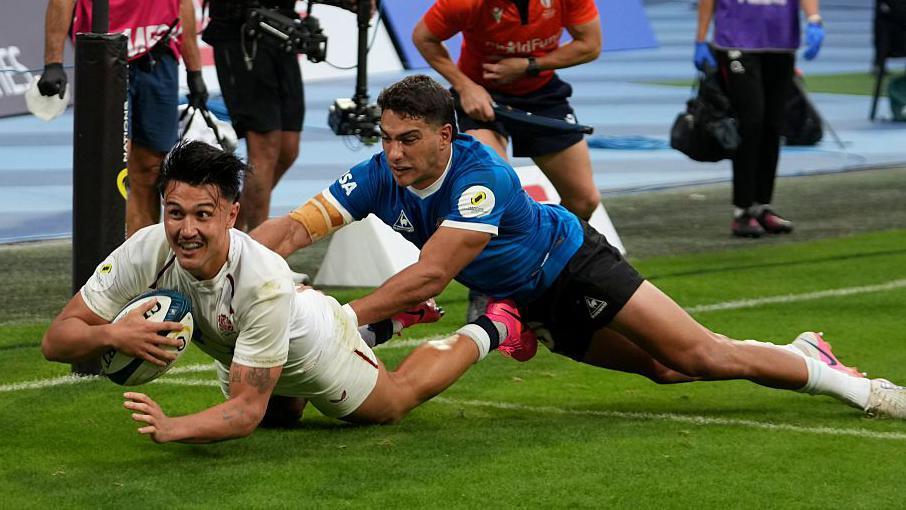
The disallowed try and the late TMO call
In the final minutes Argentina launched a sustained attacking sequence that culminated in what looked like a match-changing try. The on-field referee referred the grounding and the build-up to the Television Match Official for further scrutiny. The TMO examined multiple replay angles of the grounding and the phases immediately before the score.
After the late TMO check the officials concluded that the try could not be awarded. The BBC reported the decision as a controversial late ruling that denied the hosts a last-gasp score. Broadcasters showed the replay angles used in the review while commentators and those at the stadium debated the interpretation of the footage.
Decision: what the review examined
The review centred on two typical TMO considerations: whether the player had clear possession and whether the grounding was legal under the laws in the build-up phases shown. Match officials also checked intervening incidents in the lead-up that could have affected the validity of the grounding. After evaluating the available angles the TMO advised the on-field referee that, based on the evidence, the try could not be awarded.
The BBC coverage conveyed the broad reasoning used by officials without publishing an exhaustive technical report from the match referees; the description of the sequence and the final outcome comes from that reporting and the televised replay used during the review.
How the decision shaped the result
The overturned try preserved England’s narrow advantage and effectively decided the outcome. With the score left unchanged at full time, England were able to close out the match and claim the victory in the Nations Championship fixture in Argentina.
In the immediate aftermath coaches and players from both sides commented on the importance of clarity in TMO communications and the need for consistent protocols when decisive moments are referred upstairs. Analysts and team staff will now review the sequence to evaluate both the technical application of the laws and the practical match management that led to the review.
Reporters on the ground characterised the contest as chaotic at times, noting how the late review intensified debate about finishing under pressure and the application of TMO protocols. The ruling has short-term implications for how both teams approach late-game scenarios, including decision-making in attack and defensive organisation when the match is on the line.
What comes next for both teams
Both England and Argentina move on from Santiago del Estero with immediate recovery and preparation priorities ahead of their next Nations Championship fixtures. England will look to consolidate the confidence from this away victory and address areas identified in their late-game management. Argentina must regroup quickly after a result decided by a marginal, televised review, focusing on finishing sequences and discipline that can prevent similar outcomes in future matches.
Coaching staff on both sides are expected to use the footage from the closing phases extensively in training, emphasising situational awareness, phase discipline and the requirements for clear, legal grounding when attacking close to the line. Competition organisers and officiating panels may also review the sequence to confirm that TMO processes were followed in line with current protocols.
Source and match details
- Match location: Santiago del Estero
- Competition: Nations Championship
- Report source: BBC News – Top Stories (reporting and broadcast replays used during the TMO review)
Source attribution: This report is based on coverage by BBC News – Top Stories. The description of the disallowed try and the late TMO decision follows the BBC’s match reporting and the televised review they showed during the broadcast.
FAQ
What was the TMO decision that decided the match?
The TMO reviewed Argentina’s late attacking sequence, assessing the grounding and the phases leading up to it. After examining the available replay angles, the match officials concluded the try could not be awarded, a ruling that preserved England’s victory (as reported by the BBC).
Where was the match played and what was the score?
The fixture was played in Santiago del Estero. Reporting in the immediate coverage focused on the disallowed last-gasp try and the officials’ review rather than foregrounding a numeric final score in the initial match reports; accounts agree that England left the field as winners following the late TMO decision.
How does the result affect the Nations Championship standings?
The result preserves England’s place in the competition table and changes the short-term picture for Argentina, who lost a home opportunity to gain points late in the match. For an official standings update and any changes to competition points, consult the tournament table published by the competition organisers and broadcasters.
Original coverage and match details are drawn from BBC News – Top Stories: https://www.bbc.co.uk/sport/rugby-union/articles/cn4ny04qnv0o?at_medium=RSS&at_campaign=rss