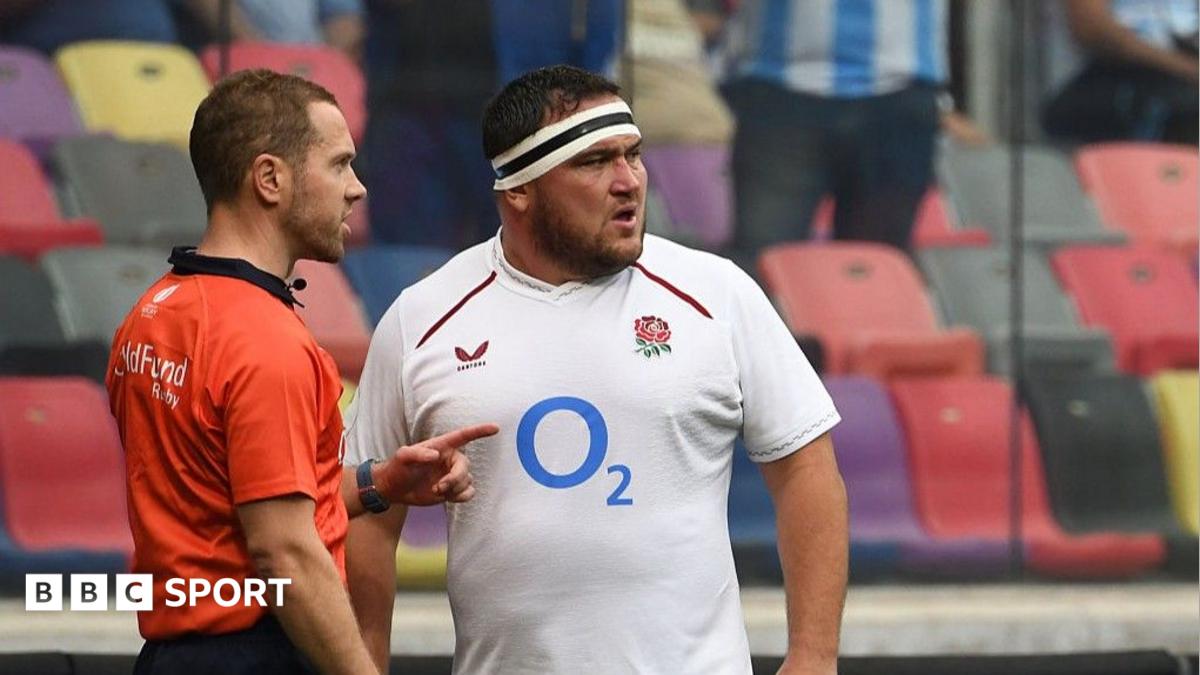
England secured a 31-24 win over Argentina but concerns around England discipline dominated post-match coverage after the side picked up four yellow cards. The repeated sin-bin spells interrupted England’s rhythm and gave Argentina repeated openings to press, even though the final scoreline favoured the hosts.
Expert reaction
Commentator Matt Dawson did not hide his frustration. “It’s verging on comical,” he said on broadcast, highlighting how avoidable indiscretions can overshadow a positive result. Dawson’s comment crystallised wider criticism that the team’s behaviour in contact moments and at the breakdown needs urgent attention.
Former players and pundits quickly echoed the sentiment, framing the issue as one of control and timing rather than overall tactical weakness. That distinction matters: a flawed discipline record can be corrected without wholesale changes to game plans, but it requires consistent focus in training and match management.
Match recap
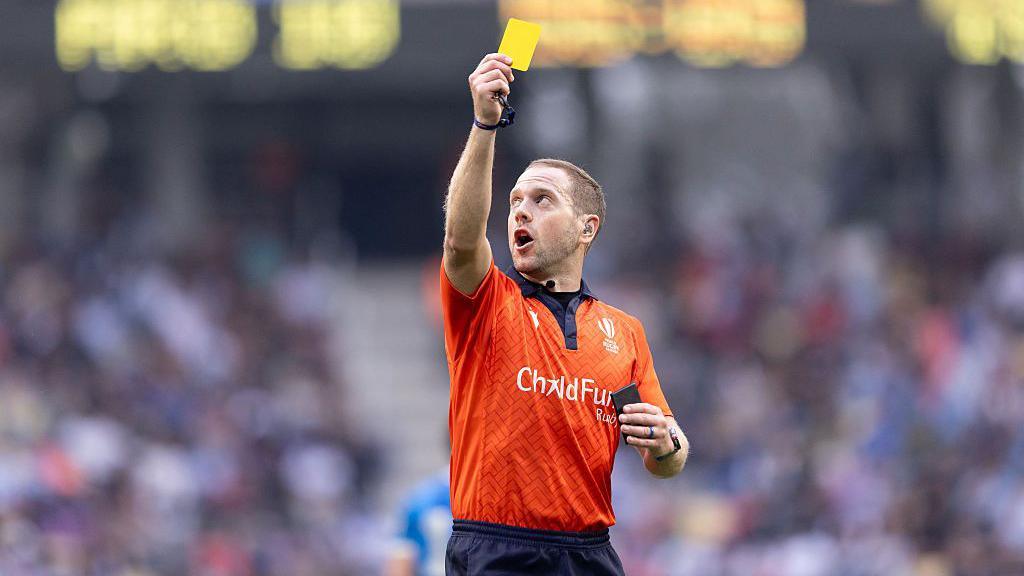
The core facts were straightforward: England beat Argentina 31-24, but the match featured four yellow cards against England that repeatedly reduced them to 14 men for short periods. Those moments led to defensive reshuffles, stoppages and, at times, a more fragmented attacking structure from England.
Despite the interruptions, England managed to retain a narrow but clear margin by the final whistle. The scoreline reflected a side able to find answers under pressure, but the repeated disciplinary lapses kept the contest tighter than it might otherwise have been.
England discipline: Dawson’s verdict
Matt Dawson’s description that England’s behaviour was “verging on comical” made headlines because it framed the yellow cards as symptoms of a recurring worry rather than isolated mistakes. Dawson pointed to the pattern of penalties and the timing of the cards as the key problem — moments that changed the tempo and invited opposition momentum.
That criticism has been presented as commentary rather than a factual judgement on players’ intent. Analysts stressed that many cards resulted from split-second decisions in contested areas, but still argued that better technique and discipline at critical moments are non-negotiable at this level.
Impact of the yellow cards
Practically, each yellow card meant England had to defend with a one-man deficit for a set period. That forced adjustments to defensive lines and reduced attacking ambition while the team repelled immediate pressure. Argentina were able to exploit the extra space and test England’s defensive cohesion during those intervals.
Repeated sin-bin spells also carry cumulative effects: players doing extra defensive work can fatigue faster, and set-piece timing can be disrupted. Coaches worry less about the final score in isolation and more about how such patterns might play out across a tournament where fine margins count.
Even in a win, the tactical window opened by a yellow card is a key moment for the opposition to try to swing momentum. Argentina pressed those phases well, and while England closed out the game, the cards narrowed the margin for error and forced more conservative game management at times.
Why it matters for England selection and form
Discipline is a selection consideration because repeated penalties and yellow cards can undermine a coach’s ability to rely on particular players in tight fixtures. Selection panels typically weigh technical ability alongside composure; a player who frequently leaves his side a man down becomes a tactical liability, especially in knockout or high-stakes pool matches.
Beyond squad choices, the broader implication is about momentum and confidence. A pattern of avoidable penalties can dent a group’s collective belief and force coaches to prioritise risk management over attacking expression. That recalibration can be costly if it leads to a more conservative style than the coaches intend.
Coaches will want to establish whether the incidents were isolated — bad reads or mis-timed tackles — or part of a deeper trend requiring targeted behavioural and technical correction. The remedy often combines video review, adjusted drills in training, and clearer on-field leadership to curb repeat offences.
What happens next?
England’s coaching staff are expected to review each yellow-card incident closely and to communicate specific corrective measures to players. That process typically involves identifying recurring triggers, whether around the breakdown, line speed, or discipline in tackles, and rehearsing alternatives that reduce the risk of cards while preserving competitive edge.
If the pattern persists, selection decisions could reflect a preference for players who combine physicality with more reliable technique. But in the short term, coaching interventions and reinforced standards often address the immediate concern without wholesale personnel changes.
FAQ
What happened with England discipline?
England received four yellow cards during the 31-24 win over Argentina. Commentator Matt Dawson described the team’s conduct as “verging on comical” in response to those cards.
Why does England discipline matter?
Yellow cards leave a team a player short for a period, changing the balance of play and increasing the risk of conceding scores. Repeated disciplinary issues can influence selection and game plans.
What happens next?
Coaches will review the incidents, reinforce standards and work on tactical or technical adjustments to reduce avoidable penalties while keeping the team competitive.
Source attribution
Source: BBC News — https://www.bbc.co.uk/sport/rugby-union/articles/c75g629k44zo?at_medium=RSS&at_campaign=rss — 2026-07-19 00:55:53Z