US and Iran exchange strikes in a widening regional confrontation after two US service members were killed in an attack in Jordan, officials and state media reported. The main claims — that Iran fired drones toward US forces in Kuwait and that US forces carried out strikes on Iranian-linked targets for an eighth consecutive night — were made by Iranian state outlets and US officials and have been widely reported by international media.
The sequence has rapidly raised tensions across multiple countries in the region, drawing attention from military commands and diplomats. Iranian state media said the drone action targeted US facilities in Kuwait; US officials described a continuing campaign of strikes against sites they say are linked to Iran’s regional network.
US and Iran exchange strikes
Iranian state media reported that drones were launched toward US military sites in Kuwait, describing the moves as part of a broader response to regional incidents. US officials have described repeated strikes on facilities they identify as linked to Iranian operations, saying the actions are intended to protect personnel and degrade threat networks.
Reporting indicates these exchanges represent an intensification of activity after an attack in Jordan that left two US service members dead earlier in the week. US authorities have publicly tied recent operations to that incident while continuing to assess responsibility and to gather intelligence.
Timeline of strikes and claims
- Earlier in the week: An attack in Jordan resulted in the deaths of two US service members. US officials cited that incident when authorising or justifying follow-on operations.
- Following the Jordan attack: US forces began a series of strikes they say targeted locations associated with Iran’s regional network; reporting describes the actions continuing over several consecutive nights.
- Eighth night: Reporting and statements describe US strikes persisting into an eighth night. Iranian state media reported that Iran fired unmanned aerial vehicles toward US positions in Kuwait.
- Current posture: Both sides have issued public statements with differing accounts. US military and diplomatic officials are monitoring for further retaliatory or defensive measures.
Where this happened and who is affected
The primary locations cited in public reports are Kuwait and Jordan. Iranian media specifically named Kuwaiti targets as the destination for drones. The fatal attack that helped trigger the recent US operations occurred in Jordan, where two US service members were killed, according to US officials.
US forces deployed across the eastern Mediterranean and the Gulf — including bases and logistics hubs in Kuwait and neighbouring states — are central to the situation. The strikes and counterclaims put deployed personnel, host-nation partners and regional stability at heightened risk, according to military analysts and officials.
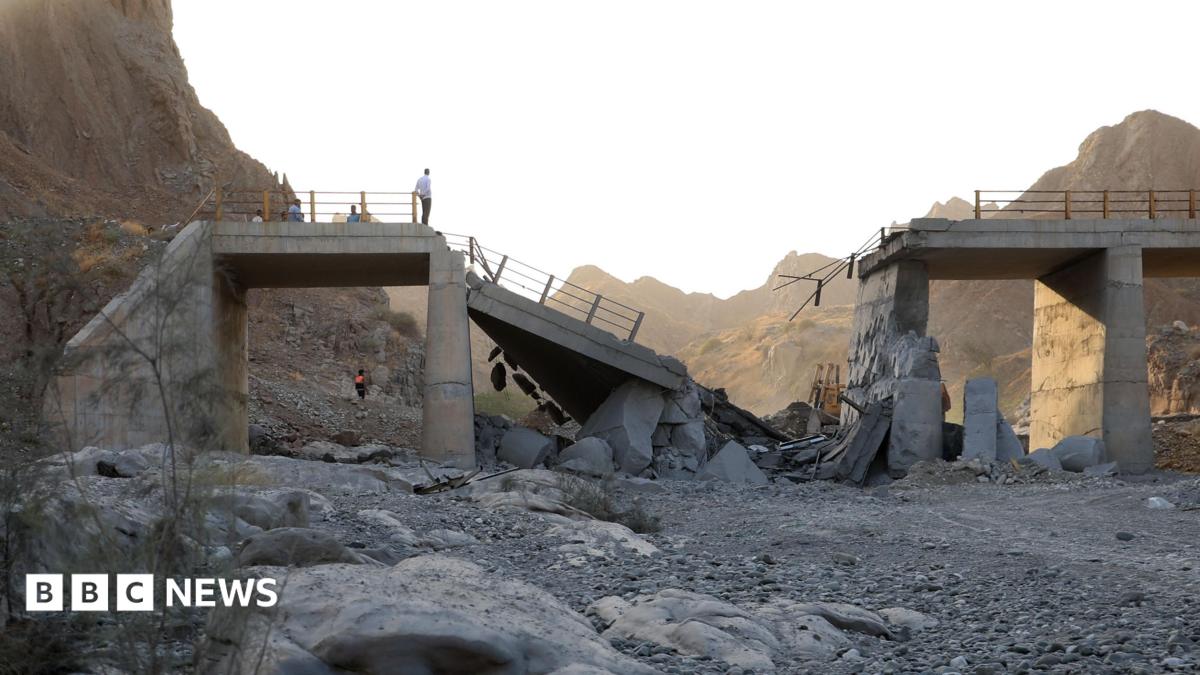
Smoke and damage at sites hit in the strikes have been described in regional reporting, and observers warn that even limited exchanges can affect airspace safety, maritime transit and the security environment for civilian populations near bases.
Why this escalation matters for the region
Repeated exchanges between the US and Iran increase the risk of miscalculation. Military actions that target linked facilities or proxy networks can quickly draw in local armed groups, host governments and allied militaries, amplifying instability.
The deaths in Jordan underline the human cost and raise political pressure in Washington. Regional economies and supply chains, especially energy transit routes, also face disruption if hostilities expand. Diplomatic ties between Gulf states, Western capitals and Tehran may be strained as officials weigh responses and pursue de-escalatory channels.
What comes next for US forces and diplomacy
US military leaders are likely to keep forces at an elevated defensive posture, increase force protection measures, and continue limited, targeted strikes where commanders judge they can reduce imminent threats. Public reporting suggests the US will continue to prioritise protecting personnel while calibrating actions to avoid a larger war.
Diplomacy will run in parallel. Expect intensified intelligence-sharing with regional partners, private protests to governments where actions occurred, and public appeals for restraint via international fora. Possible next steps include formal demarches, increased liaison through embassies, and coordination with coalition partners to manage escalation and seek avenues to reduce immediate tensions.
Analysts say monitoring lines of communication between Tehran and intermediaries — including states and non-state actors with influence in Iraq, Lebanon and Syria — will be crucial. Further strikes, expanded targeting, or a misinterpreted defensive action could prompt broader retaliation.
Background and context
Tensions between the US and Iran have persisted for years, often playing out through proxy groups and regional partner states. Periodic flare-ups have involved maritime incidents, attacks on diplomatic missions, and strikes on proxies’ facilities. Each cycle of escalation raises the diplomatic and military complexity of returning to lower tensions.
For readers: the accounts above draw on statements from Iranian state media and public comments from US officials as reported by international news organisations. Independent verification of every reported action is often constrained in active conflict zones; assessments rely on open-source reporting, official statements and intelligence shared with partners.
Source: BBC News – World. Original reporting: US and Iran exchange strikes after two US deaths in Jordan attack