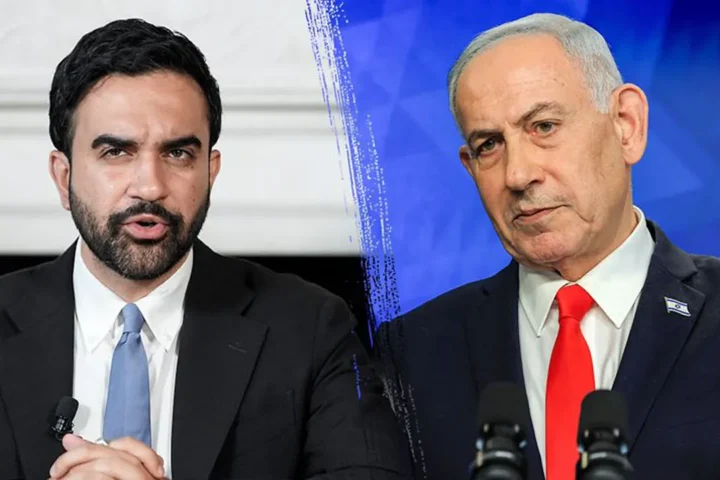
“I haven’t seen the freak-out now that the mayor of New York is now saying I’m going to defy the Supreme Court ruling,” Sen. John Fetterman told Fox News’ Kayleigh McEnany Saturday, framing a clash between local protest and national rule-of-law obligations. The Fetterman Mamdani SCOTUS ruling dispute opened after New York City Mayor Zohran Mamdani posted a short video saying the court’s decision affecting Temporary Protected Status was “not something his administration will ever accept.”
Fetterman Mamdani SCOTUS ruling explained
Fetterman’s comment and Mamdani’s video became shorthand for a larger debate: can elected local leaders publicly reject or refuse to implement parts of a Supreme Court immigration decision, and what consequences follow? The mayor’s explicit phrase — that his administration would not accept certain aspects of the ruling — has prompted warnings from party leaders who frame public refusal as a threat to constitutional norms.
The tension is political as much as legal. Fetterman, speaking on national television, urged party discipline and stressed the potential institutional risks of municipal leaders signaling they will not comply with the high court’s judgments. Mamdani’s statement, in turn, was framed by supporters as a protest against what they view as harsh immigration outcomes.
What the Mullin rulings did
The recent pair of decisions identified in reporting as Mullin v. Al Otro Lado and Mullin v. Doe have been described by the court and commentators as narrowing some judicial avenues for migrants. One ruling limits access to asylum claims for migrants who are turned away at the border before entering the United States, reducing the scope for federal-court review of border-interdiction decisions. The other decision restricts use of interim judicial relief — such as stays or injunctions — for certain nationals who had Temporary Protected Status while they pursue legal challenges to revocations.
Taken together, the rulings alter how and when migrants can obtain emergency relief from courts. They do not, on their face, prevent all forms of legal challenge, but they raise the bar for immediate stays that would delay removals or preserve TPS pending litigation. That narrower access to interim relief is the specific legal change commentators cite when discussing increased practical enforcement options for federal agencies.
These effects are summarized in coverage from court-watch outlets and news organizations that reviewed the majority opinions and reactions from lower courts and advocates. For readers assessing impact, it is important to distinguish what the opinions say (the legal holdings) from how advocates or lawmakers respond (political consequences).
Legal and political stakes for New York and national leaders
Legally, a mayor cannot nullify a Supreme Court ruling that interprets federal immigration law. Federal authority over immigration is broad, and the executive branch — via agencies such as the Department of Homeland Security and the Department of Justice — implements removals and administrative changes consistent with court guidance. If a city attempted to actively resist federal enforcement measures grounded in the court’s rulings, litigation and federal remedies would likely follow.
Practically, the Mullin decisions narrow judicial levers that previously gave migrants time to seek relief, which in turn reduces legal friction for federal enforcement in some cases. That makes agency action a more immediate tool: if courts are less likely to issue stays, removals or revocations may proceed faster unless Congress or a later court intervenes.
Politically, the episode spotlights cleavages within the Democratic coalition. Some elected officials emphasize adherence to judicial rulings and institutional stability; others prioritize protest and solidarity with migrants when they view decisions as unjust. Fetterman’s public rebuke reflected concern about messaging and the institutional implications of openly defying a Supreme Court ruling. Mamdani’s supporters see his statement as principled opposition and civil resistance to immigration outcomes they consider inhumane.
Reactions and what could happen next
Responses are likely to follow several tracks. At the administrative level, the Department of Homeland Security and related agencies can issue guidance or take steps to implement the court’s holdings. Affected migrants and advocacy groups may seek emergency relief in lower courts while adjusting legal strategies to the new precedents. Where factual records differ, some lower courts could still grant relief on narrow grounds, even under the new standards.
If a municipal leader were to direct city employees to block federal enforcement in ways that conflict with the law, that would invite federal litigation asserting preemption and the supremacy of federal immigration statutes and judicial decisions. Most legal observers say courts and agencies — not cities — control nationwide immigration enforcement policy.
The political fallout will likely include further public statements from Democratic leaders, advocacy litigation, and possible congressional attention. Major statutory change remains unlikely in the near term given partisan divisions, which leaves administrative and court-based remedies as the primary levers for affected migrants.
Expert perspectives
Legal analysts writing for court-focused outlets note the difference between expressing opposition to a ruling and taking legally actionable steps to obstruct enforcement. Commentators emphasize that the rulings reshape the tactical landscape for emergency stays and interim relief, even as the long-term legal questions remain subject to further litigation and possible legislative response.
What comes next
Expect a mix of litigation, agency guidance, and political debate. Advocacy groups representing asylum seekers and TPS recipients will likely pursue expedited filings where possible. Municipal leaders opposed to the rulings can continue political protests and local policy adjustments within the bounds of the law, but direct defiance of federal court holdings would trigger legal challenges and federal remedies.
For national and local leaders alike, the episode will test how political protest, legal obligations and humanitarian concerns are balanced in practice — and whether party leaders prioritize unified messaging or space for local dissent.
Sources and further reading: Coverage and analysis from Fox News (Fetterman interview and Mamdani video), SCOTUSblog’s analysis of recent immigration opinions, and reporting by Reuters on reactions and legal implications.
Links: Fox News; SCOTUSblog; Reuters; Supreme Court (official site).