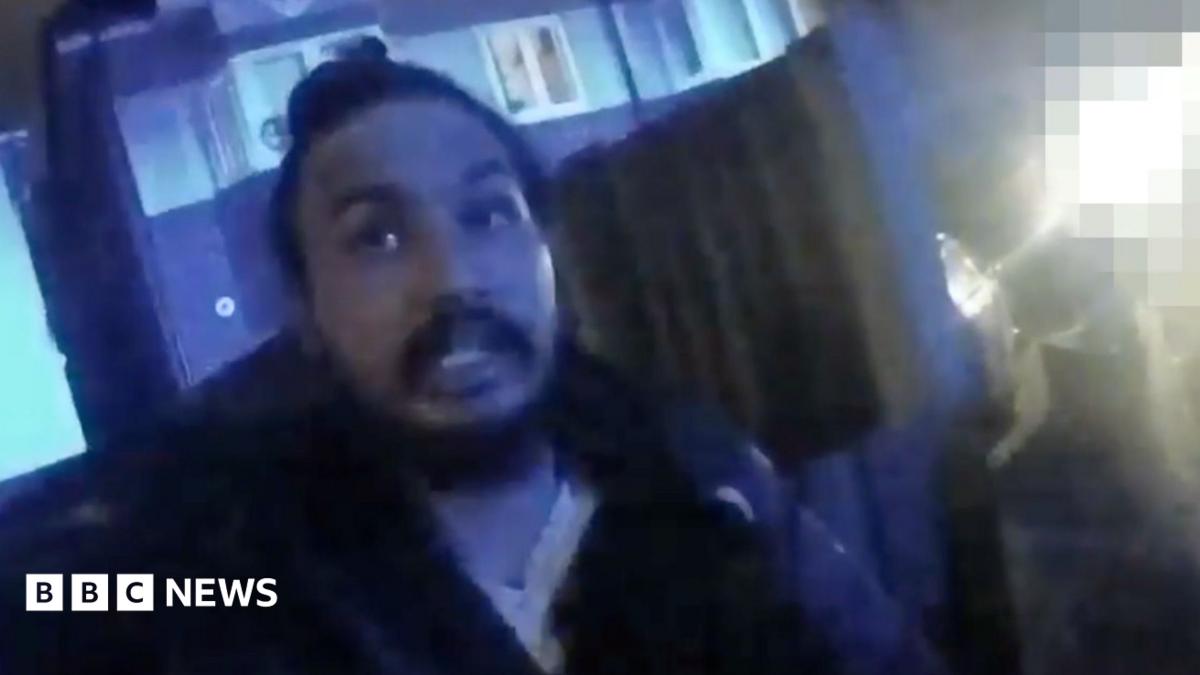
BBC-published bodycam footage dated 26 June 2026 appears to show the person accused of killing Henry Nowak giving accounts to officers that conflict with what is captured on police body-worn camera. The BBC says it obtained the recordings after requesting access to bodycam material, and it presents the clip as showing statements that appear to contradict the visible record. Reporting emphasises that these are appearances from the footage, not judicial findings.
What the Henry Nowak bodycam footage shows
The BBC-published bodycam footage includes recordings from officers at the scene of the arrest and from parts of a police interview conducted soon afterwards. It appears to show the individual later accused in the Nowak killing describing events in a way that does not match other material captured on the cameras.
The broadcaster’s account highlights specific moments where on-camera words and actions seem inconsistent with the accused person’s verbal account to officers. Observers quoted in the BBC coverage describe these as apparent contradictions that raise questions about what was said during the recorded interactions.
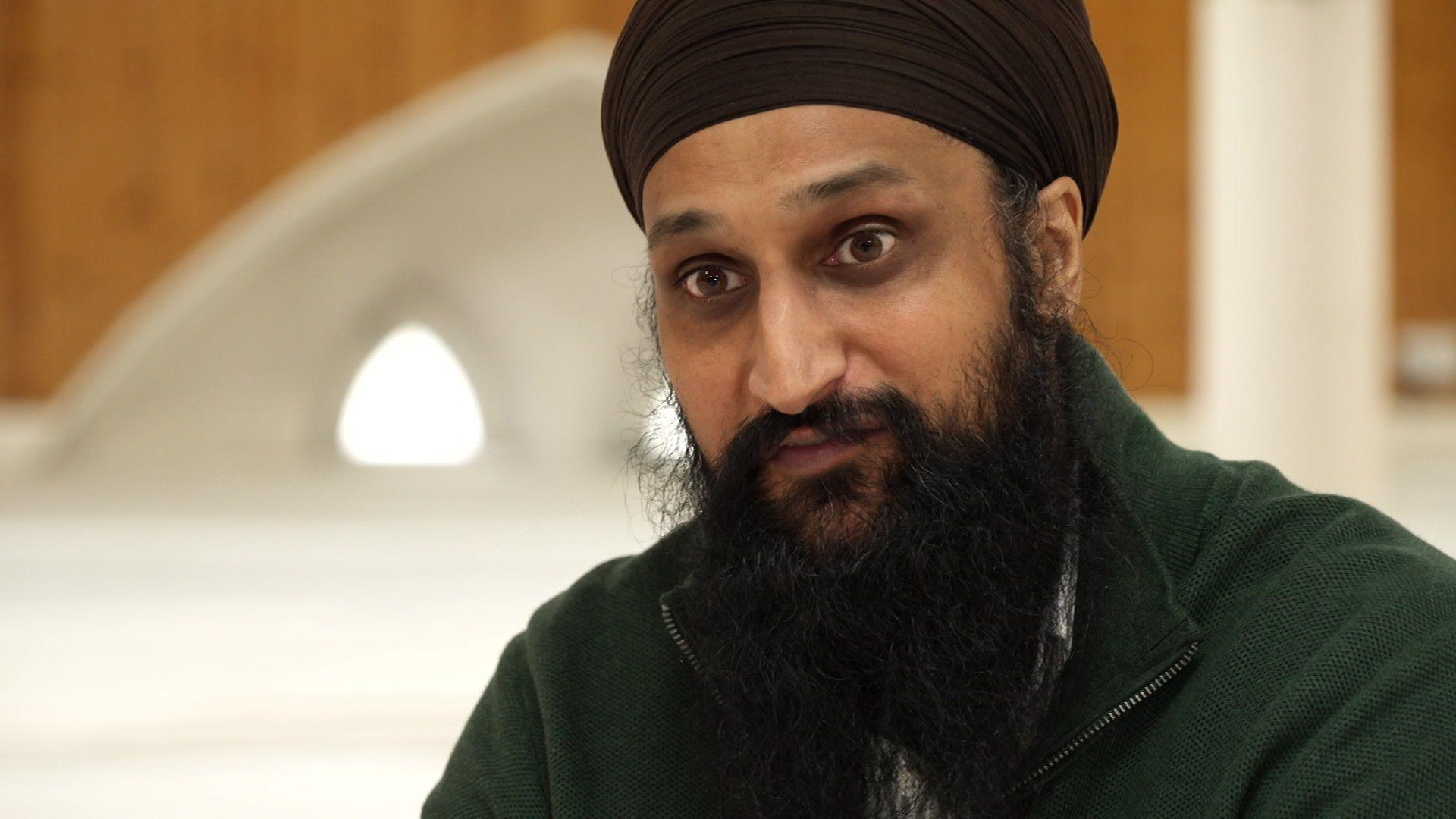
News outlets and legal commentators note the importance of cautious language: the footage may display apparent inconsistencies, but interpretation and weight are matters for investigators and, if charged, a court.
Timeline of the arrest and release
Public reporting indicates the body-worn camera recordings were made at the time of the arrest and in the immediate period afterwards. The BBC says it requested those bodycam files from the relevant police force and published the material on 26 June 2026.
According to the BBC’s account, the recording itself predates publication and was supplied to the broadcaster following the request. The BBC article is currently the primary public record describing what the footage contains and the circumstances of its release.
Requests for police-recorded material are a standard part of how news organisations seek transparency. The broadcaster’s statement that it formally requested the footage is central to understanding the mechanism by which the clip entered the public domain.
Evidence, claims and legal context
Body-worn camera footage is routinely reviewed by police and prosecutors as part of investigations. Such recordings can corroborate or challenge witness accounts and statements made by suspects in custody, and they are often used to build or test evidential narratives.
That said, the existence of apparent contradictions on camera does not itself determine legal guilt or innocence. The BBC frames what the footage appears to show; it does not present a legal ruling. Prosecutors must assess all available material, and defence lawyers can challenge the context, meaning or admissibility of recorded remarks.
There are also established legal and procedural safeguards around police interviews: how interviews are conducted, how statements are recorded, and how recorded material may be introduced in court. Any suggestions of untruthful statements on camera would normally be explored within that wider evidential and procedural framework.
What comes next in the investigation or case
After publication, investigators and prosecutors typically review recorded material alongside forensic evidence, witness accounts and other records. The BBC’s release may prompt official comments from police or the prosecuting authority clarifying how the footage fits into the ongoing inquiry.
If the footage is relevant to charges, prosecutors will consider whether it affects charging decisions or trial strategy. Defence teams may seek access to original files, and courts will decide on admissibility if the material is tendered as evidence. Separately, police forces sometimes open internal reviews when published recordings raise concerns about conduct or procedure.
Public release of such material can also change the case’s public profile, potentially prompting fresh lines of inquiry or requests for additional transparency from the force involved. Ultimately, formal determinations rest with investigating authorities and the courts.
Background and reporting notes
The BBC article published on 26 June 2026 is the principal public source for the footage. The broadcaster says it obtained the bodycam files after requesting them from the police. Because the situation involves ongoing legal and investigatory elements, this article uses cautious terms such as “appears” and “alleged” to reflect that the footage alone is not a final legal finding.
Frequently asked questions
What does the Henry Nowak bodycam footage show?
The BBC-published footage appears to show the person later accused in the Henry Nowak case giving an account to officers that conflicts with images or audio captured on body-worn cameras. The broadcaster describes segments of the recording as showing apparent contradictions.
Did the BBC request and publish the footage?
Yes. The BBC has said it requested access to the bodycam recordings and published the footage on 26 June 2026. Its article is the primary public account of the material’s content and release.
Could this footage affect the criminal case or investigation?
Potentially. Recorded statements and bodycam material can be relevant to charging and trial decisions, but any impact depends on how investigators and prosecutors assess the footage alongside other evidence. Courts will ultimately weigh and test such material if it becomes part of proceedings.
Source: BBC News – Top Stories. Original article and published footage: https://www.bbc.co.uk/news/articles/c5yzl5xl3gjo (published 26 June 2026). The images referenced in reporting are from the BBC article listed above.