The New York primary results — three Democratic Socialists of America-backed candidates winning key contests — have thrust the phrase “socialism vs capitalism” back into intra-party debate and forced House Democrats to debate strategy, messaging and electability.
What happened in New York
On primary night in New York City, three candidates aligned with the Democratic Socialists of America prevailed in competitive Democratic primaries in districts where progressive organizing and grassroots turnout were decisive. Local endorsements and activist networks played a clear role: Zohran Mamdani publicly endorsed Darializa Avila Chevalier, Brad Lander and Claire Valdez, according to reporting on the races.
The victories were concentrated in New York City neighborhoods with strong progressive bases and high campaign engagement. Organizers point to robust door-knocking, volunteer mobilization and targeted messaging on housing, labor rights and anti–special-interest reforms as central to the wins. Supporters framed the outcomes as a mandate for bolder policy stances and a rejection of establishment influence in local politics.
At the same time, the localized nature of the results prompted immediate caveats. Lawmakers and analysts noted these wins occurred in deeply blue, urban districts with activist infrastructures not easily replicated statewide or in rural and suburban swing areas. That geographic reality shaped the swift interpretations in Washington: some viewed the results as an energetic expression of local politics, others as an early signpost of a national trend.
Photographs from the night captured energized voters and volunteers in precincts that pushed these campaigns over the line, underlining how turnout and organizing can determine primary outcomes even in high-profile metropolitan areas.
House Democrats react
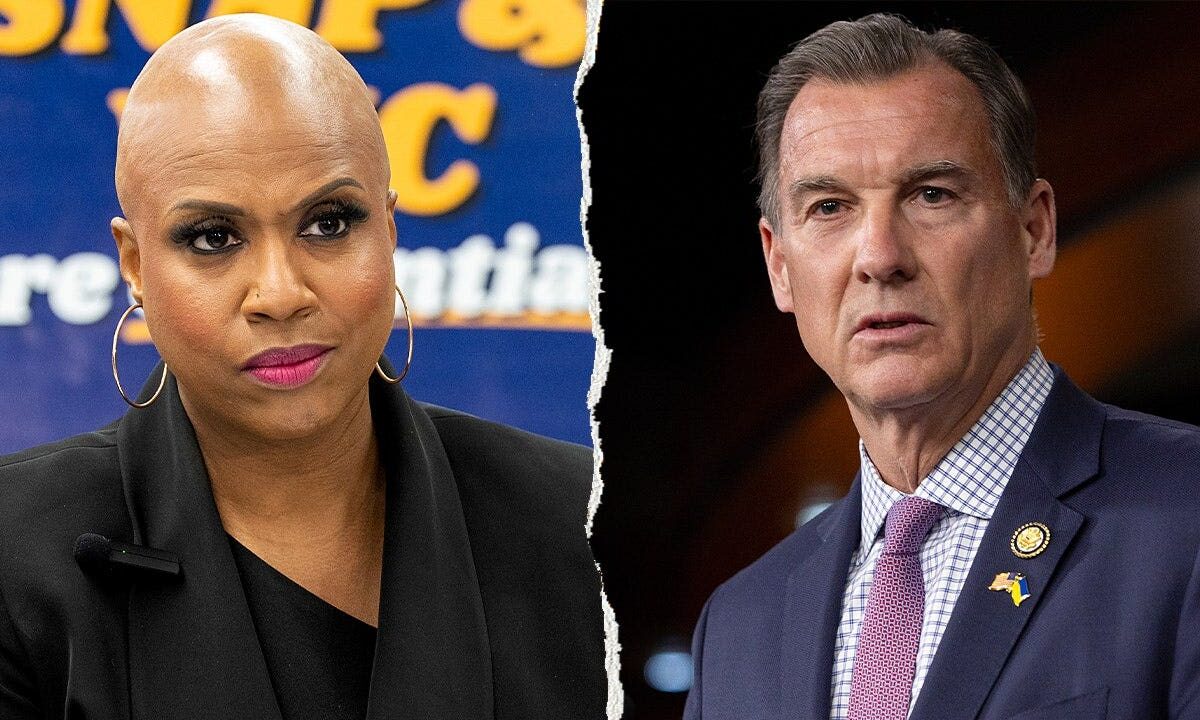
The New York outcomes led to sharply different reactions inside the House Democratic conference. Progressive lawmakers framed the wins as an affirmation of organizing and an opening to push ambitious policy, while moderates and centrists warned about messaging risks in competitive districts.
Rep. Ayanna Pressley described the results as forward momentum for a base-oriented approach: “So people should take heed,” she said, urging colleagues to invest in organizing and turnout.
Rep. Pramila Jayapal emphasized the energy among younger voters and a desire to confront entrenched interests directly. “Fabulous energy, momentum, giant repudiation of special interests,” Jayapal said, arguing the victories could help mobilize supporters around issues like housing affordability and labor protections.
By contrast, several moderate Democrats used the results to reassert a pragmatic posture. Rep. Thomas Suozzi was blunt: “I’m a capitalist, not a socialist,” he told reporters, framing his concerns around public safety and practical economic policy. Rep. Gregory Meeks expressed a similar view: “I believe in capitalism, so I’m not a socialist.” Both emphasized that language and labels matter electorally in districts that are not uniformly progressive.
Others in the conference urged careful translation of local wins into national strategy. Rep. Joseph Morelle, assessing the New York dynamics, cautioned that city politics are distinct and pressed a point on voter-facing communication: “We have to do a better job of understanding, saying that we understand what people are going through and proposing solutions that will make their lives better,” he said, underscoring the need for clear policy proposals that connect with everyday concerns.
These reactions reveal competing priorities: progressives prioritizing movement-building and bold proposals; moderates prioritizing message discipline and broad appeal. The split is not purely ideological but tactical, with lawmakers weighing short-term policy wins against long-term coalition durability.
What this means for socialism vs capitalism in the party
The immediate consequence is a sharper contest over party identity and tactical choices. The New York results give DSA-aligned members visible footholds and a stronger platform to press for policy shifts on labor, housing and campaign finance reform. That amplified voice could move internal debates in committees and shape the party’s agenda-setting around priorities that energize the progressive base.
Moderates worry these wins will be used by opponents to brand Democratic nominees in swing districts as outside the mainstream. The concern is not only rhetorical: in past general-election cycles, messaging around economic ideology has been used to sway undecided suburban voters. Moderates argue that emphasizing practical, incremental solutions to inflation, public safety and jobs can retain persuadable voters.
Leadership faces trade-offs. If the conference accommodates more aggressive policy pushes, it may win enthusiasm and turnout among progressives but risk alienating voters in competitive districts. Conversely, a squeeze toward the center could dampen activist energy and suppress turnout among younger and more ideologically motivated voters who powered the New York wins.
What it means for voters and 2026 fights
For voters, the central question will be which approach produces tangible improvements in daily life. As Rep. Morelle suggested, rhetoric must be paired with concrete proposals that address housing costs, healthcare access and job security. The parties’ ability to present clear, actionable plans will shape 2026 messaging battles and turnout patterns.
Strategically, expect three immediate moves: (1) progressives will highlight the New York victories to recruit volunteers and donors and test policies in committee settings; (2) moderates will double down on candidate recruitment and messaging aimed at suburban and rural swing voters; and (3) House leadership will try to broker compromises that keep the coalition intact while avoiding headline-grabbing fights that could be weaponized by political opponents.
Ultimately, whether these New York outcomes become a blueprint for broader gains depends on whether organizers can replicate intensive ground operations in other regions and whether candidates can translate primary energy into general election viability in diverse districts.
Source attribution: Reporting summarized from Fox News — Socialism vs capitalism: House Dems clash over what NY election results mean for party.
Next steps to watch: how newly elected members position themselves on major House debates, whether Democratic leaders recalibrate messaging ahead of 2026, and whether similar progressive waves take hold outside New York City in upcoming primaries.