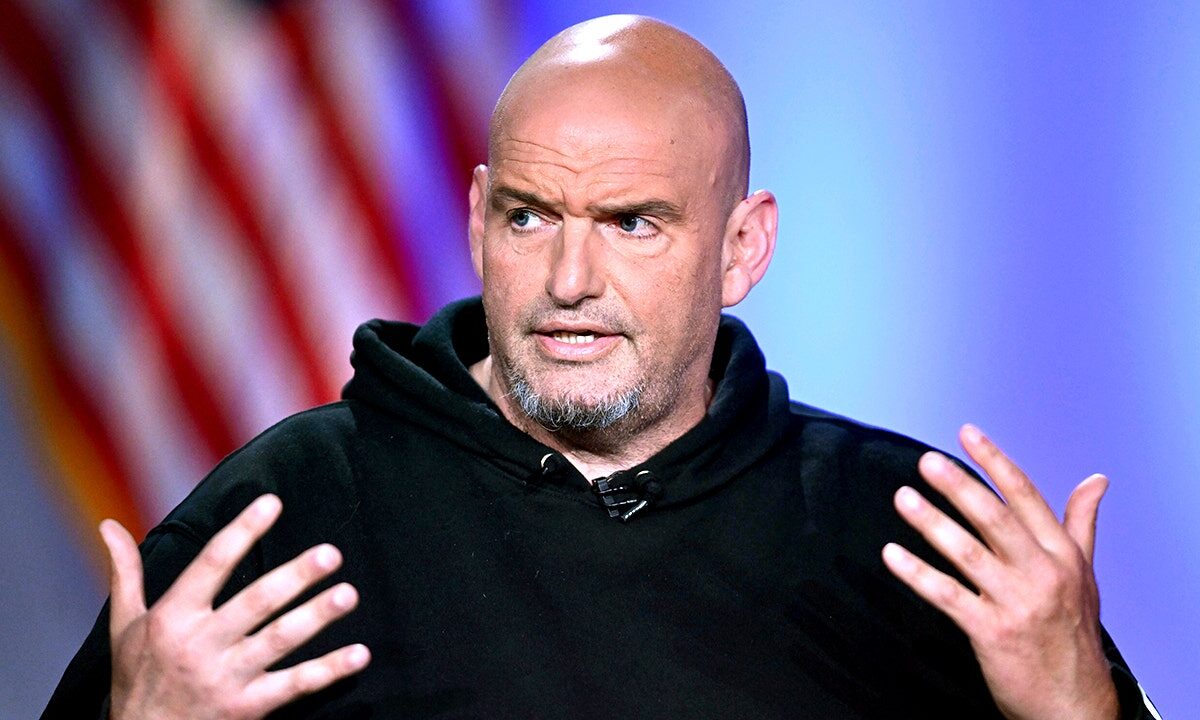
“Some Democrats now are literally running ‘f— Trump’ commercials — I refuse to do that,” Sen. John Fetterman said on the Impaulsive podcast, striking a blunt tone that set the terms for his interview. Speaking directly to hosts on the episode, Fetterman framed his objection as both a moral and pragmatic stance: attacking opponents with dehumanizing language, he argued, risks alienating the very voters Democrats need in swing states.
Why John Fetterman says this messaging is wrong
On Impaulsive, Fetterman repeatedly faulted language that labels ordinary voters as extremists. “If you call someone on their side ‘they’re fascists,’ then that means people I know and love who voted for him must be fascists — and they are not,” he said, adding that many of those voters are “good people” who love the country.
Fetterman’s objection is twofold. First, he portrayed extreme name-calling as inaccurate: it flattens a wide range of voters into a caricature that does not match their beliefs or motivations. Second, he framed the tactic as strategically flawed in close contests, where persuadable and moderate voters decide outcomes.
He called the trend a “race to the bottom,” urging colleagues to focus on policy contrasts rather than character indictments. Those remarks, given on the record on Impaulsive, were presented by Fetterman as an intentional repositioning: to win in places like Pennsylvania, tone matters as much as content.
The Trump dinner and internal backlash
Fetterman described a turning-point moment: he accepted an invitation to dine with former President Donald Trump in 2025 and said he “took so much s—” from fellow Democrats afterward. He told the podcast that his initial reaction was positive — “I was excited… I can’t wait” — but the backlash that followed underscored active tensions within the party.
The episode, as Fetterman recounted it on Impaulsive, became a flashpoint. For him it represented a chance for direct engagement; for critics in his party, it was evidence of misplaced outreach. That split captures a broader debate inside the Democratic coalition over whether visible gestures toward opponents help or harm electoral prospects and party unity.
What this means for Pennsylvania and voters
Fetterman repeatedly grounded his argument in his role as a statewide representative: “I don’t just represent, you know, Democrats. I represent all 13 million Pennsylvanians,” he said on the podcast. That emphasis matters in a state where margins are often thin and where independents and moderate Republicans can swing results.
Translating that principle into campaign practice would likely change where Democrats invest resources. A deliberate pullback from contempt-driven ads could shift ad buys toward policy-focused spots, alter audience targeting, and reframe get-out-the-vote appeals to emphasize persuasion alongside mobilization.
Practically, Fetterman’s posture signals a strategy of outreach: tone down incendiary rhetoric, meet voters where they are, and emphasize contrast on issues such as the economy, healthcare, and local concerns rather than personal vilification.
What comes next for Democrats
Fetterman’s comments add a prominent voice to an existing intra-party conversation ahead of the 2026 cycle. The party faces a trade-off: sharp messaging can energize a reliable base in the short term, while a softer, persuasion-oriented approach may be better for expanding coalitions in swing states.
Expect debate among party strategists. Some operatives will argue that aggressive ads mobilize turnout and define opponents; others will point to persuasion data showing that tone matters in persuadable suburbs and rural counties. Fetterman’s stance, as presented on Impaulsive, is to be a visible example of respectful engagement and to press colleagues to weigh long-term coalition-building against short-term heat.
How much this shifts national strategy depends on several variables: primary challenges, donor preferences, the broader political environment, and whether voters respond positively to a change in tone. For now, the exchange around the Trump dinner and the proliferation of “f— Trump” messaging makes clear that Democrats are actively wrestling with tone, tactics and the balance between mobilizing the base and persuading the center.
Next steps and what to watch
Watch for immediate reactions from national Democratic leaders and state campaign committees: corrections in ad buys, public statements endorsing or rejecting Fetterman’s view, and shifts in messaging in key Pennsylvania districts would be early indicators of impact. Primary challengers or more progressive House and Senate members could push back, keeping the debate public.
Analysts will also track polling among independents and moderate Republicans in Pennsylvania and other battlegrounds for signs that tone changes affect favorability or turnout. Ultimately, Fetterman’s comments — delivered on the Impaulsive podcast — are one data point in a larger strategic debate that will play out before 2026.
Source attribution: Fetterman’s direct quotes and account of the Trump dinner come from his interview on the Impaulsive podcast (linked below). A reporting summary is available via Fox News, which covered the interview and its political fallout.
Sources: Fox News — John Fetterman defends Trump supporters, condemns fellow Democrats’ ‘f— Trump’ strategy. Impaulsive podcast episode (YouTube): Impaulsive on YouTube. All direct quotes in this story are attributed to Sen. John Fetterman on the Impaulsive podcast.