The death of Supreme Leader Khamenei was followed by three days of public mourning in Tehran that state media presented as a unified, mobilising moment. Officials oversaw large processions and carefully staged events that, according to reporting from the scene, were intended to convey a clear political message.
While the period was formally a time of grief, the ceremonies were also used to demonstrate continuity of authority. The scale, choreography and messaging of the farewell signalled the priorities of Iran’s leaders: to reassure supporters, deter opponents and project resolve beyond Iran’s borders.
What happened in Tehran
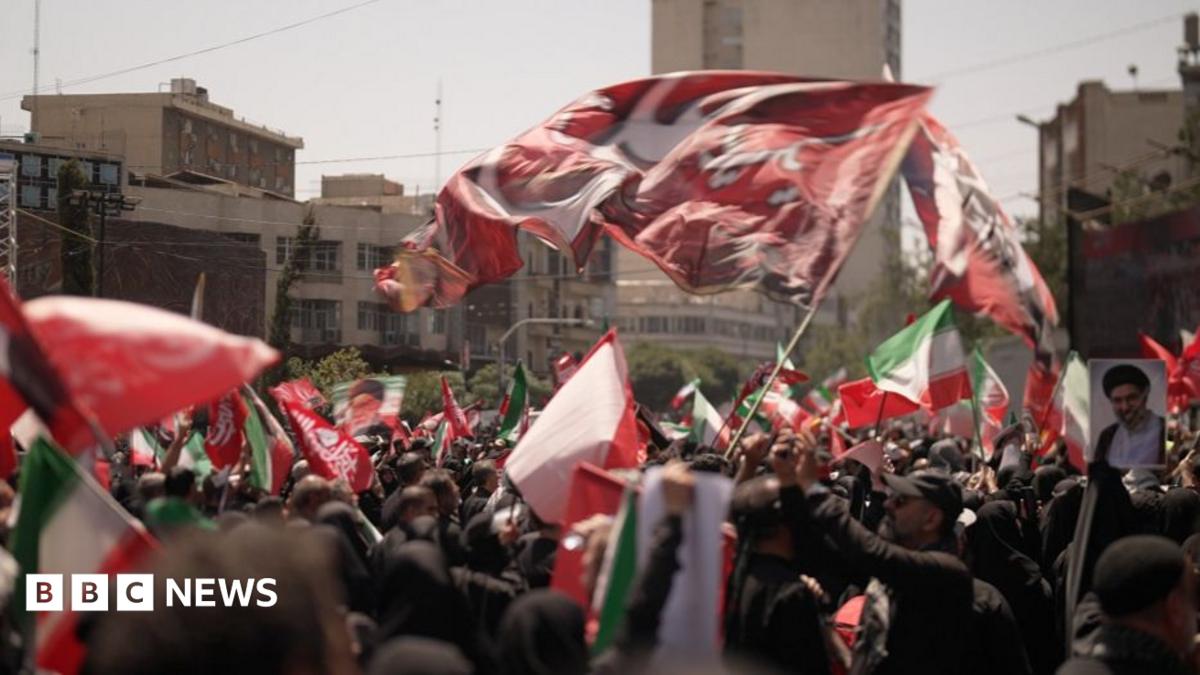
Authorities declared three days of public mourning in the capital, during which official processions, speeches and state-organised gatherings were held at multiple sites across Tehran. Large crowds were visible at these events, with state-aligned media broadcasting ceremonies nationally.
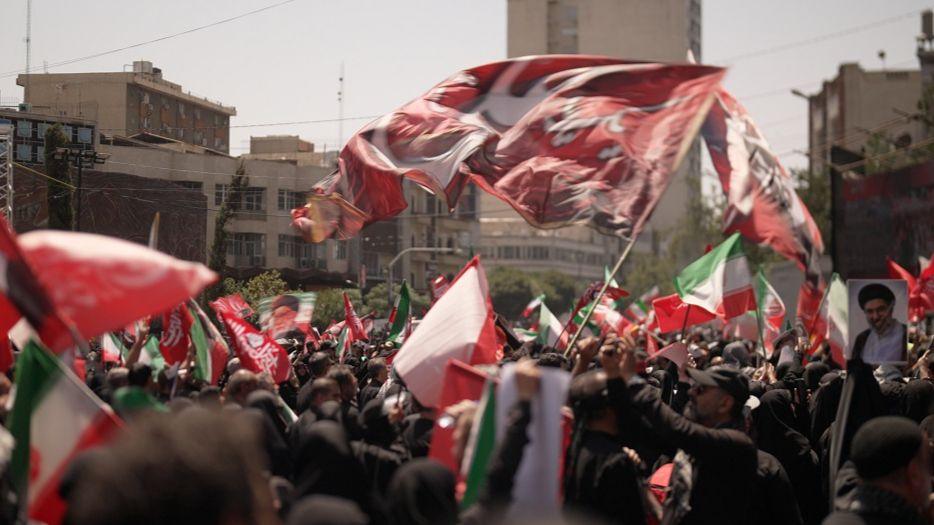
Observers noted that routes, speakers and timings were centrally managed, consistent with a state-directed schedule rather than spontaneous mass gatherings. International reporters on the ground described the events more in terms of how they were presented by officials than as an independent measure of popular sentiment.
How the state framed Khamenei’s farewell
Iran’s leaders framed the farewell as more than mourning: official messaging emphasised resistance, continuity and the leader’s enduring ideological legacy. The ceremonies made use of ritual, symbols and carefully controlled visuals—flags, banners, chants and uniformed processions—to project an image of unity.
Such staging served two linked purposes. First, it signalled internal continuity: by presenting a disciplined and consistent narrative, the leadership aimed to reassure factions within the system and the broader public that the state’s institutions remained intact. Second, the visual assertiveness communicated to external audiences—regional rivals and Western governments—that Iran intended to sustain its strategic posture even after the leader’s death.
Who the message was aimed at
The farewell was targeted at multiple audiences. Domestically, the spectacle was intended to reassure the conservative base, co-opt undecided observers, and dissuade opposition actors by showing organised unity and control. In a political environment where symbolism matters, choreographed ceremonies can be a quick means to shore up legitimacy.
Externally, the themes of resistance and references to revenge in some official rhetoric were calibrated to signal resolve to regional competitors and foreign powers. By linking the funeral imagery to longstanding political narratives—resistance to foreign pressure and regional defiance—leaders sought to deter perceived threats and remind external audiences of Iran’s capacity to act in defence of its interests.
Reporting on the ground
BBC correspondent Lyse Doucet reported from Tehran and described the three days of mourning as a “political spectacle” that Iran’s leaders wanted the world to see. Her on-the-ground reporting provided scene details—timing, locations and the atmosphere at organised sites—that help distinguish carefully managed state events from organically emergent public reaction.
Independent reporting like Doucet’s is especially important in contexts where domestic media are tightly controlled. Journalists on the ground can note differences between official presentation and private sentiment, though their access and movement are often constrained. In this case, the BBC’s framing of the ceremonies as a managed spectacle helps explain why analysts caution against reading the events as a simple measure of popular support.
Background: Khamenei’s role and the Iranian leadership
As Supreme Leader, Khamenei was Iran’s highest authority, with influence over the military, security services, foreign policy and the judiciary. The position blends religious authority with constitutional power, and succession dynamics are closely watched because they affect both internal balance and regional strategy. In such a system, formal rituals around the leader’s death are an opportunity for those in power to demonstrate continuity and to shape public perception during an uncertain transition.
Risks and likely next steps
In the short term, a tightly managed farewell increases narrative control for the authorities and can stabilise the immediate political environment. But it also carries risks: heavy-handed displays may deepen domestic grievances if sections of the population see them as performative rather than reflective of genuine consensus.
Analysts should watch for the next phases of state messaging: official appointments, statements by key institutions, and how the leadership frames any retaliatory rhetoric if it invokes the language of revenge. Expect further staged events—ceremonial appointments, official commemorations and tightly controlled public appearances—to reinforce the continuity message.
Frequently asked questions
Why did Tehran hold three days of mourning?
Officials declared the period to mark the leader’s death and to stage visible demonstrations of continuity and unity. Reporting indicates the days were used to present a controlled narrative of resistance and state strength rather than to document spontaneous public sentiment.
Who is Lyse Doucet and why does her report matter?
Lyse Doucet is the BBC’s international correspondent. Her reporting from Tehran provides context and scene detail that help readers understand how the ceremonies were organised and presented to domestic and international audiences, and she explicitly described the events as a political spectacle designed for impact.
What message did Iran leaders try to send with the farewell?
Iran’s leaders framed the farewell as a show of resistance and continuity, signalling resolve to both domestic supporters and external rivals. The ceremonies emphasised unity and suggested that the state’s policies and stance would persist after the leader’s death.
Source and reporting: BBC News — Lyse Doucet, “Resistance and revenge – Iran wanted to send a message with its farewell to Khamenei”. The description of the events as a “political spectacle” and many of the scene details here are drawn from Doucet’s on-the-ground reporting for the BBC.