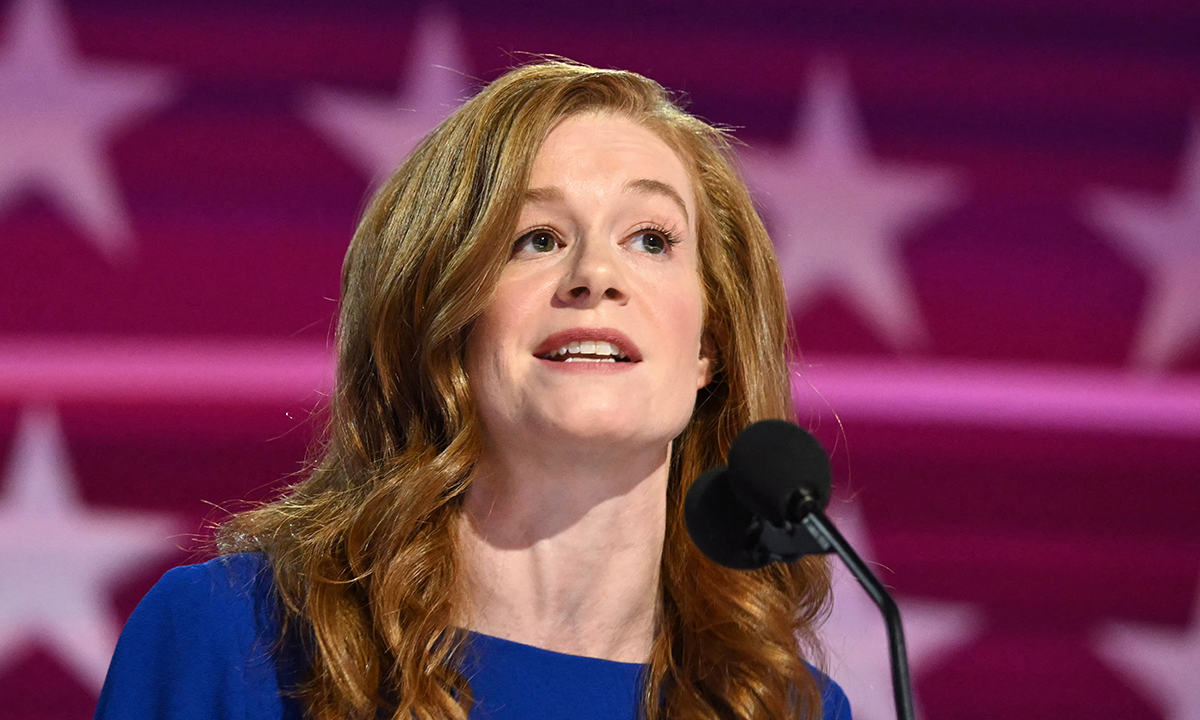
Mallory McMorrow announced Sunday that she is suspending her campaign for the U.S. Senate, reshaping the Democratic primary with just weeks to go before the Aug. 4 contest. McMorrow, a Michigan state senator, emphasized that her campaign was built on small-dollar donations and a pledge not to accept corporate PAC money.
Because ballots were already printed and some absentee ballots distributed, McMorrow’s name will remain on the Aug. 4 ballot, Bridge Michigan reported. That means voters may still see her listed on the ballot even though she has suspended active campaigning.
Mallory McMorrow
What happened
McMorrow posted a short video on X announcing she was suspending the race. In the message she thanked staffers, volunteers and donors who supported her run and said she would not continue active campaigning. The suspension effectively narrows the Democratic primary field with limited time before ballots are cast.
The formal withdrawal leaves the Democratic primary as a head-to-head contest between Rep. Haley Stevens and former Wayne County Health Department director Abdul El-Sayed. Political observers expect the winner to face Republican Rep. Mike Rogers in November in what many describe as one of the cycle’s competitive Senate races.
Mallory McMorrow’s statement and campaign profile
In her video, McMorrow highlighted that her operation relied on “small-dollar donations” and said it accepted “no corporate PAC money.” She urged supporters to rally behind the eventual Democratic nominee and praised the volunteers who sustained her grassroots effort.
McMorrow directly told viewers, “Whoever wins this primary on August 4th will have my full support,” and urged continued organizational work to help Democrats win in November. Her emphasis on grassroots funding and refusal of corporate PAC cash was a central theme of her campaign and a point of contrast with better-funded opponents.
Her exit removes a progressive, small-donor option from the active race but does not eliminate the policy debates — including health care and economic priorities — that shaped her candidacy.
How the primary field now looks
With McMorrow stepping aside, the Democratic nomination fight is a straight contest between Stevens and El-Sayed. Stevens has secured high-profile endorsements, including from Senate Majority Leader Chuck Schumer, and has focused her messaging on electability and kitchen-table economic issues such as lowering costs and defending manufacturing jobs.
El-Sayed has advanced a more progressive policy platform, including support for Medicare for All, and has positioned his campaign as an insurgent challenge to party insiders and big-money influence. He and his allies have alleged substantial outside spending targeted at shaping the outcome of the primary.
Reactions from Stevens and El-Sayed
Stevens praised McMorrow as “an important voice” for Michigan families and reiterated that she believes she is best positioned to beat Mike Rogers in November. Stevens said she will continue making her case to voters across the state in the remaining weeks before the primary.
El-Sayed thanked McMorrow for raising issues he said are central to grassroots Democrats and used the moment to criticize what he described as heavy spending by party insiders aimed at influencing the race. He claimed that powerful interests had spent large sums against his campaign and against McMorrow — an allegation that has been made publicly by him and his supporters but not independently verified in the reporting cited here.
What comes next for Aug. 4 and November
Because ballots were printed and some absentee ballots already distributed before McMorrow suspended her campaign, election officials told Bridge Michigan that her name will remain on ballots for the Aug. 4 primary. Voters who received absentee ballots before the suspension could still see her listed as an option.
The Aug. 4 primary will determine the Democratic nominee who will face Republican Mike Rogers in November. With the primary now a two-way race, turnout, endorsements and the allocation of campaign resources over the next weeks will be decisive for both campaigns. Campaign infrastructure and organizer networks that supported McMorrow could influence turnout patterns if redirected to one of the remaining nominees.
In the general election, analysts expect competitive spending and messaging as both parties assess the most effective paths to victory in Michigan. The consolidation of Democratic voters behind a single nominee will be a key factor shaping strategy ahead of November.
Source and context
This report draws on coverage by Fox News and a Bridge Michigan report that specifically noted ballots had been printed and some absentee ballots distributed before McMorrow’s suspension. Some claims about large-scale outside spending cited by candidates are allegations and have not been independently verified in the reporting cited here.
Original reporting: Fox News; on ballot printing and absentee distribution: Bridge Michigan.