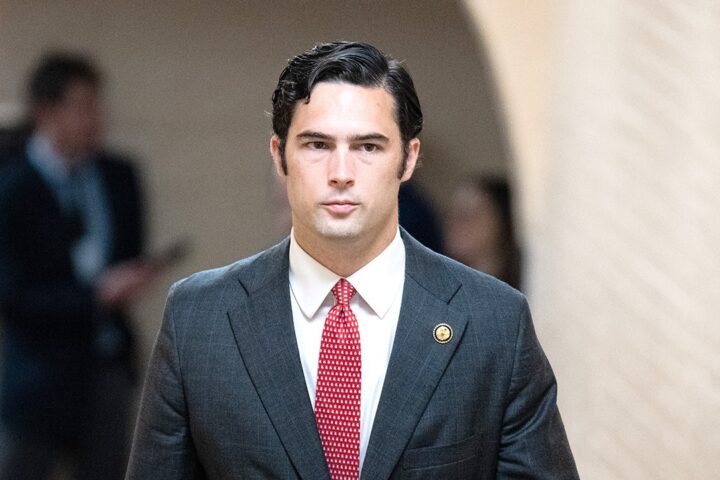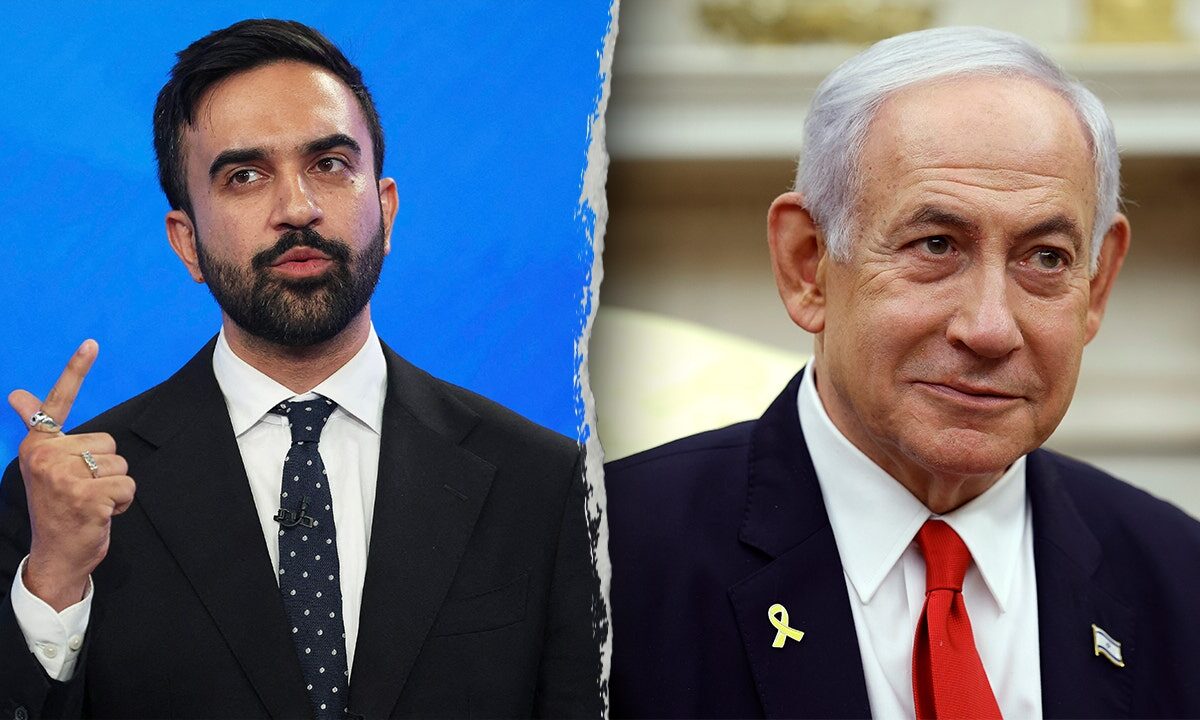
“Whatever the law allows me to do in New York City, that’s what we will do,” Zohran Mamdani said, thrusting the city into a legal and political debate after he disclosed that New York City attorneys were exploring whether the NYPD could arrest Israeli Prime Minister Benjamin Netanyahu during his expected visit for the U.N. General Assembly.
“I believe that Prime Minister Netanyahu belongs in ‘The Hague.’ He’s a war criminal who has been charged by the International Criminal Court,” Mamdani said, according to reporting.
What Zohran Mamdani said and why it drew attention
Mamdani framed the inquiry as part legal question, part political statement. He told reporters that the New York City Law Department was reviewing whether any municipal authorities could take action tied to an International Criminal Court warrant while the U.N. General Assembly brings heads of state to Manhattan.
The remark drew immediate attention because the U.N. session places visiting leaders on New York soil under a mix of municipal presence and federal diplomatic oversight. Local mention of the NYPD and a formal legal review raised quick questions about what powers, if any, a city can exercise in such circumstances.
Legal barriers: why an ICC warrant faces limits in the U.S.
The International Criminal Court issued arrest warrants in late 2024 that are the basis for the scrutiny Mamdani cited. The United States is not a party to the Rome Statute that created the ICC, and that status narrows formal cooperation possibilities.
Federal statutes and long-standing policy limit domestic agencies’ obligations to assist the ICC. In practice, diplomatic immunities, head-of-state protections and principles in international law — including customary immunities recognized in U.S. practice — present significant legal obstacles to any local attempt to detain a visiting head of government.
Legal scholars and officials note that a municipal arrest that implicates a foreign leader would almost certainly raise federal questions. The State Department, the Department of Justice or other federal actors could assert primacy over foreign-affairs decisions and move to block or enjoin local action.
Political backlash and local responses
Reaction split along partisan lines. House Republicans criticized Mamdani’s comments as theatrics and urged a focus on city governance rather than international enforcement. Former Mayor Eric Adams and Councilwoman Vickie Paladino publicly warned that such proposals could harm the city’s interests and complicate federal diplomacy.
Supporters of Mamdani said a legal review by the Law Department is reasonable and that municipal leaders have a duty to explore avenues for accountability. Critics countered that the practical and legal barriers make arrest highly unlikely and that the statements risked escalating tensions.
Practical logistics and what city attorneys said they are doing
The mayor-elect’s team confirmed the New York City Law Department is conducting a review and said the NYPD would act only on legal guidance. City attorneys typically prepare written opinions when a matter touches foreign policy or diplomatic law and often coordinate with federal counterparts.
No arrest plan has been outlined. Officials emphasized that any decision would require assessing federal law, international immunities, and operational realities around U.N. headquarters. The Mayor’s Office did not immediately provide additional comment beyond confirming the review.
What comes next and why it matters for New York
In the short term, expect a formal legal opinion from the Law Department and likely outreach with federal agencies to clarify jurisdictional lines. The federal government retains primary authority over diplomatic relations and could step in if a municipal action threatened to interfere with foreign policy.
Politically, the episode will shape Mamdani’s early calendar. How the city balances legal caution with political messaging could affect relationships with federal officials, community groups and voters as world leaders arrive for the U.N. General Assembly.
Background: the ICC warrant and U.S. stance
The ICC issued warrants tied to alleged offenses connected to conflict in Gaza; Israel has rejected the court’s jurisdiction. The U.S. has historically resisted ICC authority and remains outside the Rome Statute, a posture that informs legal skepticism about domestic enforcement of ICC actions.
FAQ
Can New York City enforce an ICC arrest warrant on a foreign leader?
Short answer: almost certainly not. U.S. non‑party status to the Rome Statute, federal statutes and diplomatic immunities make city-level enforcement of ICC warrants legally improbable.
What legal protections shield visiting foreign leaders during the U.N. General Assembly?
Visiting heads of state and government typically enjoy diplomatic and head-of-state immunities for official acts. The unique security and protocol arrangements around the U.N. further complicate any local enforcement action.
Could federal authorities block any city attempt to detain a visiting head of state?
Yes. Federal agencies control foreign policy and could intervene to prevent a municipal action that interferes with diplomatic relations or international obligations.
Source: Fox News – Mamdani pummeled online as critics call possible Netanyahu arrest ‘pure political theater’.