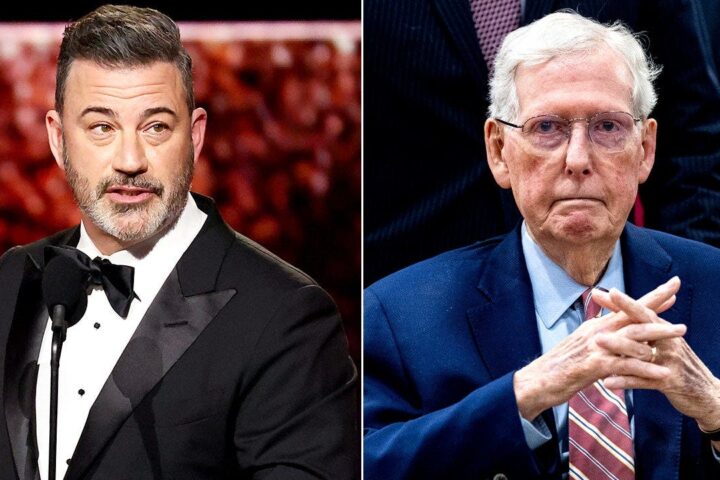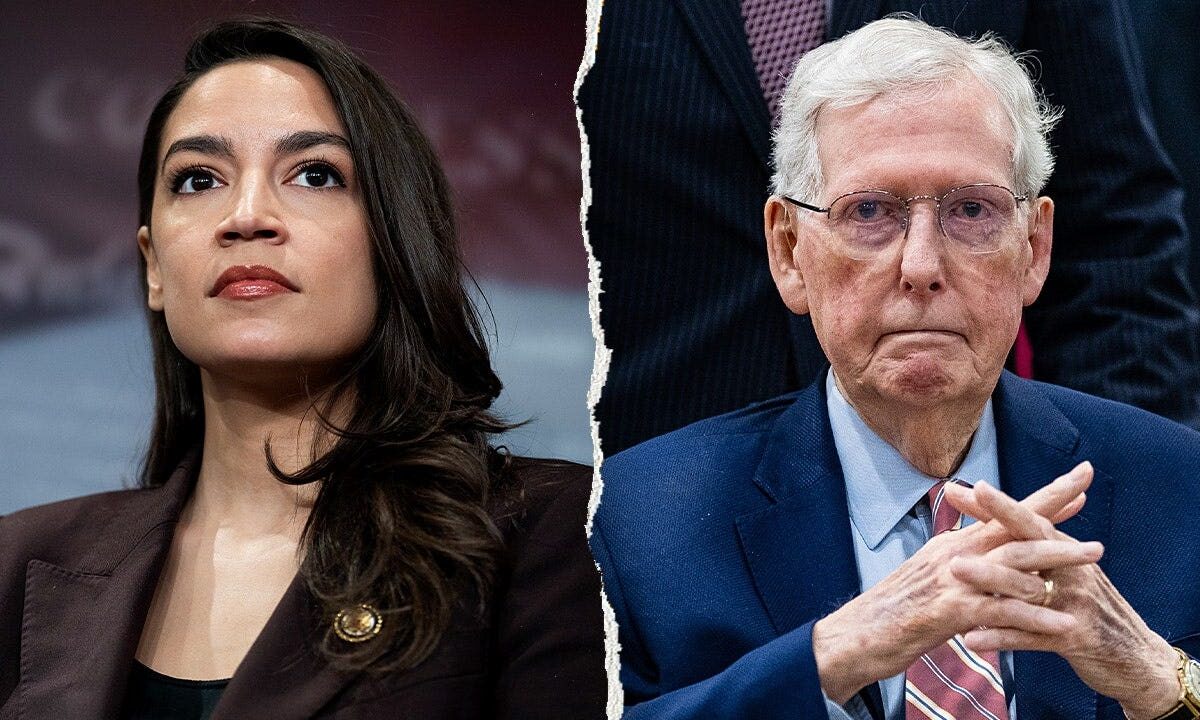
Senate Republican leader Mitch McConnell has been away from the Senate since June 14, and his McConnell prolonged absence is drawing new scrutiny from lawmakers, staff and voters. McConnell’s office disclosed that a childhood bout with polio contributed to a fall that briefly left him unconscious and that he developed a mild case of pneumonia during recovery. In a public statement released by his office, McConnell said he would not “be able to return to the Senate floor to vote quite yet,” without providing a specific timetable for when he might resume floor voting.
What we know so far
Mitch McConnell has been absent from Senate floor activity since he was hospitalized on June 14. His office attributed the immediate cause to a fall affected by long-term medical effects from childhood polio and then disclosed that he experienced a mild case of pneumonia while recovering.
The official statement from McConnell’s office included the line that he would not “be able to return to the Senate floor to vote quite yet,” a phrase cited widely in reporting and in comments from other lawmakers. The office also released a photograph of McConnell with his wife taken in the hospital as part of that public statement.
Since the announcement, unverified online claims and speculative reports about McConnell’s condition have circulated. Those reports remain unsubstantiated; available public information consists of the office statement and subsequent comments from senators and House members.
GOP and Democratic reactions
Democratic lawmakers and some progressive figures criticized the level of detail provided and pressed for clearer disclosure. Rep. Alexandria Ocasio-Cortez (D-N.Y.) asked, “How is everyone pretending this is normal?” and added, “This is not normal. At all,” calling attention to what she described as an unacceptable lack of information about an elected leader’s extended absence.
Republican senators offered a different emphasis, focusing on continuity and confidence in McConnell’s role. Sen. Roger Marshall (R-Kan.) praised McConnell’s resilience, saying, “Leader McConnell is tough as nails,” and noting, “This guy survived polio,” in remarks defending the senator’s determination and history of recovery.
Other Republicans urged caution against speculation. Sen. Kevin Cramer (R-N.D.) told reporters that when leaders are not fully forthcoming, “you do leave the conclusion up to conspiracy theorists,” and said GOP leadership has been in “regular conversations” with the senator’s team and remains confident McConnell will return for essential votes.
Why McConnell prolonged absence matters to the Senate
An extended absence by a party leader has immediate practical and political implications. The Senate is closely divided; leadership presence affects scheduling, negotiating leverage and the ability to marshal votes on confirmations and legislation. When a leader is away, colleagues must reassign duties such as floor management, whip operations and public messaging.
Beyond vote counting, the absence raises transparency questions for constituents who expect information about the health and availability of elected officials. Observers from both parties noted that prolonged or ambiguous absences can erode trust and fuel partisan disputes over how much the public should be told about a lawmaker’s capacity to serve.
McConnell remains the Senate Republican leader and has said he will finish his term and retire the following year. Still, the timing of his absence intersects with periods when the Senate may face consequential confirmation votes and other high-stakes items that put a premium on clear leadership lines.
Legal and procedural questions
Some critics have framed the situation in legal terms, asking whether McConnell’s prolonged absence raises statutory or procedural problems. That question reflects political concern more than established legal violation: there is no federal law or Senate rule that mandates a sitting senator be physically present on the chamber floor at all times to retain office or party leadership.
Senate rules and precedent allow members to vote by proxy only when the chamber permits it under adopted procedures; leadership roles are determined by party caucuses and can be executed through delegation of responsibilities. In practice, leadership functions — from negotiating to organizing votes — can be handled by other senators when necessary, though that can change political dynamics and strategy.
Calls for new rules or statutory disclosure requirements are political proposals, not settled law. Observers say debates over whether to require more regular health disclosures or clearer temporary transfer mechanisms would involve trade-offs between privacy, medical confidentiality and public accountability.
What comes next
In the near term, Republican senators have said they expect McConnell will be present for any key votes that require his direct participation. Several GOP lawmakers told reporters they remain in frequent contact with him and with leadership staff and expect to manage floor strategy until he can return.
McConnell’s office has not provided a precise date for his return to the Senate floor. That uncertainty means both parties are likely to continue issuing public statements pressing for different outcomes: Democrats pressing for greater disclosure or temporary safeguards, and Republicans emphasizing continuity and the expectation that McConnell will resume duties when medically cleared.
Practical next steps will include monitoring official updates from McConnell’s office, requests from colleagues for more information about capacity and timing, and potential internal party decisions about who will assume specific duties during his absence. The broader political debate over disclosure standards for elected officials is also likely to continue in the coming weeks.
FAQ
Is McConnell required to be in the Senate to hold his leadership role?
No. Party leadership positions are determined by caucus and are not contingent on constant physical presence on the chamber floor. Leaders can exercise influence and direct operations while delegating certain duties.
Is McConnell’s prolonged absence legal under Senate rules?
There is no clear legal prohibition on a senator being absent for an extended period for medical reasons. Questions about legality raised in public debate reflect political concerns rather than an identified statutory violation.
When might McConnell return to the Senate floor to vote?
McConnell’s public statement said he would not “be able to return to the Senate floor to vote quite yet” and did not set a return date. Republican senators have expressed confidence he will be back for important votes, but no firm timetable has been released.
Source attribution
This article is based on the public statement released by Sen. Mitch McConnell’s office and reporting from Fox News covering lawmakers’ comments and reactions. Additional context reflects public remarks by Rep. Alexandria Ocasio-Cortez (D-N.Y.), Sen. Roger Marshall (R-Kan.), and Sen. Kevin Cramer (R-N.D.) as reported in that coverage. For the Fox News report cited in reporting, see: https://www.foxnews.com/politics/this-not-normal-aoc-unloads-mcconnells-prolonged-absence
All direct quotes in this article are attributed to the speaker named at the point of quotation. Where official statements or office releases are referenced, attribution to the office of Sen. Mitch McConnell is used.