Senate Democrats blocked a procedural hurdle for the National Defense Authorization Act (NDAA) on the floor, halting immediate action on the yearly Pentagon authorization as lawmakers sparred over Iran war authorities and a $1.15 trillion funding target.
The rare intraparty revolt came after objections to both policy language tied to operations related to Iran and concerns about where the large funding increase would be found. The standoff leaves a familiar must-pass measure in limbo while both parties discuss paths forward.
NDAA vote: what happened
Senate Democrats refused to clear a procedural step needed to advance the NDAA, blocking the bill from moving forward at that moment. The procedural motion failed after a sizable bloc of Democrats signaled opposition on the floor.
Signs of the split appeared in committee: nine of 13 Senate Armed Services Committee Democrats voted against advancing the package, signaling organized resistance that carried onto the floor debate.
Why Democrats objected
Democrats said their objections centered on two linked problems: renewed wartime authorities tied to Iran and the bill’s top-line funding level. Sen. Tim Kaine, D-Va., called the Iran question “one of the major issues about the NDAA” and urged clarity about “where exactly the staggering $1.15 trillion authorized by the bill would come from.”
Senate Minority Leader Chuck Schumer framed the objection sharply on the floor, warning the NDAA should not become “a permission slip for that recklessness that we see occurring in Iran,” and saying the chamber needed to avoid rubber-stamping actions he described as unauthorized.
Republican response and amendment path
Republicans urged moving ahead so senators could use the amendment process to address objections. Sen. Rick Scott, R-Fla., told reporters, “So I think we ought to, you know, get on the bill and if we need to do amendments, let’s start amending it.”
Other GOP senators said the Democratic hold risked appearing to undercut support for troops. “It’s about supporting our troops, supporting our military, and it’s disappointing when Democrats play games with that,” Sen. Jim Banks, R-Ind., said.
GOP leaders argued opening the bill on the floor would let senators propose targeted changes through amendments rather than derailing the authorization entirely — a standard Senate route to reconcile competing priorities on a must-pass package.
Budget and oversight questions
Beyond the Iran dispute, Democrats pressed concerns about the $1.15 trillion authorization, asking where the money would come from and whether oversight guardrails would accompany any expanded authorities related to active operations.
As Sen. Kaine put it, “The absence of knowing where this money is coming from to do this dramatic top-line increase? That still has to get resolved.” Lawmakers on both sides said they support the military even as they sparred over policy and pay-fors.
The debate highlights the balancing act between sustaining defense capabilities and ensuring civilian oversight and budgetary transparency when authorizing large increases tied to active military matters.
What comes next in the Senate
The immediate consequence is a pause: the NDAA cannot proceed on the floor until the procedural block is resolved. Republicans say they will press onward, using amendments to try to bridge differences, while Democrats indicate they want substantive changes or clarity before allowing floor consideration to proceed.
Options include continued negotiations between leadership, a new procedural motion once conditions change, or opening the bill and resolving disputes through amendment packages if enough senators agree. Timing remains uncertain as leaders weigh political costs against the practical need to address Pentagon authority and funding ahead of other deadlines.
By the numbers
• Top-line authorization in the package: $1.15 trillion.
• Committee division: Nine of 13 Senate Armed Services Committee Democrats voted against advancing the bill.
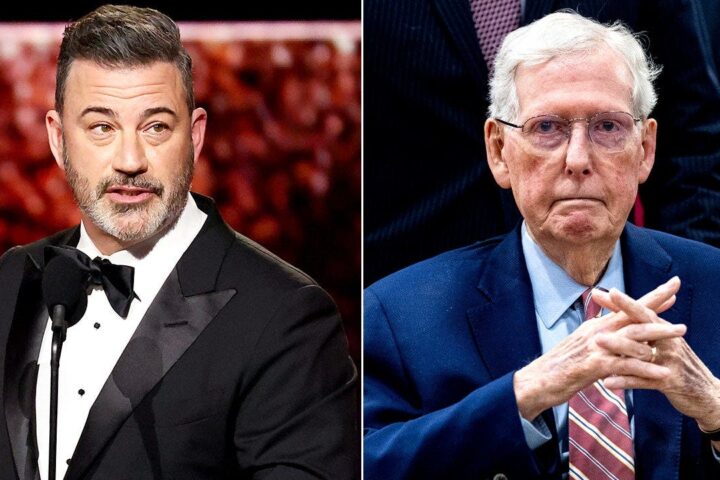
Source: Fox News — Senate Dems draw rare line against must-pass Pentagon bill. Image: Senators debate the NDAA and Iran war concerns.