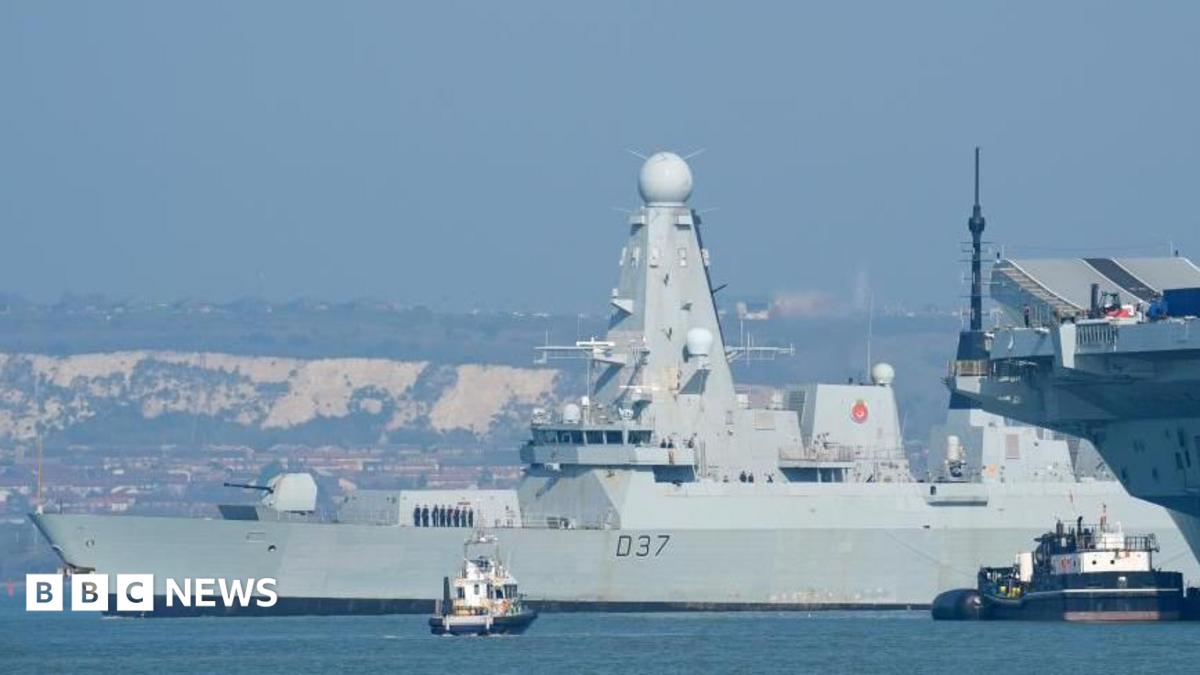
The government says it will prioritise building hybrid warships as part of a shift away from immediately replacing ageing destroyers, officials announced on Monday. The claim, made in public statements and summarised in media coverage, frames hybrid platforms and drone-equipped vessels as the preferred route in the upcoming defence investment plan.
Government spokespeople have presented the approach as a way to modernise naval capability while managing costs and operational risk. The announcement sets broad procurement intent rather than confirming contracts, delivery dates or final budgets.
What the government announced: hybrid warships
Officials told ministers and the public that investment emphasis will be on hybrid warships—crewed vessels designed to operate alongside or deploy autonomous systems—rather than an immediate programme to replace every ageing destroyer with a like-for-like new destroyer.

The government described the move as intended to give the Navy greater flexibility. In statements summarised by BBC News, ministers said the hybrid concept would pair human crews with unmanned platforms and remote systems to extend surveillance, reconnaissance and other operational tasks.
Those statements are being presented as a policy direction to be embedded in the defence investment plan, not as an immediate procurement award. Officials emphasised intent and capability goals rather than contractual commitments.
What we know about procurement: drone-equipped vessels
Officials highlighted drone-equipped vessels as complementary capabilities in the new approach. The picture given is of larger hybrid ships deploying or controlling smaller unmanned surface and aerial vehicles for tasks such as persistent surveillance, mine countermeasures and area monitoring.
The defence investment plan, due to be published in the coming months, is where the government says further detail will appear. That plan should, in principle, set out proposed funding envelopes, indicative timelines and high-level procurement phasing, but the announcement so far is a statement of direction rather than a binding procurement schedule.
Observers who spoke to media noted that acquiring unmanned systems and integrating them into fleet operations requires changes to command arrangements, doctrine, training and maintenance routines. The government has signalled it expects industry and the Royal Navy to adapt to mixed crewed-uncrewed operations.
Why the shift matters for the Navy
A shift towards hybrid warships and drone-equipped vessels would change the Navy’s fleet mix and how it projects power at sea. Hybrid platforms could allow one crewed ship to oversee multiple uncrewed units, extending situational awareness without increasing crew size proportionately.
Ageing destroyers have been a core element of the fleet’s high-end capabilities, tasked with air defence, fleet protection and strike coordination. Government statements acknowledge that those destroyers continue to provide capability while the new approach is developed.
For sailors and defence planners, the change implies new training pipelines, altered maintenance patterns and revised logistics. It may also affect shipbuilding requirements and the types of skills needed in yards and supply chains if design emphasis moves from large, heavily crewed platforms towards modular decks and unmanned systems integration.
Industry implications could include a shift in demand toward specialist electronics, autonomy software and smaller unmanned craft, while traditional shipbuilding work remains important for hulls, propulsion and survivability features on the hybrid platforms. Officials say they intend to work with industry to manage that transition.
Limits, unanswered questions and caveats
Key details were not provided in the initial announcement. Officials did not publish firm timelines for construction or delivery, nor did they release cost estimates tied specifically to the hybrid approach.
Other open questions include how many hybrid warships will be ordered, whether some destroyer roles will be retained as-is, and how existing vessels will be phased out or refitted. There is also uncertainty about the balance of investment between crewed platforms and the uncrewed systems they would deploy.
Importantly, government sources framed the measures as intended policy choices. The statements indicate direction and priorities for the defence investment plan but stop short of irreversible commitments. Final decisions will depend on the published plan, budget allocations and parliamentary scrutiny.
Source and next steps
The defence investment plan is expected to provide more concrete proposals, including possible timelines and budget allocations. When the plan is published, Parliament and defence committees are likely to examine the numbers, procurement sequencing and the implications for current fleet readiness.
For now, the announcement is best read as the government signalling a procurement strategy: prioritise hybrid warships and drone-equipped vessels to modernise capability while attempting to control costs and risks. Any operational or industrial impacts will become clearer only after the defence investment plan is released and subjected to public and parliamentary oversight.
Source: This report is based on a government announcement summarised by BBC News. The BBC coverage provided the basis for the claims about the government’s intent; the government has not yet published final procurement documents.
FAQs
What happened with hybrid warships?
The government announced it will prioritise hybrid warships that operate alongside drone-equipped vessels instead of immediately replacing ageing destroyers on a like-for-like basis. The statement sets policy direction but does not confirm contract awards or delivery dates.
Why do hybrid warships matter?
Hybrid warships matter because they could change how the Navy projects force and manages risk. Pairing crewed ships with uncrewed systems can extend surveillance reach and reduce exposure of personnel, but it may not replace all functions of existing destroyers.
What happens next?
The defence investment plan will outline budgets and more detailed proposals. Expect detailed figures and timelines to emerge with that plan and for Parliamentary and defence committee scrutiny to follow before any final procurement decisions are made.
Attribution: This report is based on a government announcement summarised by BBC News.