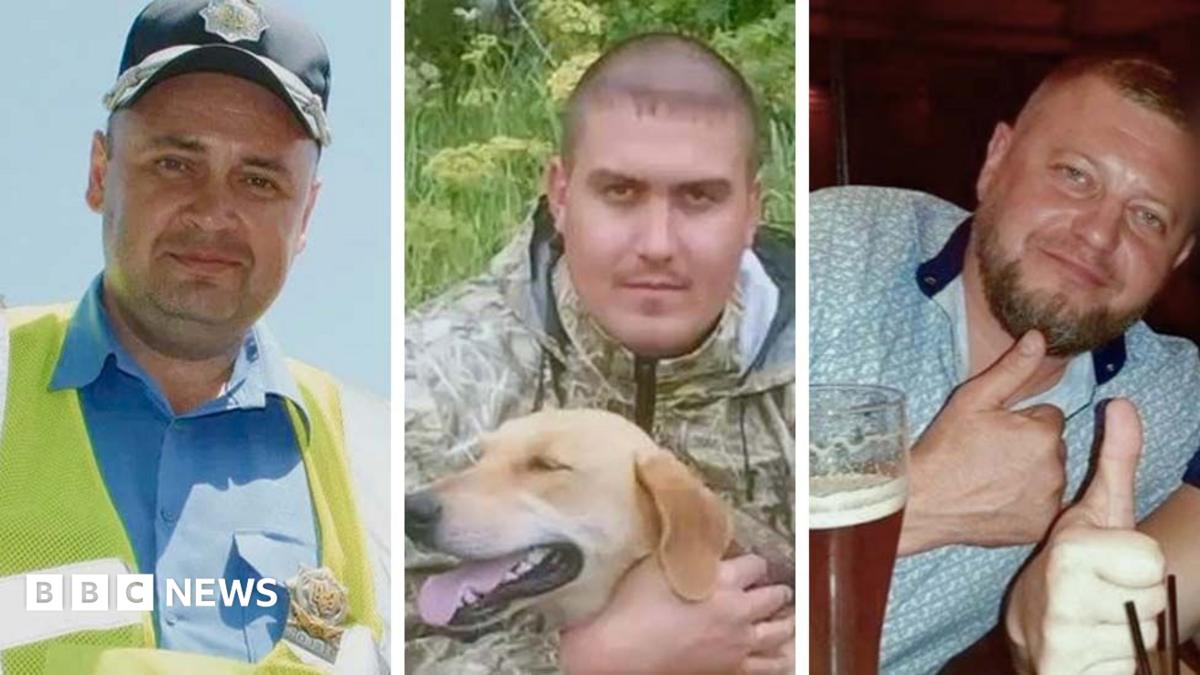
A BBC investigation has documented testimony and material that former prisoners and advocates say shows “Russia torture prisons in Ukraine.” The report compiles survivor accounts, corroborating documents and mapping that survivors say should form the basis for probes and possible trials of alleged jailers and officials.
What the BBC found about Russia torture prisons in Ukraine
The BBC News investigation assembles interviews with former prisoners, documentary material and other evidence to identify sites where survivors describe detention and abusive treatment. The outlet maps locations and names people it says survivors pointed to as being responsible for running the detention centres.
The BBC frames its findings around testimony and material it reviewed, noting that survivors described conditions and treatment that led them and advocates to refer to the places as “torture prisons.” The report does not itself make a judicial determination, but presents accounts and documentary traces that it says corroborate those accounts.
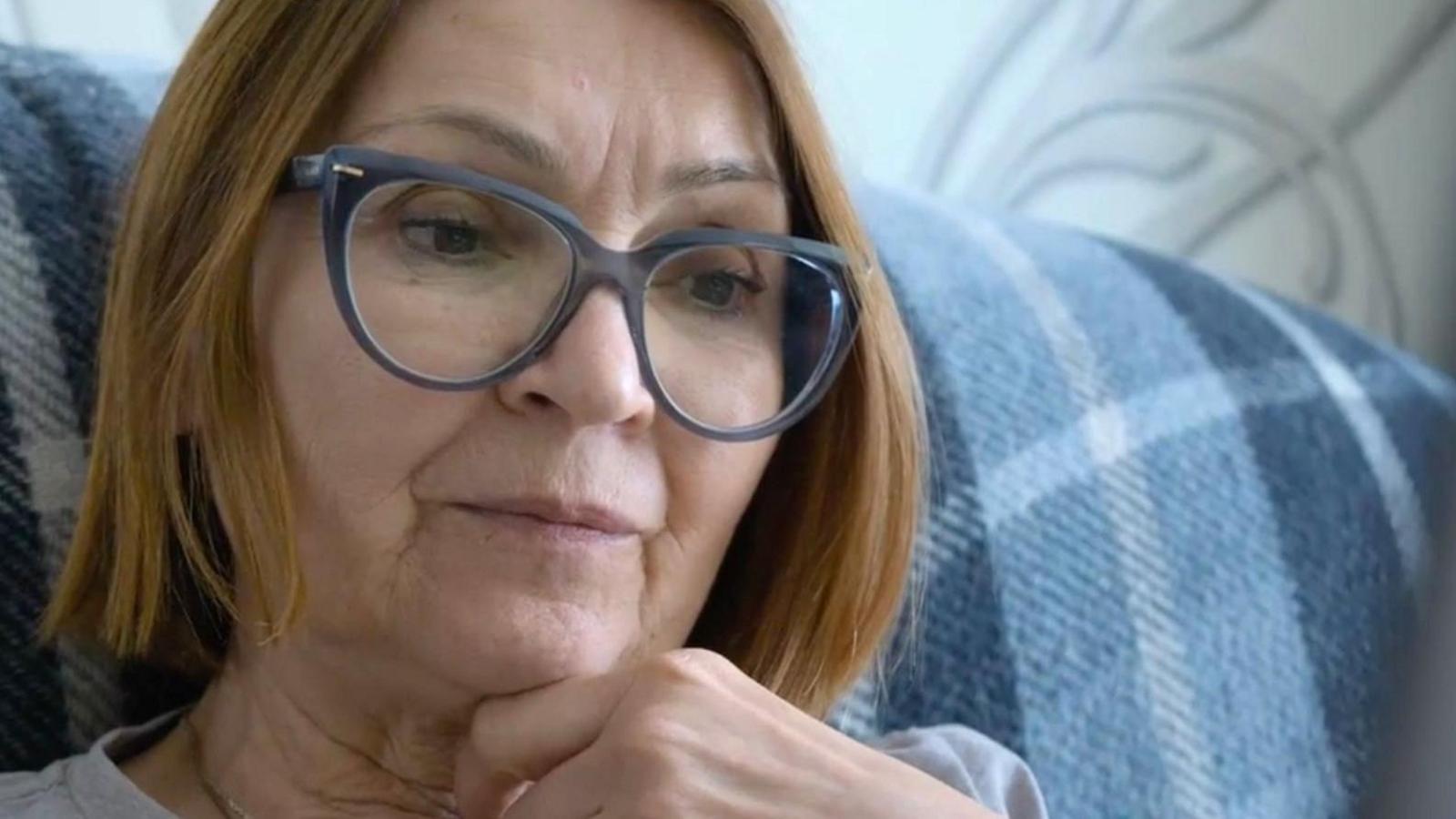
“Jailers and officials at Russia’s ‘torture prisons’ in Ukraine” — BBC News
Allegations from former prisoners
Former prisoners interviewed for the BBC piece described a pattern of mistreatment, and the investigation records their accounts alongside other material. Survivors said they were detained in centres run by authorities they associated with Russian control in occupied areas of Ukraine. The BBC presents these testimonies with context and supporting documents where available.
Accounts cited in the report include claims of physical and psychological abuse, deprivation, and harsh confinement. The BBC places these testimonies within a broader picture drawn from multiple interviews and documentary evidence, and it emphasises that the term “torture prisons” reflects survivors’ descriptions rather than the result of a court ruling.
Calls for accountability and trials
Many survivors and their advocates told the BBC they want those they name as jailers and officials to face criminal trials. The report highlights that survivors are pressing prosecutors and international human rights bodies to investigate and, where possible, bring cases against alleged perpetrators.
However, the BBC also outlines practical and legal hurdles to turning testimony into indictments. Challenges include locating and securing witnesses, obtaining documentary or forensic evidence, and determining which national or international courts have jurisdiction. The report stresses that careful evidence collection, including preserving documents and witness statements, will be vital if cases are to proceed to trial.
Context and what comes next
Allegations of ill-treatment and detention during the conflict have been reported since Russia’s full-scale invasion began. Independent reporting, like the BBC’s, adds to the public record and can provide leads for investigators and prosecutors working on allegations of wartime abuses.
Possible next steps outlined by experts and implied in the BBC material include further independent investigations, forensic documentation of sites, securing and protecting witness testimony, and coordinated action by national prosecutors or international bodies able to pursue alleged crimes. Progress will depend on access to evidence, the ability to protect witnesses, and decisions about jurisdiction for prosecutions.
While the BBC presents survivor accounts and supporting material, turning those claims into legal findings will require formal investigations that test evidence in court. Survivors and rights groups told the BBC they hope the reporting will spur authorities to act and that collected material will help build cases where possible.
Frequently asked
What happened with Russia torture prisons in Ukraine?
The BBC investigation reports that former prisoners accuse jailers and officials of abuse in several detention centres and presents survivor accounts and other material documenting those claims.
Why does Russia torture prisons in Ukraine matter?
Allegations of systematic abuse in detention centres raise concerns about violations of human rights and international law. Survivors say they want accountability through trials of those they accuse.
What happens next?
Next steps could include further independent inquiries, forensic and documentary evidence collection, witness protection, and legal action by national or international prosecutors. The path from reporting to trial is complex and depends on corroboration, jurisdictional decisions and investigative access.
Reporting in this article is based on the BBC News investigation. For the original coverage, see the BBC’s piece: Jailers and officials at Russia’s ‘torture prisons’ in Ukraine exposed by BBC. The BBC’s reporting and the survivor accounts it publishes form the primary source material for this summary.