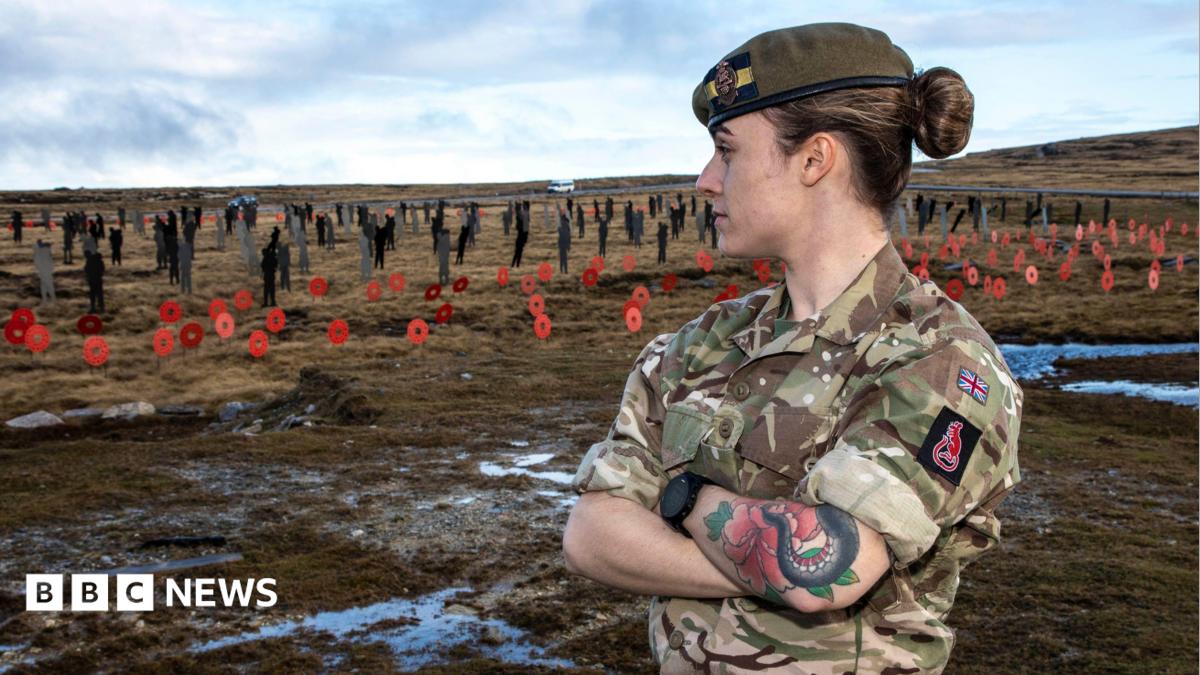
Service members report that properly fitting military kit is still hard to obtain for many women in the UK armed forces, five years after a landmark review highlighted the problem. Troops speaking to BBC News describe continued shortages, inconsistent sizing and logistical gaps that they say affect safety, training and operational performance.
What troops say about military kit
Service personnel who spoke to BBC News described occasions when women were issued kit designed for men or were asked to alter items themselves because the correct sizes were not in stock. Those accounts were presented as frontline observations rather than results of a formal study.
Troops told the BBC that poorly fitting items can be uncomfortable and distracting. When protective kit does not sit correctly or load-bearing equipment shifts, it can reduce confidence and require workarounds that are not ideal in training or operational settings. These reports emphasise that the problem is not always a lack of intent but often a shortfall in supply options and distribution.
What the landmark report said five years ago
Five years earlier, a landmark report identified gaps in how kit was designed, sized and supplied for female personnel and recommended changes to procurement, sizing ranges and stock management. The review led to commitments from defence planners to update specifications and broaden size options.
Implementation of those recommendations has progressed in some areas, officials say, but troops’ accounts to the BBC suggest the rollout has been uneven. Procurement cycles, testing and qualification of new designs can take months or years, and that delay helps explain why some units may still be waiting for revised supplies.
Timeline: the landmark report set out the problem and proposed reforms roughly five years ago. Since then, procurement reviews and trials of new items have been reported, but multiple procurement cycles and logistical adjustments mean full implementation across all units can stretch well beyond initial announcements.
Impact on servicewomen and operations
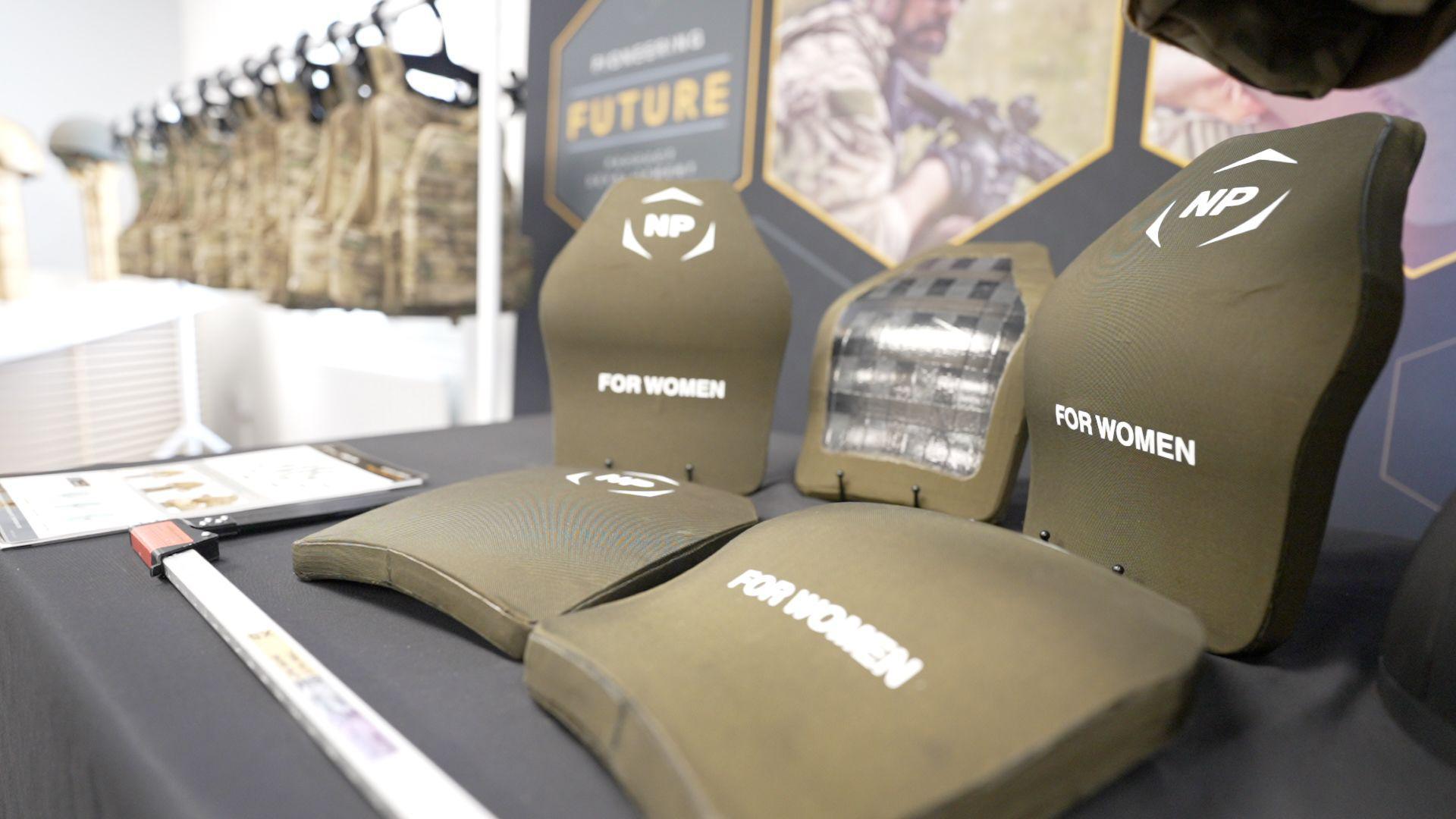
Practically, troops told BBC News that improperly fitting kit affects daily tasks, training outcomes and sometimes safety. Examples given include clothing that restricts movement, protective plates or helmets that do not sit correctly, and load-bearing systems designed around male body shapes that can shift during activity.
Leaders and trainers must often decide whether to issue available stock or delay training until appropriate kit arrives. While interim fixes — such as modifications, layered clothing or temporary reallocation of sizes — can reduce immediate problems, they do not solve the underlying supply and sizing issues flagged in the review.
What the military says and next steps
Defence officials have told ministers and oversight panels that work is under way to source a wider range of sizes, update technical specifications and adapt procurement to deliver better-fitting items. Official statements highlight testing, qualification processes and the complexity of supply chains as reasons why progress can be incremental.
The BBC’s reporting contrasts those official accounts with the experiences described by troops on the ground, noting that while policy changes have been announced, gaps remain in availability in some units. Officials say continued monitoring and supply-chain adjustments are planned, but they also acknowledge implementation will not be instantaneous.
Why this matters for recruits and readiness
Advocates and some serving personnel argue access to properly fitting military kit is linked to recruitment, retention and operational readiness. New recruits who repeatedly face ill-fitting clothing or equipment may experience added discomfort or performance limits that affect their decision to remain in the service.
Commanders see kit fit as part of readiness planning. Where equipment does not fit well, training may be less effective, and there can be added administrative burden in sourcing or modifying items. Over time, persistent equipment shortfalls can have cumulative effects on unit cohesion and personnel morale.
What comes next
The BBC report indicates officials intend to continue phased procurement and to use feedback from trials to refine specifications. Those processes aim to broaden the size range available and to ensure future contracts consider a wider variety of body shapes.
Troops who spoke to the BBC urged faster implementation and better stock distribution so that units receive the items they need when they need them. The balance between thorough testing and the speed of replacement remains a central challenge for procurement teams.
This article is based on reporting by BBC News and attributes frontline accounts to service personnel interviewed for that coverage. For the original reporting, see BBC News: Military kit still failing women, troops say.