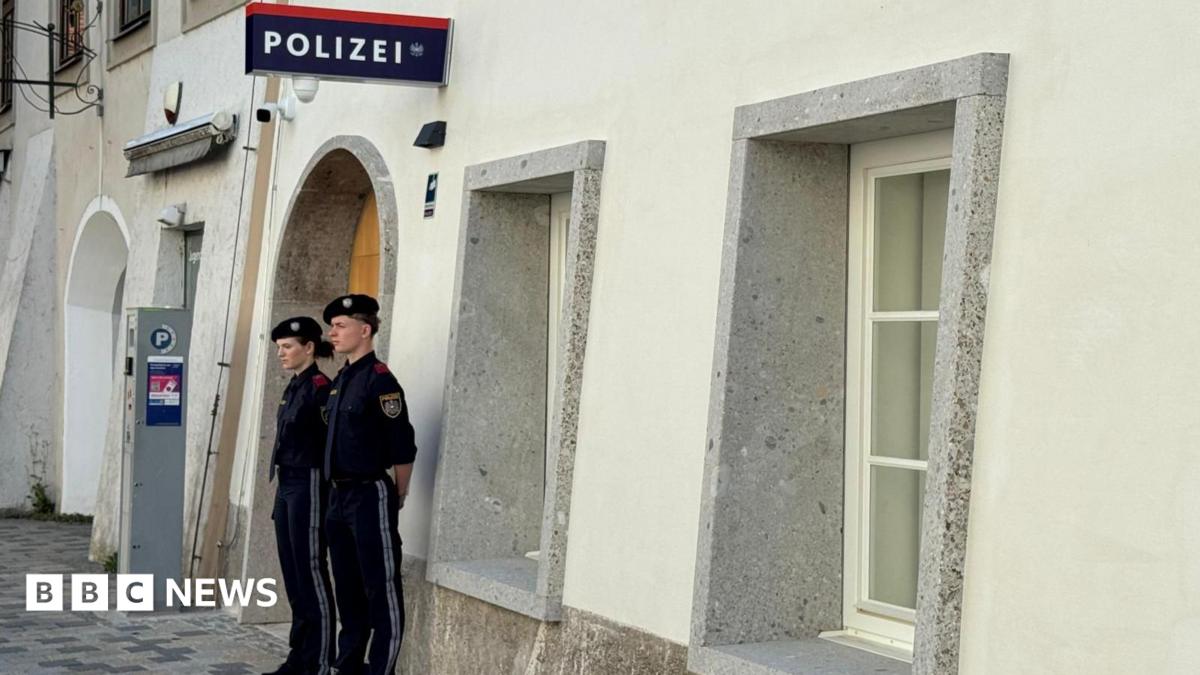
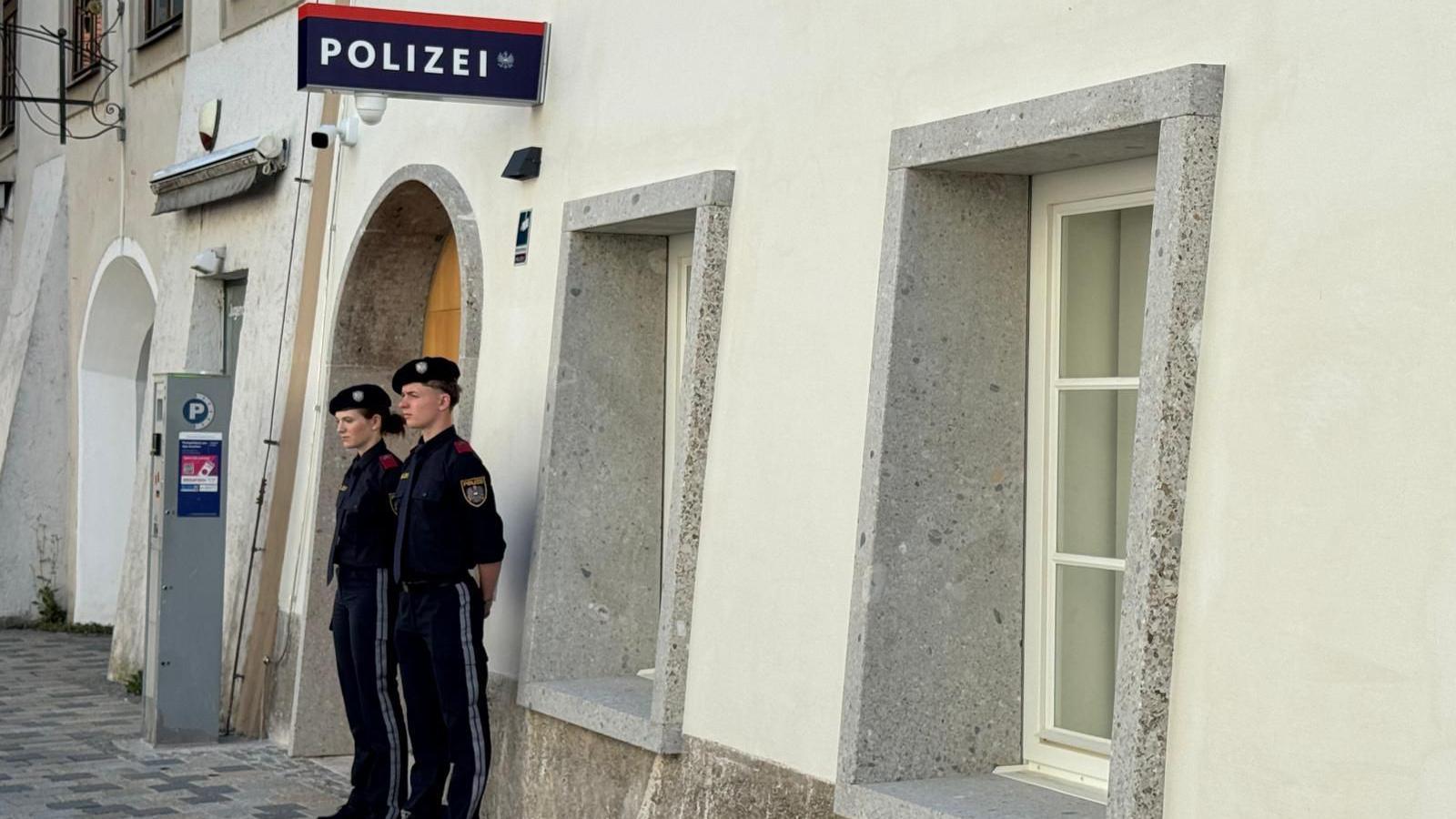
The Hitler’s birthplace police station has opened at the 17th-century former inn identified as the dictator’s birthplace, in a move officials say is intended to rid the site of its Nazi link. BBC reporting says local authorities converted the building into an active police post after years of debate about how to manage a site tied to an extremist past.
Local reaction and controversy
The conversion has divided opinion in the town, BBC reporting shows. Some residents and municipal officials welcomed the change as a practical step to disrupt pilgrimage by extremists and to reduce the building’s symbolic value.
Others described the measure as controversial, questioning whether a police presence is the best long-term approach for dealing with a highly sensitive site. BBC interviews and local commentary cited by the outlet record calls for alternatives including memorialisation, restricted ownership and other ways to handle the site’s history.
Public debate has focused on balancing the need to prevent the site being used for extremist purposes with community wishes and responsibilities to historical truth, BBC coverage notes.
Why officials chose a Hitler’s birthplace police station
Officials told BBC reporters they selected the police-post option to change the building’s daily use and public perception. Authorities were quoted as saying they hoped to “rid the site of its Nazi link” by giving it an ordinary civic function rather than leaving it vacant or commercially available.
The reasoning given to BBC was practical: an active, official occupant should make it harder for gatherings that glorify the dictator and easier to manage access and behaviour around the property. The police presence was described as a measure to ensure constant, official occupancy and rapid response to any problems.
What this means for the building and future plans
Operationally, the building will be used for local policing tasks, with officers based there to provide routine services to residents, BBC reporting says. That shifts the property into public-service management rather than leaving it as a privately owned or unoccupied site that might attract unwanted attention.
Legal and heritage implications remain subject to further local processes. BBC coverage indicates that any decisions on plaques, interpretive signage, or formal commemoration would require separate procedures involving municipal authorities and heritage bodies.
Observers quoted by BBC expect the immediate effect will be to reduce overt displays associated with the building’s past. Long-term outcomes will depend on continued management and whether stakeholders agree on formal preservation or educational measures.
Background: the building and its history
The structure is described in reporting as a 17th-century former inn and is widely identified in media accounts as the birthplace of the Nazi dictator. Over many years, local officials and residents debated whether to preserve, alter or otherwise repurpose the building to prevent it becoming a focal point for extremists.
Options discussed in past reporting included demolition, symbolic transformation, restricted ownership or active public uses. BBC reporting places this decision in that longer local context and records continuing disagreement about the correct civic approach.
What comes next
Local police and municipal officials are expected to publish operational details, including how the site will be staffed, hours of public access and any restrictions, BBC reports. Those operational rules will determine how much unsupervised access is possible and how gatherings are managed.
Separate processes would be needed to decide any formal memorialisation or educational interpretation. Community groups, historians and preservation stakeholders may continue to press for clear public information about the site’s past and for measures that prevent appropriation by extremist movements, according to BBC coverage.
Frequently asked questions
Why did officials open a police station at this site?
Authorities told BBC they converted the property to change its use, to reduce its appeal as a focal point for extremist visitors and to ensure constant official occupancy. BBC reported officials used the phrase “rid the site of its Nazi link” when describing the rationale.
Will the building still be identified as Hitler’s birthplace?
The building’s historical identification is part of public record and previous reporting. How that identification is presented to the public—through plaques, interpretation or omission—depends on separate heritage and municipal decisions and any applicable preservation rules.
How will the police station change access or memorials at the site?
Police management will make unsupervised access more difficult and reduce opportunities for unauthorised gatherings. Any formal memorial or interpretive features would require distinct deliberation by local government and heritage authorities, BBC reporting notes.
Source: BBC News – World. For original reporting see: BBC News.