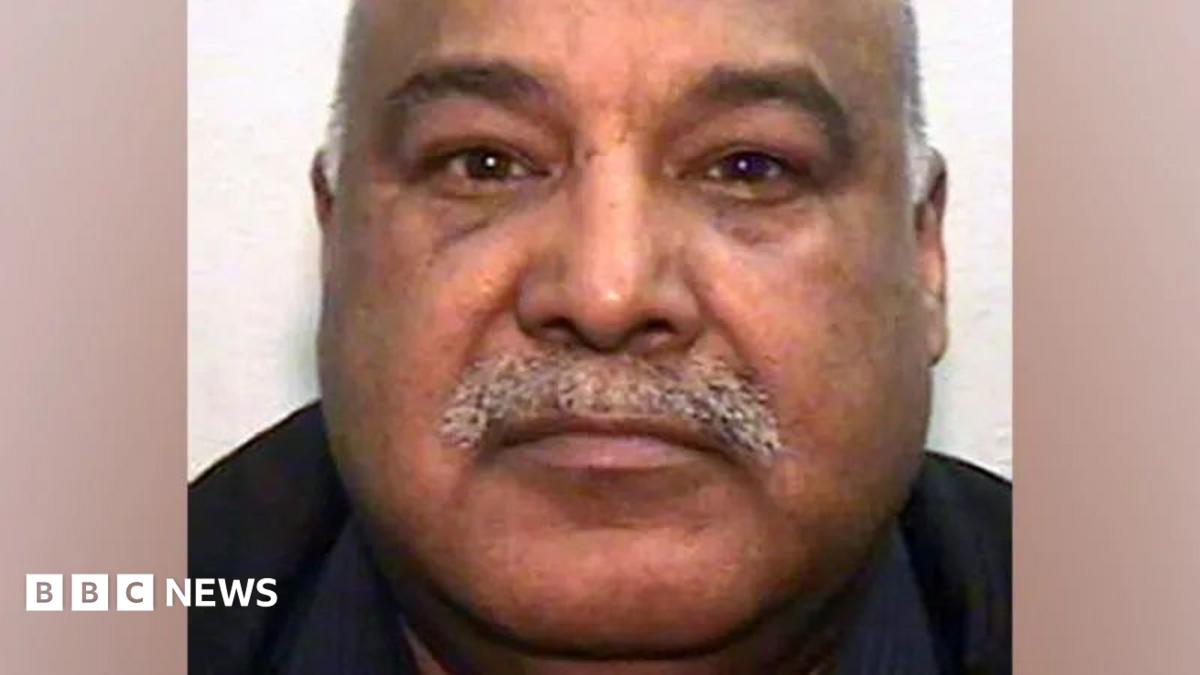
Ministers are preparing to set out a formal plan to seek the deportation of Shabir Ahmed after his recent release from prison, the BBC reports. The announcement is being framed by government sources as a response to renewed public calls in Rochdale and wider concern about the case.
According to BBC reporting, Home Office ministers will explain the legal options open to them, the practical routes for removal and the constraints that can limit or delay action. This article summarises the reported plan, explains how deportation proceedings commonly work in criminal cases and sets out the local reaction, while noting where claims are reported rather than established fact.
Immediate update from ministers on Shabir Ahmed
The BBC reports that Home Office minister Mahmood is due to outline the government’s approach, including which administrative or legal measures could be used following Mr Ahmed’s release from prison. The broadcaster says ministers will address public concern and explain statutory protections that must be observed.
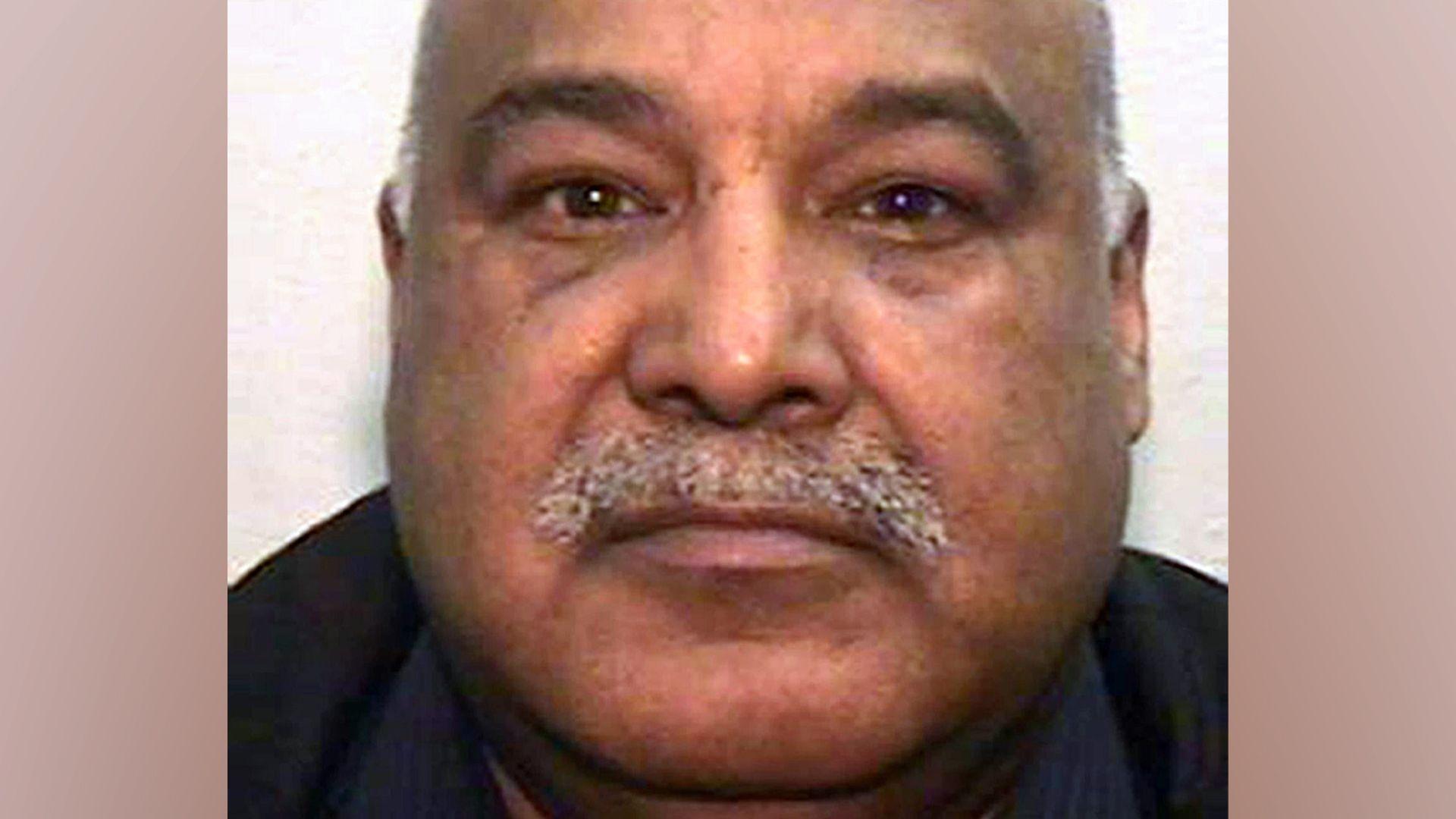
Officials speaking to the BBC say the update is intended to set expectations about what the government can and cannot do under immigration and human-rights law. Those officials reportedly emphasise that any removal process must still meet legal tests and can be challenged in the courts.
How deportation could work
Deportation after a criminal sentence involves separate immigration processes that run alongside the criminal justice system. The BBC’s reporting outlines that ministers will distinguish between immediate administrative powers and longer, contested legal routes. Key elements usually include:
- Nationality check and destination identification: authorities must confirm the person’s nationality and whether a receiving country will accept them.
- Legal basis for removal: ministers need lawful grounds under immigration law (for example, character or public-interest grounds) to start removal.
- Human-rights and deportation barriers: claims under human-rights law, family-life considerations and risks of ill-treatment abroad can delay or prevent removal.
- Appeals and judicial review: those facing deportation normally have rights to appeal or seek judicial review, which can extend the timeline considerably.
In plain terms, ministers can initiate processes quickly in some cases, but legal safeguards and potential appeals mean a reported intention to deport does not always lead to immediate removal. The BBC coverage cited by this report stresses those limits and describes them as part of the plan ministers will set out.
Rochdale reaction and public pressure
Locally in Rochdale, the BBC reports renewed calls from residents, victims’ groups and some local politicians for decisive government action. Campaigners have urged ministers to move quickly, saying the case has caused distress among victims and the community.
Ministers are said to have taken local pressure into account when preparing the update. The BBC’s account frames that public concern as a factor prompting the Home Office to explain its available options and the likely timetable for next steps.
What the minister says and next steps
The BBC reports that Mr Mahmood will set out a short plan describing the options under active consideration. Officials are expected to describe the steps officials will take to check nationality, evaluate legal grounds for removal and decide whether any immediate administrative action is lawful.
According to the reporting, the government will balance speed with ensuring statutory safeguards are respected. That means:
- a legal review to confirm whether removal is lawful in the individual’s circumstances;
- identification of a receiving state and assessment of travel logistics and safety;
Ministers have not, in the reporting cited, given fixed public deadlines. The BBC notes that exact timings often depend on case-specific legal checks and whether challenges are brought in the courts.
Source and legal context
This account is based on reporting by BBC News – Top Stories. Where descriptions of Mr Ahmed as linked to a Rochdale grooming gang or as a ‘ringleader’ appear in coverage, those are reported claims from the BBC and should be read as part of the broadcaster’s reporting rather than as established findings in immigration or criminal law unless upheld by a court.
Readers should also note that immigration and deportation processes can vary by individual circumstances, nationality and the receiving country’s willingness to accept returnees. The BBC reporting cited here emphasises the distinction between public pressure and the legal thresholds government ministers must meet.
For the original reporting, see the BBC piece: BBC News – Top Stories. This article summarises that coverage and flags where statements are reported claims rather than confirmed legal findings.
What happens next?
According to the BBC, ministers will publish an outline of options and the legal steps they intend to follow. Any tangible movement toward removal will depend on the outcome of nationality checks, legal reviews and whether appeals or human-rights claims are lodged.
Reporting suggests possible milestones ministers or officials may reference in their public update: an initial legal review, confirmation of nationality, notification of any removal decision, and the handling of likely appeals. Timetables in such cases are often indicative rather than fixed because of the potential for legal challenge.
Frequently asked questions
What happened with Shabir Ahmed?
The BBC reports there have been renewed calls to deport him following his release from prison and links him in its coverage to a Rochdale grooming gang. Descriptions of involvement are reported claims from that source.
Why does Shabir Ahmed matter?
The case has attracted attention because of public concern in Rochdale and wider calls for government action after his release. Ministers say they are responding to those concerns while observing legal safeguards.
What happens next?
Mahmood is expected to set out a plan describing legal routes and a timetable, but any deportation effort must meet statutory tests and may be subject to appeals or judicial review.
Source: BBC News – Top Stories (reporting cited and linked above). Descriptions of alleged offences or leadership roles in criminal activity are reported claims from that source and not treated here as established legal findings unless confirmed by a court.