US Iran tensions rose sharply after BBC reporting that US and Iranian forces exchanged fire near the Strait of Hormuz, and Iran later said it had struck US military bases in Kuwait, Jordan and Bahrain.
Latest: US Iran tensions and reported strikes
BBC News reported exchanges of fire between US and Iranian forces near the Strait of Hormuz. Within hours, Iranian authorities announced strikes on sites they described as US military bases in Kuwait, Jordan and Bahrain (Iranian claim, reported by BBC).
There was no immediate public confirmation from US or allied military officials at the time of the BBC dispatch. Journalists and officials continued to seek verification.
Timeline of events
Because reporting is evolving, the sequence below collects the main reported steps so far. Times and some details remain subject to confirmation by defence and government sources.
- Earlier in the day: BBC reported “fresh US attacks” in the region that preceded later developments.
- Hours later: Iranian statements said their forces had struck bases hosting US personnel in Kuwait, Jordan and Bahrain. These announcements were framed by Iranian authorities as retaliatory operations (Iranian claim — BBC).
- Subsequent reporting: International media and military spokespeople were contacted for corroboration; at the time of the BBC report, official US or coalition confirmations were not publicly available.
- Ongoing: Journalists are looking for on-the-ground reports, official military communiqués, and imagery that could corroborate or refute the claims.
Where this happened: Strait of Hormuz and the Gulf states
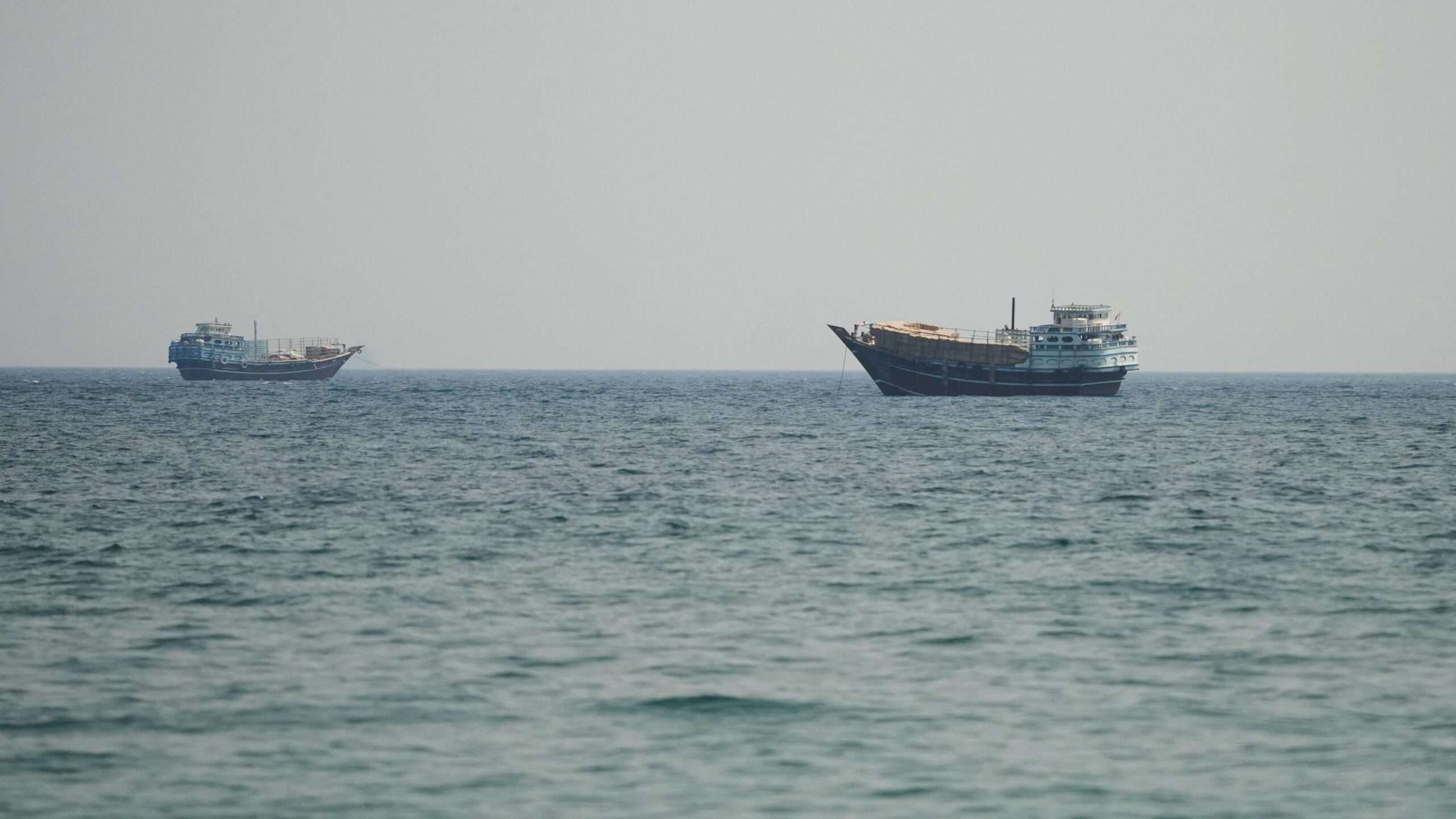
The Strait of Hormuz is a narrow sea lane between the Persian Gulf and the Gulf of Oman. A substantial share of global seaborne oil transits this route, so military incidents there have outsized economic and security consequences.
Kuwait, Jordan and Bahrain host US personnel, logistical hubs, or access points that support regional operations. Any reported strikes in or near these countries are therefore strategically significant and could affect military posture across the Gulf.
Verification and known limits
Iran’s announcements are presented here as claims by Iranian authorities. The BBC reported those statements, but independent confirmation from US or allied officials was not available in the BBC account. Treat such assertions as allegations until corroborated by multiple reliable sources.
Typical verification steps for incidents like this include:
- Official statements from US Central Command, allied militaries, or host-nation defence ministries confirming strikes, damage or casualties.
- Independent on-the-ground reporting from local journalists or authorities in Kuwait, Jordan or Bahrain.
- Open-source evidence such as satellite or drone imagery, commercial flight and ship-tracking data, and geolocated photos or video that can be authenticated.
At the time of the BBC article, those independent confirmations had not been reported publicly. Where possible, updates will include links to official releases or corroborating imagery.
Local impact and regional implications
Even unverified reports can immediately affect regional calculations. Shipping companies, insurers and commodity markets monitor the Strait of Hormuz closely because disruptions can increase costs and routing times for energy exports.
For civilians and military personnel in Kuwait, Jordan and Bahrain, reports of strikes can prompt official safety briefings, temporary restrictions around facilities, or contingency measures for bases and dependents—even before independent confirmation arrives.
Regional governments and international organisations typically weigh responses carefully to avoid inadvertent escalation; diplomatic channels and back-channel communications often run in parallel with public statements.
What comes next
Watch for these key developments (this box is updateable as new confirmations arrive):
- Official US, allied or host-nation confirmations or denials about any strikes, damage or casualties.
- Further detail from Iranian authorities, including any evidence they release to support their claim.
- Statements from regional partners, NATO or the UN, and any emergency diplomatic contacts or briefings.
- Practical changes such as maritime advisories, adjustments to shipping routes, or temporary force posture changes by coalition navies.
The risk of wider escalation will depend on whether claims are independently verified and on how quickly diplomatic or military actors act to de-escalate tensions.
Verification FAQ
Did Iran strike US military bases in Kuwait, Jordan and Bahrain? Iran has stated it struck sites it described as US bases, according to BBC reporting. That remains a claim until corroborated by US or allied officials or independent evidence.
Were any US personnel reported injured? The BBC report did not include independently verified casualty figures. Official military and government statements are the authoritative sources for casualty information.
Why is the Strait of Hormuz strategically important? The strait connects the Persian Gulf to the Arabian Sea and is a major route for crude oil and liquefied natural gas. Disruptions there can have global economic effects and prompt international naval activity.
Source: BBC News — US and Iran trade fire as tensions rise over Strait of Hormuz.