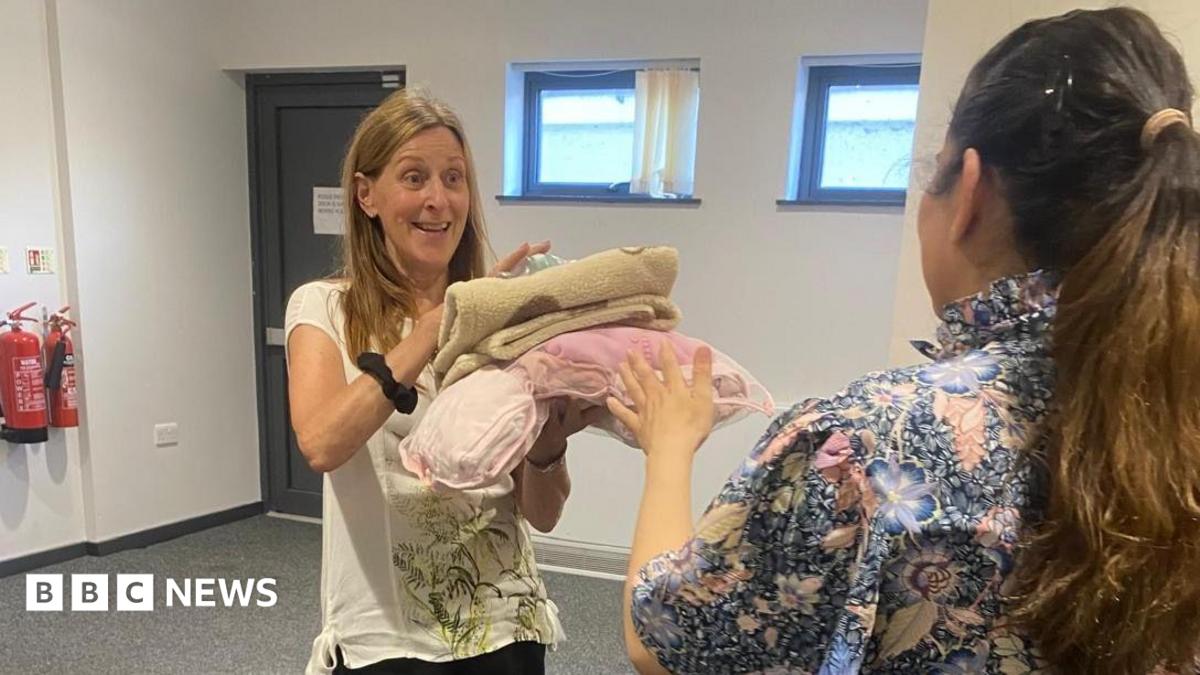
The charity named in BBC News reporting says demand for its baby bank rose faster than donations in 2025, as it handed out 36,400 items of child clothing and 536 tubs of formula milk. Those two totals are drawn from the charity’s own records for 2025 and were reported by BBC News; they are presented here as the organisation’s counts and have not been independently verified by this publication.
Quick facts: baby bank demand and donations
– The charity (named in BBC News reporting) says it gave out 36,400 items of child clothing in 2025.
– It also reports distributing 536 tubs of formula milk in 2025.
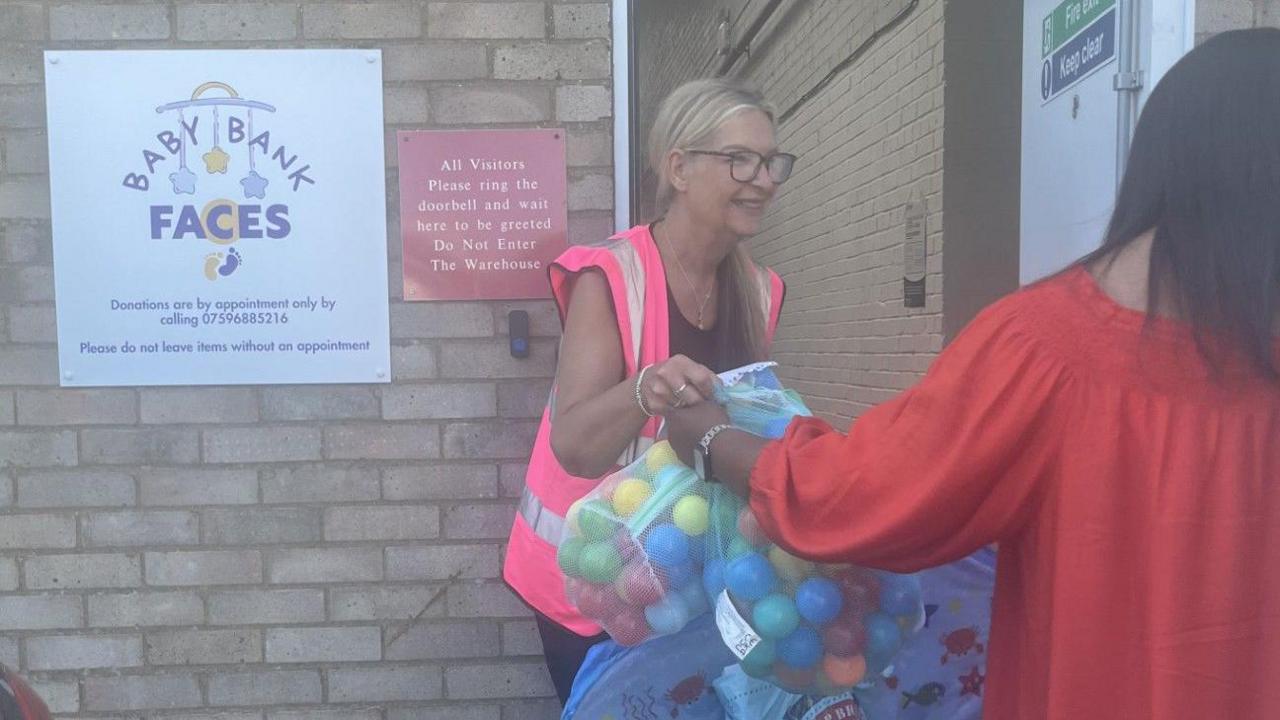
– According to the charity’s statement, demand rose faster than donations during the year.
Why demand is rising now
Charities that run baby banks point to several overlapping pressures that increase need. Rising household costs for essentials such as energy, housing and food tighten family budgets and can push parents and carers to seek help with basic supplies for infants and toddlers.
At the same time, donation levels can fall or fail to keep pace. Factors include donor fatigue after prolonged cost pressures, fewer organised community collection events, and limited storage or volunteer capacity at charities. When fewer donations arrive, volunteer-run services must stretch resources further to meet requests.
Localised shocks — for example, unexpected reductions in household income, emergency situations, or delays in benefit payments — can produce sudden spikes in referrals to baby banks and related community services. The charity’s figures for 2025, reported by BBC News on 13 July 2026, show how much sustained demand can build over a year.
What the charity handed out in 2025
The organisation’s own summary for the year lists key items distributed to families in need. The headline totals it provided are:
- 36,400 items of child clothing — covering newborn through toddler sizes.
- 536 tubs of formula milk — supplied where families had no safe alternative.
- Other routine supplies such as nappies, blankets and basic feeding equipment were also supplied, though the charity’s public summary did not give exact totals for every category.
These totals come from the charity’s internal counts for 2025. As noted above, independent verification of those specific numbers is not provided in this article; the figures are cited from the charity and reported by BBC News (see source link at the end).
How the baby bank is handling the surge
Baby banks typically operate through a network of volunteer sorters, drop-off points and referral partners such as health visitors, social services and other charities. When demand outstrips incoming donations, organisations may:
- Prioritise urgent requests (for example for newborns or families leaving emergency accommodation).
- Ask for specific items in short supply rather than accepting all donations.
- Lean on monetary donations to buy critical items safely and in line with hygiene rules.
- Work with partner charities to share stock and redirect surplus resources where possible.
Running a baby bank involves costs beyond the physical items donated: storage, transport, health-and-safety checks (especially for formula and feeding equipment), volunteer coordination and admin. For many groups, unrestricted cash donations are therefore as valuable as in-kind gifts because they allow flexibility to meet priority needs quickly.
How to help: where to donate and what to give
If you want to support a baby bank, these steps will help your donation have the most impact:
- Find and contact the named charity first (the charity is named in the BBC News report linked below). Use the organisation’s official website or verified social pages to confirm opening times and exact needs.
- Check current requirements: many baby banks publish up-to-date wish lists. Commonly needed items are clean child clothing, nappies, and feeding supplies.
- Be careful with formula: only donate sealed, in-date tins if the charity accepts formula. Do not donate opened or expired formula, and follow the charity’s guidance because safety and storage rules vary.
- Consider monetary donations. If you give money, do so via the charity’s official donation page, an official appeal, or another verified fundraising channel. This helps cover non-visible costs such as transport and storage.
- Volunteer time is often needed: ask about sorting, stock management and distribution roles. Volunteering can directly expand a charity’s capacity to handle surges in demand.
Before donating, check that the organisation is legitimate and that donation instructions are current. If you cannot find the charity’s details easily, ask local community centres, health visitors or your local council for trusted referral points.
Frequently asked questions
How can I donate to the baby bank?
Locate the charity named in the BBC News report (see the source link below) and follow its published donation guidance. If you prefer, contact local community centres or well-known registered charities that run baby bank services.
What items are most needed right now?
Clean child clothing, nappies and sealed in-date formula (if accepted) are commonly requested. Monetary donations are helpful for charities to buy specific items in short supply.
Is the charity named and how is the claim verified?
The BBC News report (13 July 2026) names the charity that provided these figures and published the totals cited here. The specific counts (36,400 items of child clothing and 536 tubs of formula) come from the charity’s own records for 2025; this article has not independently verified those totals.
What comes next
Readers who want to help should check the named charity’s official pages (the organisation is identified in the BBC report) for the latest appeals and verified donation channels. Local collection drives, supermarket donation points and volunteer sign-ups are often advertised when a charity issues an urgent appeal. If you or someone you know needs help, contact local community services, health visitors or your council’s welfare teams for guidance to trusted support organisations.
Source attribution and verification note: The numbers cited (36,400 items of child clothing and 536 tubs of formula milk for 2025) were provided by the charity and reported by BBC News on 13 July 2026. This article explicitly attributes those figures to the charity as published and to BBC News; independent verification of the counts is not provided here. For the original reporting, see the BBC article linked below.
Source: BBC News — “Demand for baby bank growing faster than donations”, 13 July 2026. Original reporting available at https://www.bbc.co.uk/news/articles/c5yzeg04n38o.