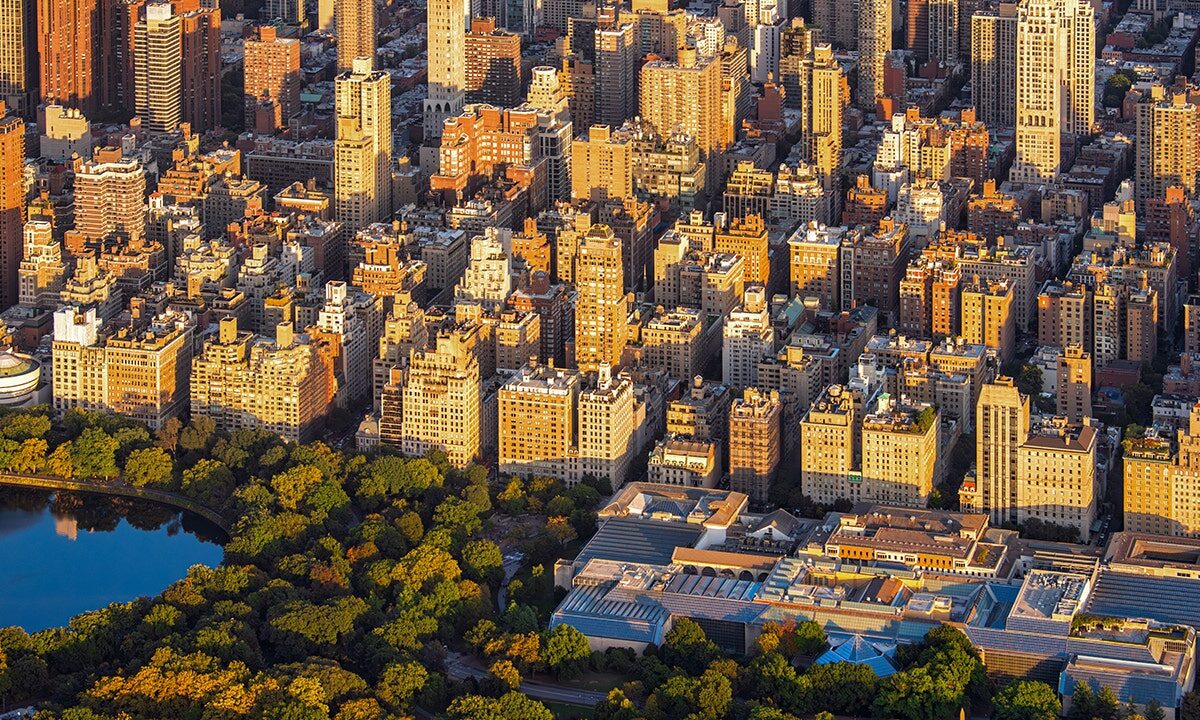
New York City health officials on Sunday confirmed 14 cases in a Legionnaires’ disease outbreak on the Upper East Side. The cluster is linked to ZIP codes 10028, 10128 and 10075 and includes illnesses among people who live, work or recently visited parts of Yorkville, Carnegie Hill and a stretch along the east side of Central Park.
The NYC Health Department is leading the investigation and has asked anyone who spent time along the east side of Central Park between East 76th and East 97th Street since late June to monitor closely for symptoms.
Who may have been exposed and where
Investigators say the outbreak involves a corridor along the east side of Central Park between East 76th and East 97th Street. Cases reported to date are concentrated in parts of the Upper East Side, including Yorkville and Carnegie Hill. City officials say affected people include residents, workers and recent visitors to those ZIP codes.
Because Legionella bacteria are spread when people inhale small water droplets containing the bacteria, investigators are reviewing outdoor and building-based water systems in the area. The NYC Health Department has urged anyone with potential exposure in the named area to be vigilant for illness and to notify a clinician if they become symptomatic.
Symptoms and when to seek care
According to city health guidance, Legionnaires’ disease is a serious form of pneumonia. Early symptoms often resemble the flu and can progress quickly in some people.
- Fever
- Cough
- Chills
- Muscle aches
- Shortness of breath or worsening respiratory symptoms
If you were in the affected area and develop these symptoms, contact a health care provider immediately and tell them about the possible exposure. Prompt diagnosis and antibiotic treatment reduce the risk of severe illness, especially for older adults and people with chronic medical conditions or weakened immune systems.
What officials are investigating
The NYC Health Department has prioritized testing of cooling towers and other potential environmental sources in the affected area as investigators work to identify where the exposures occurred. Cooling towers — commonly located on building rooftops — can generate mist that carries Legionella if the systems are not properly maintained.
City officials emphasized that, as of the latest updates, no single source has been confirmed. Authorities say the cluster was detected early and that epidemiologists, environmental health specialists and public health teams have been deployed to collect samples, run laboratory testing and trace cases.
The mayor’s office and health officials have said investigators do not believe the outbreak is linked to building plumbing or typical indoor air-conditioning units, and they have indicated the municipal tap water supply is not thought to be the source. Officials continue to test environmental samples to confirm or rule out specific sources.
What residents and visitors should do now
Health officials recommend the following actions for people who live, work or visited the affected ZIP codes or the Central Park stretch:
- Monitor for flu-like symptoms — especially fever, cough, chills or muscle aches — for up to two weeks after possible exposure.
- Contact a health care provider immediately if you develop symptoms and mention possible exposure in the specified Upper East Side area so testing and treatment can begin promptly.
- Continue normal household water use; city officials say it remains safe to drink tap water, bathe, shower, cook and use home air-conditioning systems unless otherwise advised by public health authorities.
Clinicians have been asked to be alert for patients with pneumonia-like illness who report exposure to the affected ZIP codes or Central Park corridor so that diagnostic testing for Legionella and early treatment can occur.
Source testing, next steps and what to expect
Environmental testing of cooling towers and other systems is ongoing. Public health teams will update the community as laboratory results and case investigations proceed. City officials cautioned that additional cases may be reported as contact tracing and testing continue.
Investigations to pinpoint an environmental source typically involve matching clinical isolates from patients to environmental samples when possible; that process can take days to weeks depending on lab turnaround and the need for additional sampling. Meanwhile, city teams are prioritizing remediation of any systems found to have unsafe Legionella levels and notifying building managers of maintenance and disinfection steps.
For the latest guidance, follow updates from the NYC Health Department and consult your health care provider if you become ill. This report is based on official statements from city health authorities and contemporaneous coverage by local news outlets.
Source attribution: NYC Health Department (nyc.gov/health), Fox 5 New York (fox5ny.com) and reporting from Fox News (foxnews.com).