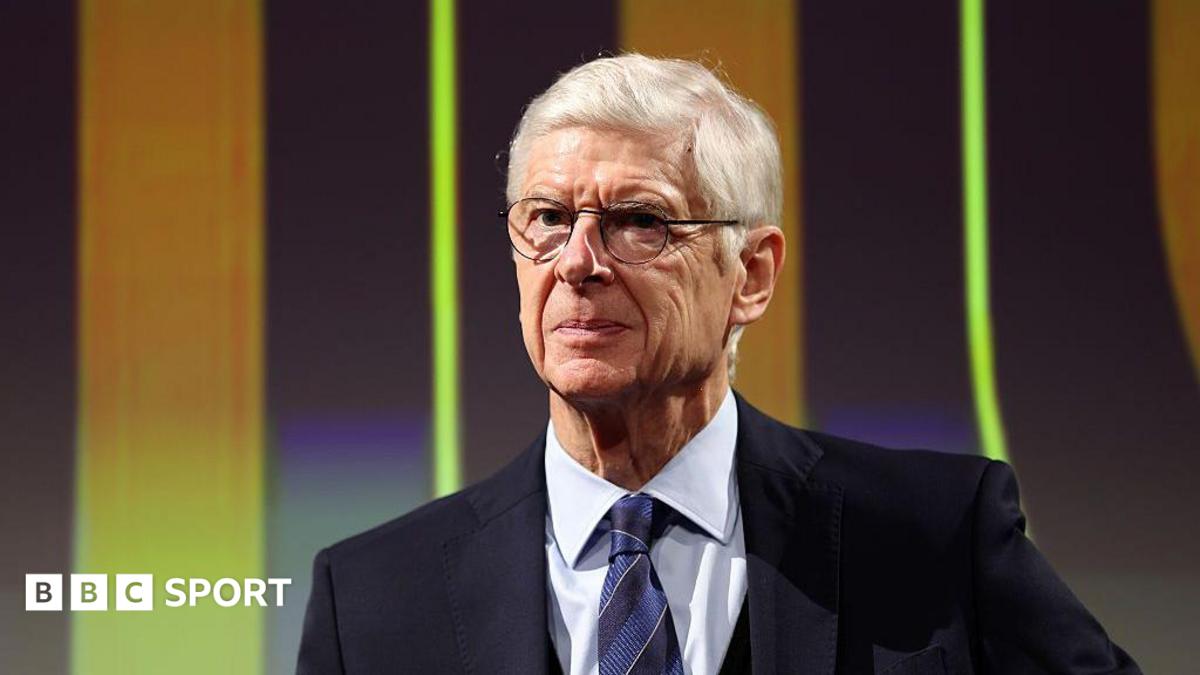
Arsene Wenger has said the hydration breaks used during the 2026 World Cup “have not been popular” and that Fifa will carry out a review of their impact after the tournament ends.
What Wenger said about hydration breaks
Asked after a recent match, Wenger accepted the trial pauses had drawn criticism and told reporters he understood why fans and some coaches felt the stoppages disrupted the flow of games. He said Fifa “will review” the use of hydration breaks to judge whether they are achieving their stated aims without harming the spectacle.
Wenger’s comments were presented as both an acknowledgement of public reaction and a signal that the governing body intends to weigh up the evidence before making a lasting decision.
Why Fifa will review the breaks
Fifa introduced hydration breaks at the 2026 World Cup with the stated purpose of protecting player welfare in matches played in demanding conditions. The breaks were framed as a medical precaution to reduce the risks of dehydration and heat-related problems in certain fixtures.
The review Wenger referenced is expected to look at how the pauses affected matches overall. That assessment should examine whether the breaks met medical objectives, how often and in what conditions they were called, and whether their implementation created unintended sporting side effects.
Officials carrying out the review will likely combine medical findings, referee reports and feedback from teams to decide whether the measure should be retained, modified or withdrawn in future competitions.
Reactions and short context
Reaction to hydration breaks during the World Cup has been mixed. Supporters point to player welfare as a priority, noting that short pauses can help staff monitor players and reduce heat stress.
Critics, however, say the interruptions change the rhythm of matches and may be open to tactical use, giving coaches extra moments to organise their teams or make adjustments that would not otherwise be available during continuous play.
Managers and players have expressed varied views. Some welcome any step that reduces health risks; others are concerned about preserving the continuous nature of football and the integrity of the match experience for supporters.
What this could mean going forward
The formal review could produce several practical outcomes. Fifa might decide to keep hydration breaks broadly as they are, but with clearer medical thresholds for when they are allowed. Alternatively, officials could restrict breaks to a narrower set of conditions, limit the number per match, or change how and when they are signalled to reduce tactical misuse.
Another possible outcome is the development of standardised procedures — for example, specifying maximum break length, defining environmental metrics that trigger them, or giving independent medical officers a clearer remit to call for a stoppage.
Wenger’s public acknowledgement and the promise of a review indicate Fifa is approaching the issue through evidence and consultation rather than making an immediate rule change. Any formal decision would likely be communicated after the tournament once data, medical advice and stakeholder views have been collected.
What comes next is therefore an evidence-led process: the review will gather match reports, medical input and feedback from teams and officials, then produce recommendations for how the rules should be applied at future tournaments.
Frequently asked questions
What happened with hydration breaks?
Fifa trialled hydration breaks during the 2026 World Cup to protect players in certain conditions. The pauses were used intermittently across matches and attracted debate about their impact on match flow. Arsene Wenger said they “have not been popular” and noted that a review will follow the tournament.
Why do hydration breaks matter?
The issue balances two priorities: protecting player health and maintaining the continuous nature of football. How breaks are implemented can affect medical safety, tactical dynamics and fan experience, so the review aims to weigh those factors.
What happens next?
Fifa will review the impact of the hydration breaks after the tournament, taking medical evidence and stakeholder feedback into account. That review should inform whether the breaks are retained, adjusted, or removed in future events.
This article is based on BBC Sport reporting and on Arsene Wenger’s comments about the breaks. For the original BBC Sport coverage, see the report linked below.
Source: BBC Sport — Hydration breaks not popular and Fifa will review – Wenger