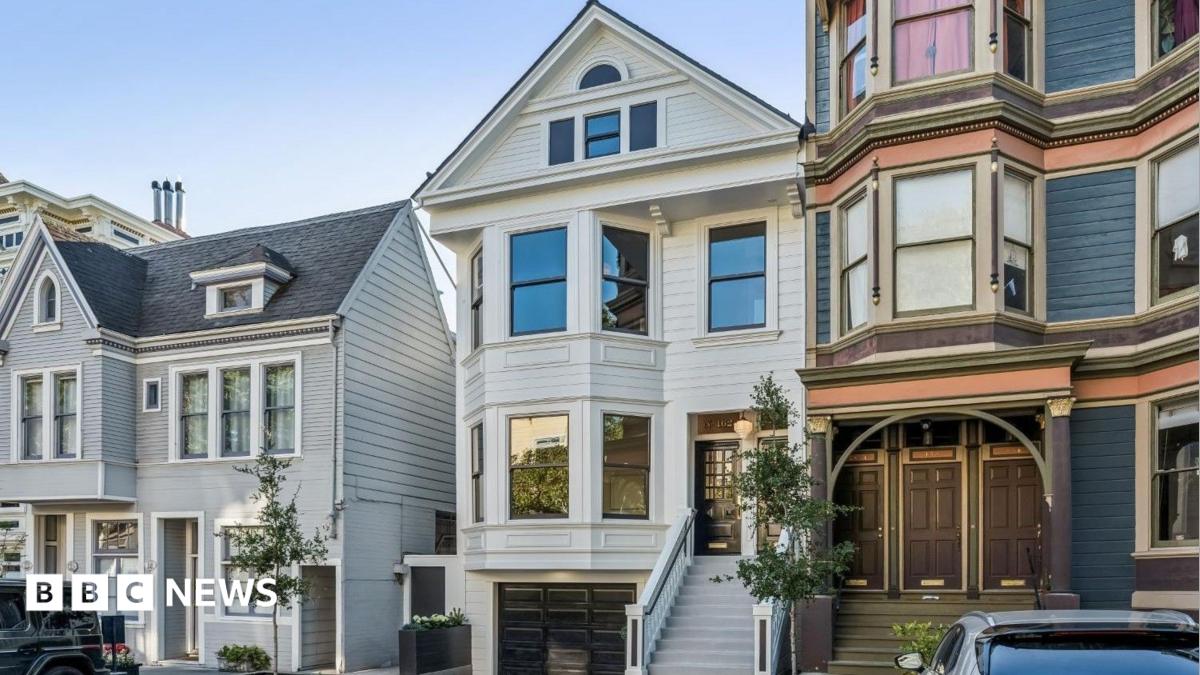
San Francisco house prices have reached a new median record of $1.7M, according to the latest figures — a milestone the BBC frames as tied to wealthy AI workers moving into the city. That single figure has become shorthand for wider questions about tech hiring, demand for high-end housing and local affordability.
Short of detailed transaction-level data, the claim that AI hiring is driving the record median should be treated as a plausible but not yet fully proven explanation. Below we unpack what the numbers show, the limits of the evidence and where local pressure is likely strongest.
Quick summary: San Francisco house prices now
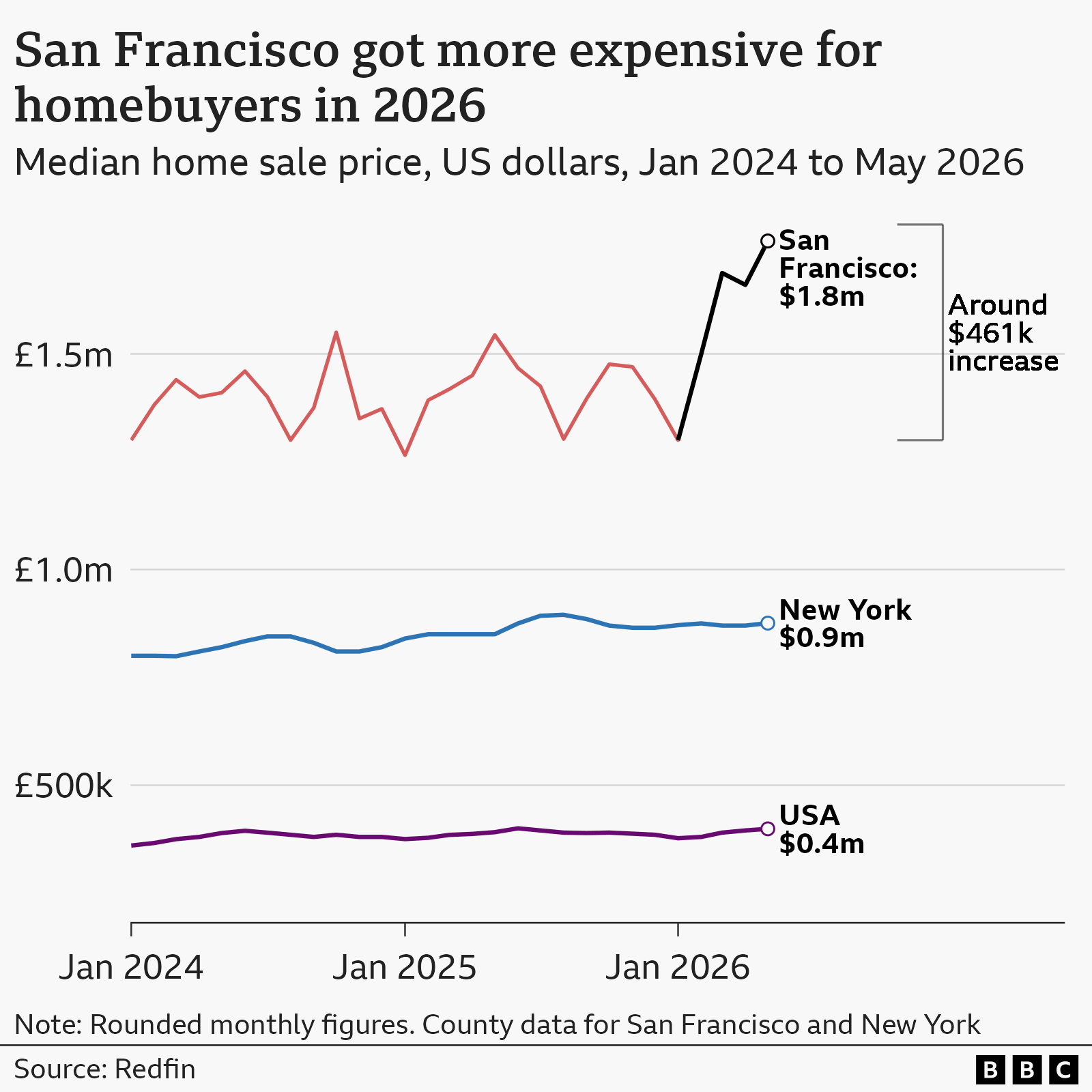
The headline fact: the median cost of a home in San Francisco is $1.7M, a record high, according to a BBC News – Technology report published 8 July 2026. The BBC links the rise in part to an influx of wealthy AI workers and other high-paid tech staff.
That framing focuses attention on how concentrated income gains can shape high-end housing demand, but it does not, on its own, prove a direct causal chain from AI hires to the entire median figure.
What the figures say about San Francisco house prices
The available report gives a single median value and labels it a record. A median describes the midpoint of sale prices in the period covered; it can move upward if more expensive homes sell, if lower-priced sales slow, or if the mix of listings changes.
Crucially, the BBC account as published does not include a full methodology or the underlying datasets in the article excerpt we reviewed. That makes it hard to assess timing (which months are included), geographic scope within city limits, or whether the figure covers single-family homes, condos, or a combined measure.
Without those details, the $1.7M median is a valid headline but a limited signal. It shows market heat at the midpoint of transactions, but not where price pressure is strongest or which buyer groups are most active.
How wealthy AI workers may push San Francisco house prices
The mechanisms linking high-paid AI workers to rising prices are straightforward and observed before: a concentration of buyers with greater purchasing power raises bids for desirable homes, lifting sale prices at the top end and exerting upward pressure on medians.
AI and broader tech hiring can also affect the market indirectly. Higher salaries increase demand for premium rentals and purchases in particular neighbourhoods, drive investor interest, and spur luxury renovation and construction — all of which can alter the housing mix and measured medians.
However, attributing the entire median increase to AI workers would overstate the evidence. Interest rates, limited inventory, shifts in remote-work patterns, and investor behaviour also move prices. The BBC frames the AI link as an important factor; estimating its share requires additional data.
Who is affected in the city
Rising median house prices create different pressures for different groups. Prospective buyers who rely on local incomes see entry points rise and affordability fall. Renters can face spillover effects if landlords seek higher market rents or convert units to higher-value uses.
Impacts vary by neighbourhood. Areas near major tech hubs, transit links or new office investment typically see the most immediate demand, which can change local services and increase displacement risk for lower-income residents.
Policy responses commonly discussed include expanding supply through zoning changes, preserving and funding affordable housing, and targeted tax or subsidy tools to support low- and moderate-income households. Each option has trade-offs and requires political will to implement.
By the numbers
Median (reported): $1.7M (record)
Source: BBC News – Technology (8 July 2026)
Known limits: No detailed methodology or transaction-level data published with the article excerpt.
What comes next: data gaps and reporting needed
To move beyond a plausible narrative, reporters and analysts need granular, time-stamped transaction data, buyer profiles where legal and ethical, and comparisons across neighbourhoods and housing types. That would allow separation of shifts caused by concentrated high-end demand from broader market dynamics.
Local government agencies and real-estate data services often publish fuller series; cross-referencing those with employer and payroll trends could clarify how concentrated hiring affects particular price bands.
Source, claim label and limits
This analysis draws on the BBC News – Technology report “Wealthy AI workers send San Francisco house prices soaring” (published 8 July 2026) as the primary news source for the $1.7M median figure. The BBC’s linkage of rising prices to wealthy AI workers is a reported claim: it is an explanation offered in the report and should be treated as such rather than as proven causation.
Data gaps noted above—absence of a full methodology, unclear time window, and lack of buyer-level detail—mean the claim requires further empirical testing before assigning a quantified share of the median rise to AI hiring. Additional transparent datasets and analysis would let policymakers better target responses.
Source: BBC News – Technology: Wealthy AI workers send San Francisco house prices soaring
FAQ
Are AI workers the main cause of rising San Francisco house prices?
Not necessarily. The BBC frames wealthy AI workers as an important factor, but the reporting does not provide detailed data to quantify their role relative to interest rates, inventory shortages, investor activity or other tech hiring. Treat the link as a reported claim that needs further analysis.
How high is the median home price in San Francisco now?
The reported median home price is $1.7M, a record high cited by BBC News – Technology in the referenced article.
What does the record median price mean for buyers and renters?
A record median typically signals greater affordability pressure for new buyers and potential spillover to rental markets. The exact local impact depends on household incomes, available housing supply and policy actions to preserve or create affordable units.