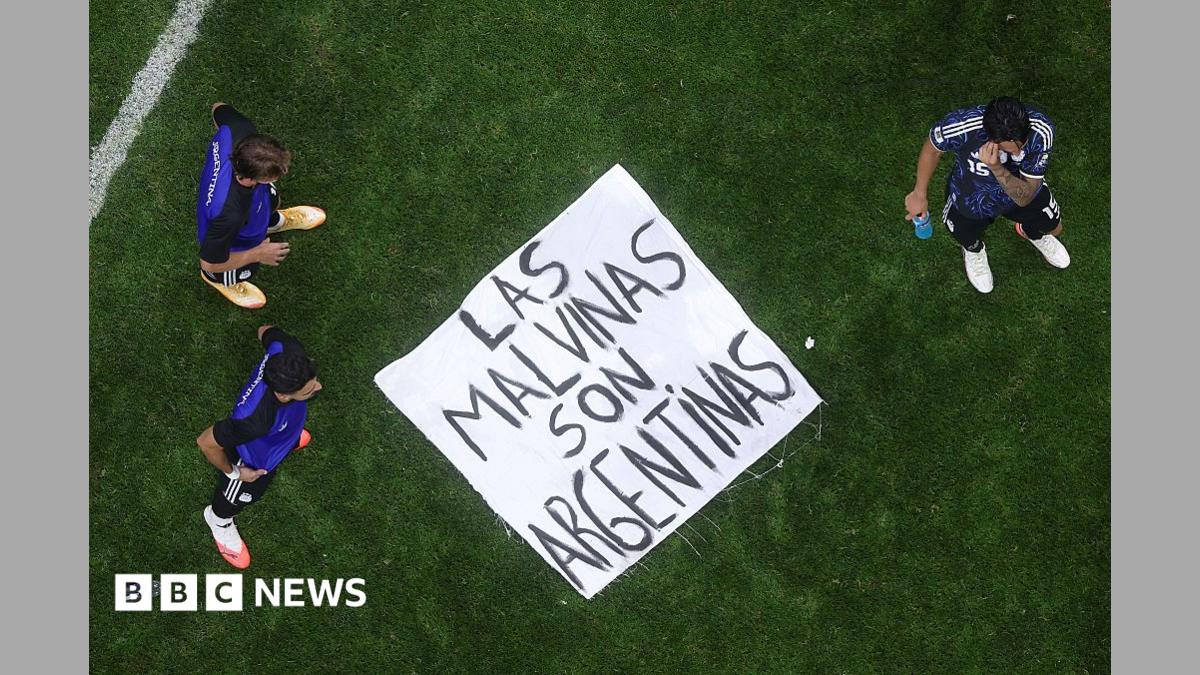
Reports that a Falklands banner was displayed in connection with an Argentina match have prompted an immediate political response. The claim, reported by the BBC and other outlets, remains unconfirmed and has been described by officials as needing careful verification before firm conclusions are drawn. The White House issued a defence of the Argentina team, saying it did not believe players intended to inflame tensions.
The brief White House comment framed the matter as one requiring caution while investigators establish the facts. Media accounts that referred to a Falklands banner circulated rapidly online and in news reports, but multiple officials and outlets stressed that the allegation has not been independently verified by public authorities.
Falklands banner incident
The core allegation centres on reports that a banner mentioning the Falklands was displayed at or near the venue of an Argentina match. According to media reporting, including the BBC, the banner was observed in crowd footage and prompted immediate reactions from spectators and commentators.
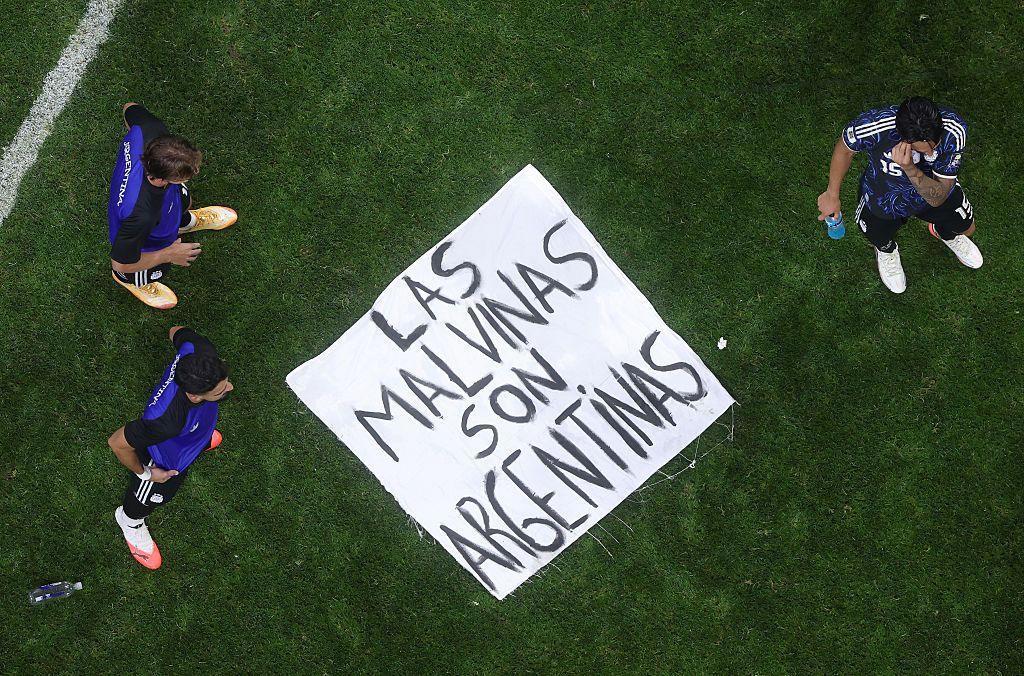
White House remarks defended the Argentina team against suggestions of deliberate provocation, while stopping short of vouching for the accuracy of the reports. Officials emphasised that the status of the accounts is unconfirmed and that proper procedures should be followed to determine what happened and who was responsible for any display.
Observers cautioned against assuming the banner originated from players, officials, or national associations without corroborating evidence. Given the unresolved nature of the reports, those close to the matter have urged an evidence-led approach rather than speculation.
Downing Street and calls for a FIFA probe
Downing Street said it supported calls for FIFA to investigate the reports. UK ministers described the matter as serious and said that a formal review by football’s governing body would be the right way to establish facts and, if necessary, take any disciplinary steps.
Politicians and officials in the UK have urged FIFA to examine available footage, steward and venue reports, and witness accounts to determine whether any rules on political messaging or conduct at matches were breached. A FIFA review would typically gather evidence from the scene and from broadcasters or organisers responsible for the event.
Both UK and US statements have underlined that an investigation — rather than immediate public recriminations — is the appropriate response while evidence is gathered. That stance reflects concern about mixing national political disputes with international sport and the potential for rapid escalation if unverified claims are treated as fact.
Why it matters
The Falklands remain a highly sensitive issue for both the UK and Argentina, and references to the islands can provoke strong public and diplomatic reactions. Even an allegation of a Falklands-related banner at a high-profile sporting fixture can intensify feelings on both sides and attract attention from political leaders and media outlets.
When prominent institutions such as the White House and Downing Street comment on an incident, it can broaden the impact beyond the sporting context. That is why officials and commentators are urging careful, evidence-based investigation: to prevent an unverified claim from becoming a wider diplomatic row.
Sports governing bodies are often asked to intervene when political imagery appears at events because their rulings can help contain disputes within sport and reduce overflow into broader diplomatic channels. How FIFA responds could influence whether the episode remains confined to stadium governance or becomes a matter of bilateral tension.
What comes next
The immediate next step to watch for is whether FIFA will open a disciplinary or fact-finding process. An inquiry would generally involve reviewing match and crowd footage, collecting steward and venue reports, and seeking witness statements to establish the banner’s origin and intent.
National associations, event organisers and stadium operators may be asked to provide evidence and explanations. If investigators find corroborating material, that could lead to sanctions, formal complaints between associations, or recommendations to improve venue security and stewarding to prevent similar incidents.
UK and US officials have indicated they will monitor developments and may issue further comments as investigations progress. At present, authorities are stressing investigation over assertion; outcomes will depend on what corroborating material is produced and how governing bodies apply their rules.
Background: Falklands sensitivity
The Falklands dispute has long been a core point of national sentiment in both the UK and Argentina. References to the islands carry significant political weight and can be particularly inflammatory when displayed at international events.
The BBC and other outlets have reported on how imagery tied to the Falklands can provoke strong reactions, which helps explain why leaders and sports officials are treating the current allegation seriously and urging a formal investigation rather than immediate judgement.
Given that history, even an unconfirmed allegation about a Falklands banner has the potential to cause outsized consequences, which is why officials and observers are calling for prompt, evidence-led inquiries.
Source: BBC News — White House defends Argentina team over Falklands banner