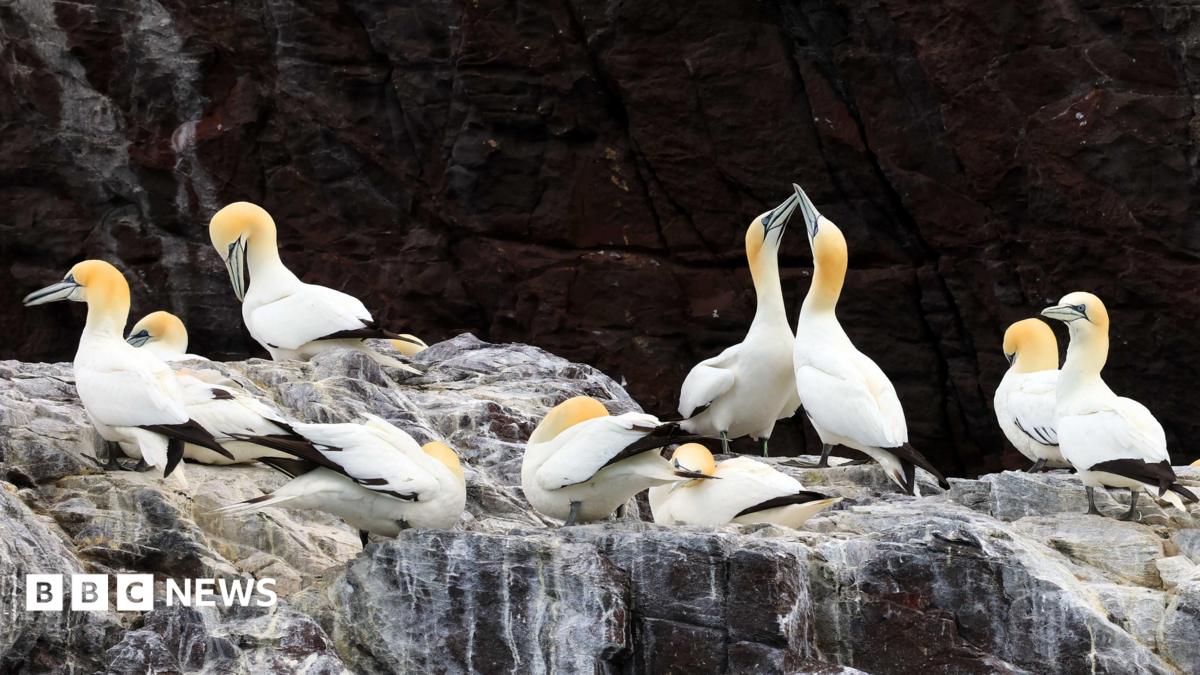
A BBC News – Top Stories report published on 2026-07-03 says gannet colonies could need as long as 15 years to recover following the 2022 outbreak of avian influenza. The BBC summarises field surveys and expert commentary indicating long-term impacts, with particularly heavy losses recorded at colonies in parts of Scotland and Wales.
What the BBC report says about gannet colonies
The BBC article (2026-07-03) reports that researchers and monitoring groups estimate some gannet colonies may take up to 15 years to return to pre-2022 population levels. The coverage highlights the scale of breeding-season losses in 2022 and notes regional variation in impact across the UK.
The BBC frames the 2022 event as an “unprecedented deadly blow” to several seabird colonies and makes clear the 15-year figure is a modelling-based estimate rather than a confirmed outcome. That distinction matters: the estimate provides a planning horizon but will be tested and refined as new monitoring data arrive.
How the 2022 bird flu struck seabird colonies
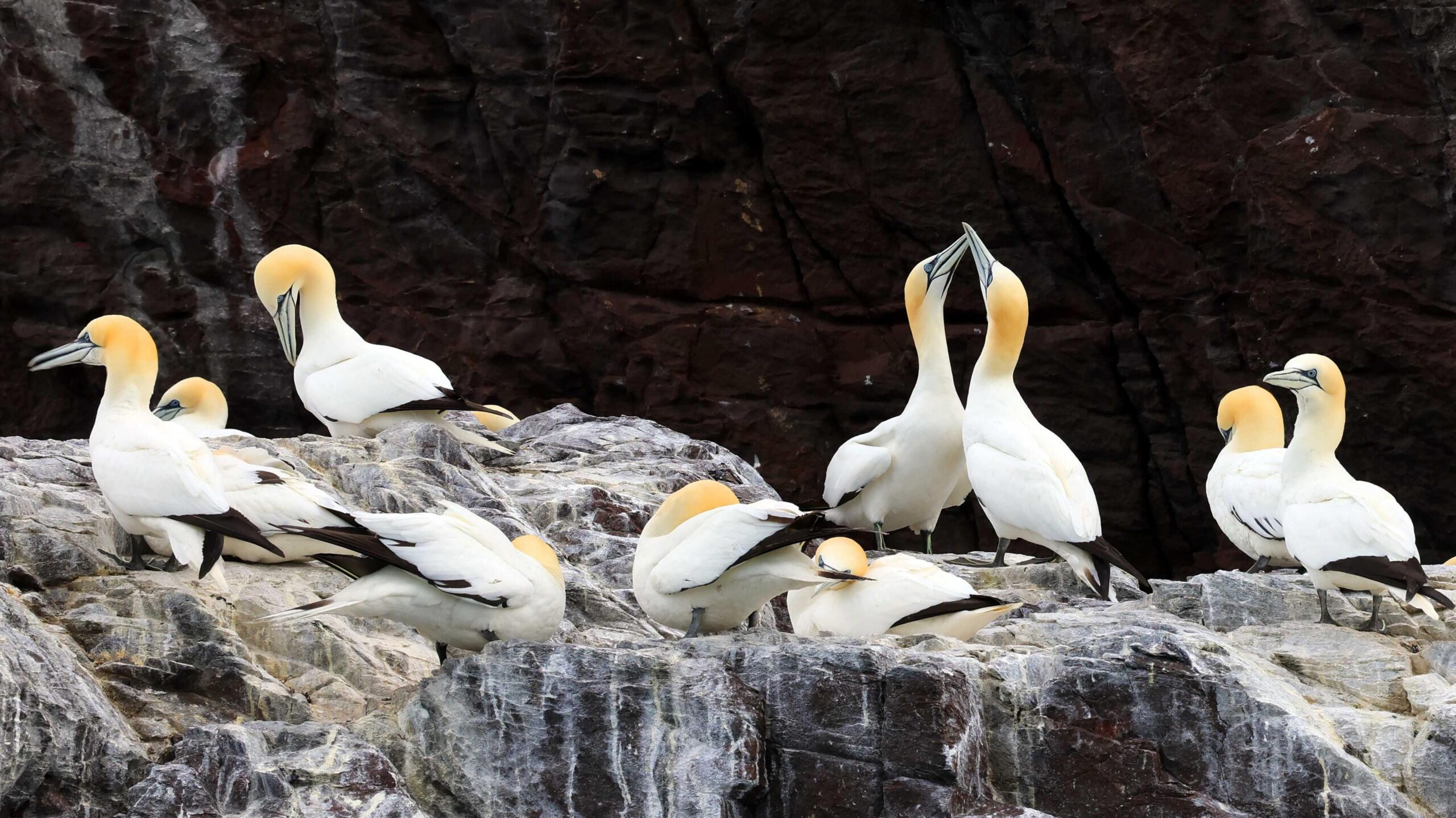
The 2022 outbreak of avian influenza caused mass mortalities among seabirds, with gannets among the species most visibly affected. Field teams reported high numbers of dead birds at multiple breeding sites during and after the outbreak, and the BBC singled out Scotland and Wales as regions that suffered particularly heavy losses.
For long-lived species such as gannets, the death of breeding adults carries a disproportionate effect on population trajectories. Adults contribute to reproduction over many years; when many are lost in a single season, recovery depends on younger birds surviving, recruiting into the breeding population and producing offspring at sufficient rates.
Why recovery could take 15 years
The 15-year estimate draws on the life history of gannets and on models that incorporate observed adult mortality from 2022. Gannets mature slowly: juveniles typically take several years to enter the breeding population. That lag means a short-term loss of breeders can echo through populations for many seasons.
Modellers also include factors such as juvenile survival, recruitment rates, adult survival in subsequent years, and environmental drivers like food availability. Each parameter adds uncertainty. As the BBC report stresses, the 15-year figure is an estimate intended as a provisional timeline for planning and monitoring rather than a precise forecast.
Conservation response and what comes next
Immediate priorities identified in coverage and by experts include continued, coordinated monitoring of colony size and breeding success, and targeted research on disease transmission in wild seabirds. Consistent data collection across colonies will be essential to detect trends and refine recovery models.
Practical conservation measures likely to be emphasised include protecting key foraging areas, reducing other human pressures on colonies, and maintaining long-term surveillance for avian influenza. Managers may prioritise interventions at sites that lost the highest proportion of breeders to maximise the effectiveness of limited resources.
Researchers will be watching recruitment rates among younger birds closely. If juvenile survival and recruitment meet or exceed model assumptions, colonies could recover faster than current estimates. Conversely, further outbreaks or sustained ecological pressures could slow recovery.
Limitations and uncertainty
The BBC coverage and the researchers it cites note several sources of uncertainty. Models depend on assumptions about survival and recruitment that will be tested by ongoing surveys. Local conditions vary: some colonies may show signs of rebound within a few years, while others could lag much longer.
Projections are sensitive to future events. Additional disease outbreaks, changes in prey availability linked to climate variability, or new human pressures could all alter recovery trajectories. That is why the BBC presents the 15-year timeline as an estimate to guide monitoring and planning rather than a definitive prediction.
FAQs
How long will gannet colonies take to recover?
The BBC report suggests gannet colonies could take up to 15 years to recover from the 2022 outbreak, but this is an estimate. Actual recovery will vary by site and depend on adult survival, juvenile recruitment and other environmental factors.
What caused the seabird deaths in 2022?
The 2022 mortalities were linked to an outbreak of avian influenza. The BBC described the event as an “unprecedented deadly blow” to several seabird colonies, particularly in Scotland and Wales.
Can conservation speed up gannet recovery?
Conservation cannot erase all natural mortality, but robust monitoring, habitat protection and reducing additional human pressures can support resilience and aid recovery. Continued disease surveillance and research into population dynamics will help managers target efforts effectively.
Source and note on reporting
This article is based on reporting by BBC News – Top Stories (published 2026-07-03). The projection that gannet colonies could take up to 15 years to recover is presented in the BBC coverage as an estimate and is not a confirmed outcome. For full details, see the original BBC report:
https://www.bbc.co.uk/news/articles/c3wylj128qlo?at_medium=RSS&at_campaign=rss