Walk 30 minutes a day is easier than many people think. Readers shared quick, practical ideas — walk the dog before breakfast, get off the bus a stop early, take a short after-dinner loop — that add up to a daily walking habit without a big schedule change.
Below are bite-sized tips from those readers, plus simple planning steps, fixes for common barriers, and short FAQs to help you try these approaches safely.
How to walk 30 minutes a day
Start by choosing a few small switches you can keep doing. A daily walking habit can come from swapping one part of your routine or combining short walks across the day. Try one or two of these quick ideas and build from there.
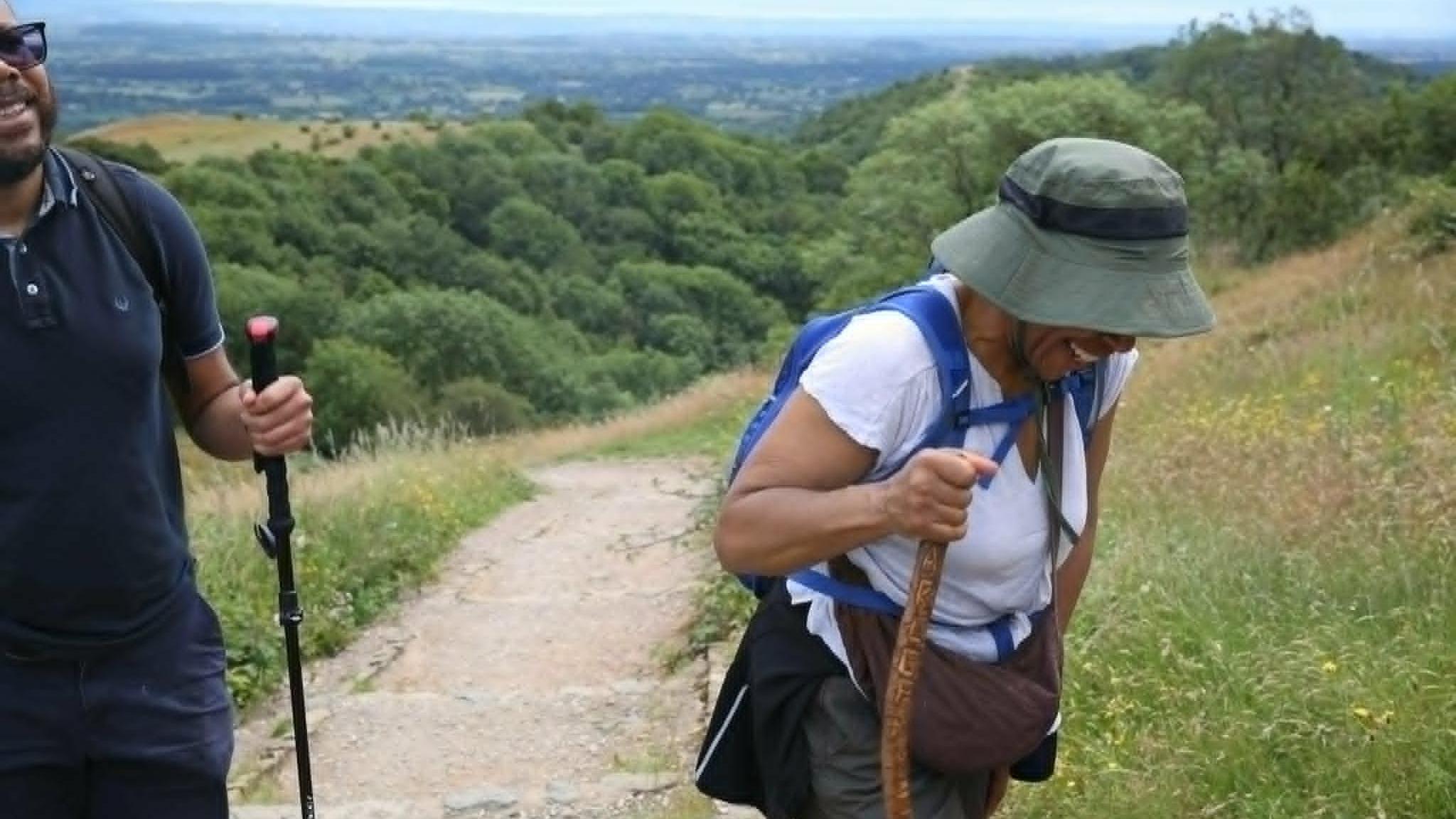
- Before breakfast: a 10–15 minute leash walk or brisk loop around the block.
- Commute tweaks: get off the bus a stop early or park slightly further away.
- Micro-breaks: three 10-minute walks — morning, lunch, and after work — add to 30 minutes.
Reader-tested short routines
Readers reported success using small, repeatable routines. Keep them simple and tied to something you already do so the walk becomes automatic.
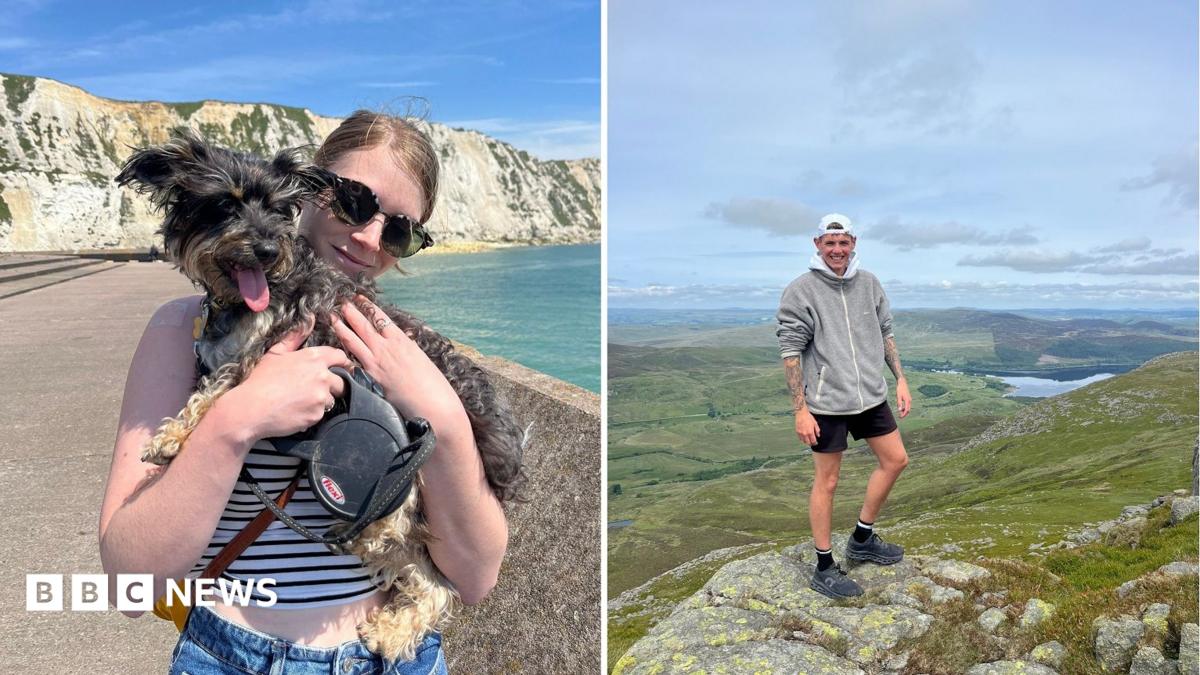
- Walking the dog: Use the dog’s morning or evening needs as a reliable cue. Two short walks can replace one longer outing and make daily walking easier to sustain.
- Commute changes: If you use public transport, disembark one stop early or stand and walk an extra stop during the ride to add minutes without changing your schedule.
- Before breakfast: A brisk 10–15 minute walk before the day starts can feel energising and is often easier to protect than a longer slot later on.
- After meals: A short 10–15 minute stroll after lunch or dinner helps build consistency without a major time commitment.
- Errand walks: Walk to local shops when possible instead of driving for short trips.
Plan routes and split sessions
Having a simple route and a split-session plan removes friction. Aim for a reliable loop or a combination of short segments that total 30 minutes.
- Map one or two loops: Pick a 10- or 15-minute route near home or work so you can repeat it quickly and know how long it takes.
- Split sessions: Three 10-minute walks or two 15-minute walks count toward the 30 minutes, and they are easier to fit into busy days.
- Use triggers: Link walks to daily habits (after the first coffee, at lunch, after dinner) to make them automatic.
- Track simply: A phone timer or basic step counter helps you see progress without overcomplicating things.
Overcoming common barriers
Time, weather and motivation are the top reasons people skip walks. Readers shared practical fixes that lower the barrier to getting out.
- Short on time: Break walks into two or three short sessions. Ten minutes is meaningful and easier to protect in a busy day.
- Bad weather: Keep a light waterproof jacket and comfortable shoes handy, or choose covered routes such as shopping arcades or transit hubs when needed.
- Low motivation: Walk with a friend, join a local group, or pair walking with listening to a podcast or audiobook to make it more enjoyable.
- Safety concerns: Stick to well-lit, familiar routes and tell someone your plan for solo walks in quieter areas.
Why it matters
Readers highlighted that a daily walking habit is low cost, easy to start, and flexible. Regular walking contributes to overall physical activity and can help people feel more energetic and focused. These are general, experiential observations rather than clinical claims.
These anecdotal tips are practical ways to build movement into everyday life, not medical advice. If you have specific health concerns, consult a healthcare professional before making big changes to your activity levels.
Key takeaways
- Small, repeatable routines are the most sustainable way to walk 30 minutes a day.
- Splitting time into short sessions makes walks easier to fit into busy schedules.
- Plan routes, use triggers, and prepare for weather to reduce excuses.
Frequently asked questions
How can I fit 30 minutes of walking into a busy workday?
Split the time into short sessions: a 10-minute walk at the start of the day, a 10-minute stroll at lunch, and a 10-minute walk after work. Use commute changes like getting off a stop early to add time without losing work hours.
Do short walks of 5 to 10 minutes count toward 30 minutes?
Yes. Short walks add up. Readers often combine several short walks across the day to reach 30 minutes. Consistency matters more than how you divide the time.
Are these reader tips safe for people with health issues?
These suggestions are anecdotal and meant as practical tips from readers, not medical guidance. If you have health conditions or concerns, check with a healthcare professional before changing your activity routine.
Source and notes
This article draws on reader contributions compiled by BBC News – Health. The original piece, including the reader tips referenced here, is available at: https://www.bbc.co.uk/news/articles/c20y2lkgz13o?at_medium=RSS&at_campaign=rss
Tips are anecdotal and not presented as clinical advice. Source: BBC News – Health.