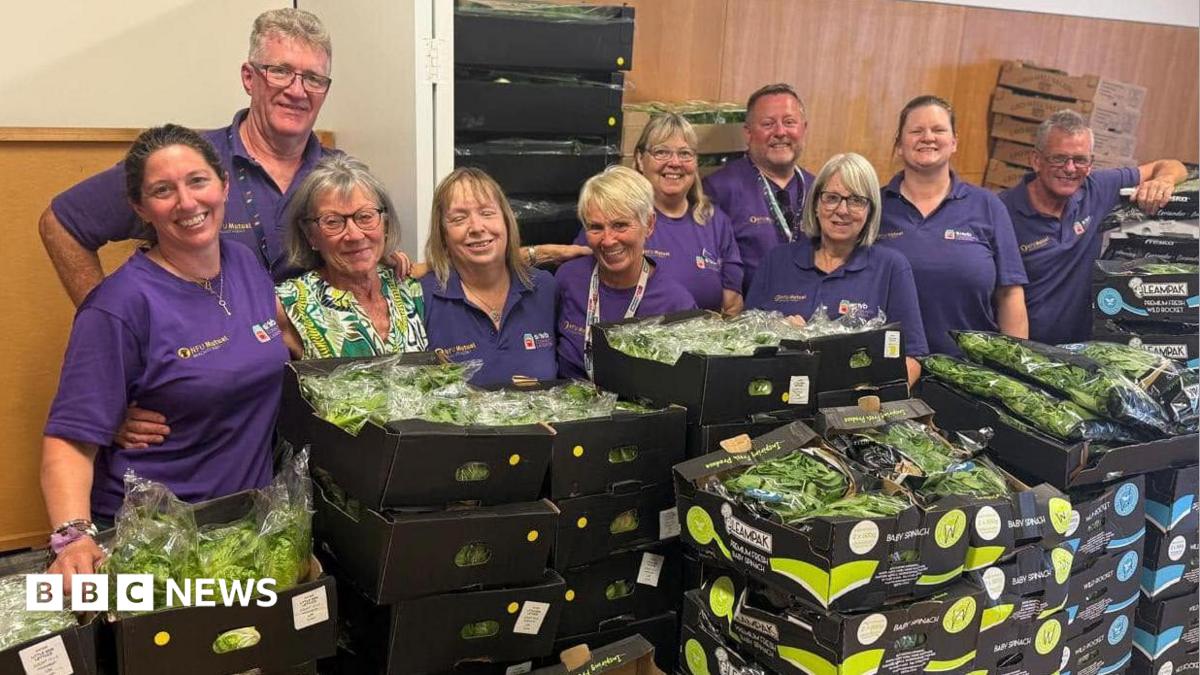
Volunteers mobilised quickly after the Grand Prix at Silverstone to recover surplus food from the circuit and deliver it to a Towcester community larder. The effort aimed to salvage usable produce and other items left after the event and to divert them from being discarded.
What happened with surplus food at Silverstone
When the crowds cleared and vendor stalls were packed down, circuit staff and local volunteers identified food that could still be used. Rather than letting clearly usable items go to waste, teams arranged a short-notice rescue operation to pick up and move goods from hospitality and concession areas.
Organisers described the work as a coordinated post-event rescue. Volunteers and staff worked together to locate recoverable items, check their condition on site and organise transport to a nearby community hub. The operation was carried out under time pressure and with attention to basic food-safety precautions.
How the surplus food is being collected
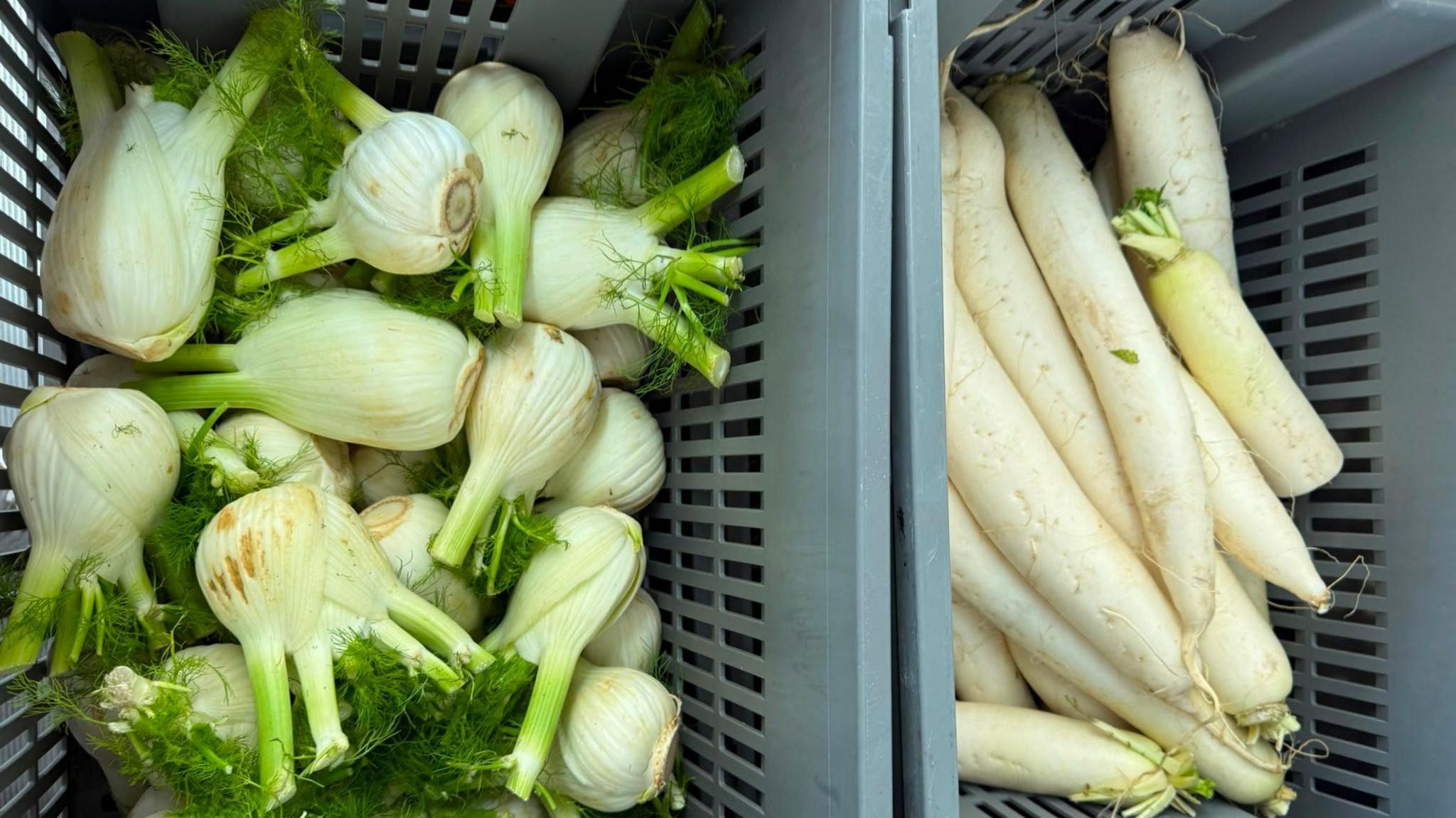
Collection points were set up close to catering and service zones so volunteers could access leftover produce quickly once stalls shut. Small teams were assigned to check packaging, separate perishable from non-perishable items, and pack goods securely for the short journey to Towcester.
Volunteers handled different roles: some focused on on-site assessment, others packed items for transport and a few coordinated access with circuit staff. Organisers emphasised that items were assessed before being moved to the larder to reduce health and safety risks, and unsuitable goods were set aside for safe disposal.
Where the food will go
The recovered items were transported to a Towcester community larder that agreed to receive the donations. At the larder, volunteers planned to sort donations, check suitability and arrange distribution to local people and community projects that rely on the service for short-term support.
A larder representative told the BBC that donated items would be checked and shared where appropriate, with food safety and suitability guiding decisions. The larder and volunteers stressed that only clearly usable items would be redistributed, and some recovered goods might require disposal for safety reasons.
Why this matters locally
Redirecting surplus food after a major event can reduce waste and provide immediate help for people in the surrounding area. For Towcester and nearby communities, extra supplies arriving at the larder can boost available resources for families and community projects, particularly in the days immediately after a large event.
Local volunteers said the rescue highlighted the value of partnership between event organisers and community groups. At the same time, organisers cautioned that this was a targeted, short-term response rather than a permanent fix: storage limits, volunteer capacity and food-safety rules all constrain what can be recovered and shared.
What comes next for the rescue effort
Volunteers plan to hold a debrief to identify what worked and what could be improved for future post-event recoveries. Practical next steps under consideration include clearer signage for collection points, earlier liaison with vendors about possible surplus, and pre-arranged access for trained volunteers to speed sorting after events.
The community larder will continue to sort and distribute what it received and expects to provide feedback to circuit organisers about logistics and timing. Volunteers encouraged other large-event teams to explore similar rescue plans while recognising that arrangements must be tailored to each event’s scale and the types of food involved.
Residents who want to help are advised to contact local food banks or community larders directly; organisers said that volunteering, donating non-perishable items or offering transport support are practical ways to assist without creating extra risk or logistical burden.
Readers should note that media reports did not include detailed quantities or a full inventory of items recovered. The account here follows reporting to date and emphasises the limited, immediate nature of the rescue rather than implying a systematic programme across all events.
Source: BBC News – Business