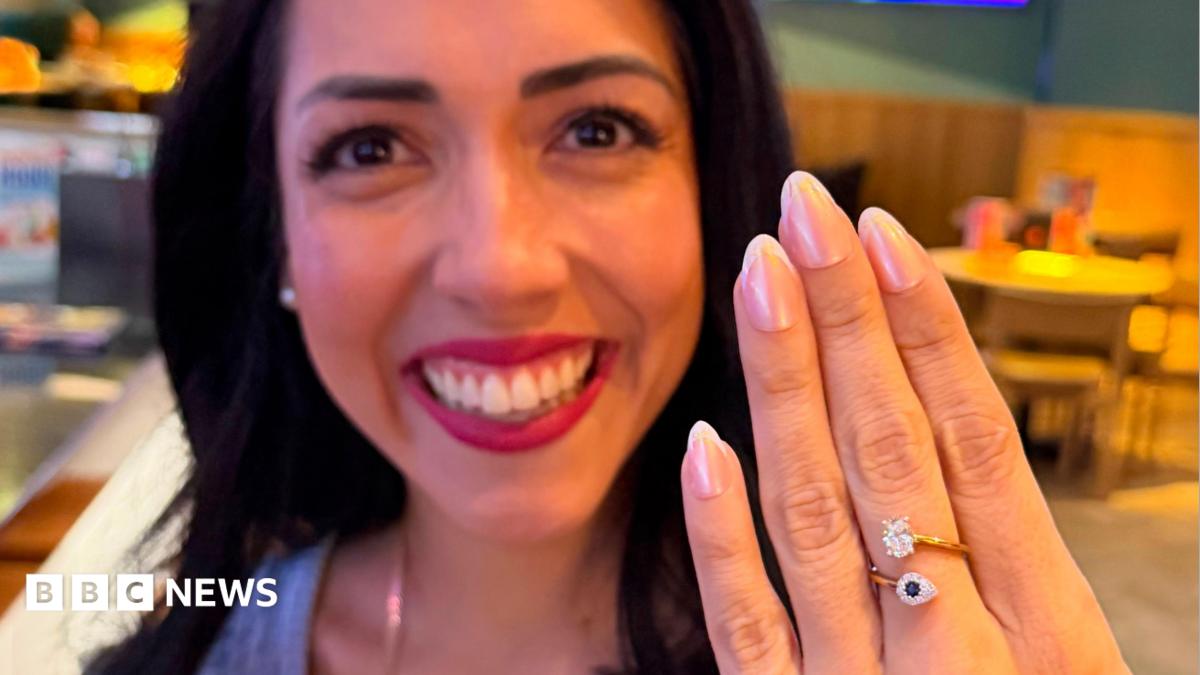
The rise of the divorce ring is being reported by BBC News – Business as a visible way some women mark the end of relationships: buying a new piece or altering an engagement ring. “I wear it on my middle finger,” one woman told the BBC, a line that has been widely quoted as capturing the gesture’s defiant intent. The phrase “divorce ring” is a catch-all used in recent reporting to describe jewellery worn after a separation to mark a change in status. That can mean purchasing a new ring made to represent a personal milestone, or transforming an existing piece — most often a repurposed engagement ring — so it no longer reads as a symbol of a past partnership. BBC News – Business explains the practice through personal accounts and jeweller comments: some people choose a simple band or modern design; others ask goldsmiths to reset diamonds from engagement rings into different settings so the stone remains valued but the meaning shifts. Styles and placement vary, but intentional visibility is a recurring theme. As reported by the BBC, the now-familiar quote, “I wear it on my middle finger,” captures a common choice: placing the ring on a finger that is neither traditionally associated with engagement nor marriage. Wearing a ring on the middle finger can act as a defiant ring — a public, sometimes playful signal that a wearer has moved into a new phase. In BBC interviews, some wearers described chunky, modern designs; others preferred minimalist bands that signal a deliberate break with a romantic past while preserving the jewel itself. BBC reporting notes jewellers and independent makers have observed demand for what is sometimes called breakup jewellery. The coverage cites enquiries about resetting diamonds from engagement rings into modern settings and offers for full redesigns, rather than disposal of stones. Responses differ across the industry. According to the BBC, small bespoke makers have been more willing to market services for repurposing engagement rings, while some larger brands have been cautious about direct divorce-focused messaging. Customers interviewed for the piece said repurposing lets them preserve sentimental value while changing a piece’s meaning. These accounts include anecdotal sales and enquiry increases reported by individual jewellers; BBC frames them as local observations rather than broad market statistics. As an object, the divorce ring sits at the intersection of consumer behaviour and how people process relationship endings. For some wearers, the ring is a tool of self-definition: a wearable declaration that life is proceeding on new terms, BBC interviews indicate. That cultural significance connects to conversations about women and divorce, economic independence and shifting norms on making private events visible. Breakup jewellery functions both as a personal ritual and as a category businesses can serve — but whether these symbolic acts map to larger social change is not established. Reporting to date, including the BBC piece, relies on personal accounts, jeweller observations and sampled media coverage. That means the pattern is noticeable in specific communities and coverage samples but is not presented as a quantified, representative social shift. Claims that women “around the world” are adopting divorce rings should therefore be treated as indicative rather than definitive. BBC’s coverage is a snapshot of stories and industry responses; robust, representative data on prevalence have not been published in that report. If demand continues, jewellers may scale repurposing services and marketers may cautiously test language around breakups. Consumer interest could push more transparent resale and redesign options for engagement jewellery. But industry observers quoted by the BBC stress that current evidence is largely anecdotal, so any commercial shift should be viewed with care. This article draws on BBC News – Business reporting, which collected personal accounts and jeweller responses about the trend. The BBC piece provides sampled reporting rather than comprehensive measurement of behaviour; where specific observations are summarised here, they are attributed to that coverage. Read the original BBC coverage for the full reporting: BBC News – Business.What is a divorce ring?

How women are wearing it
Market response and styles
Why the divorce ring matters
Context and limits on the trend
What comes next
Source note and limits
The rise of the divorce ring