President Donald Trump entered the final day of the NATO summit with a slate of bilateral meetings and a sharpened focus on alliance defense spending. The NATO summit opened with pressure to turn budget pledges into deliverable capabilities, while Ukraine appealed to allies over a critical shortfall in Patriot interceptor missiles.
Leaders spent the day balancing immediate requests from Kyiv, a surprise outreach to Turkey and a broader push to accelerate weapons production and ammunition stockpiles. A press conference by summit leaders was expected to close the meeting and summarize any bilateral outcomes.
Trump’s bilateral deals and Turkey announcement
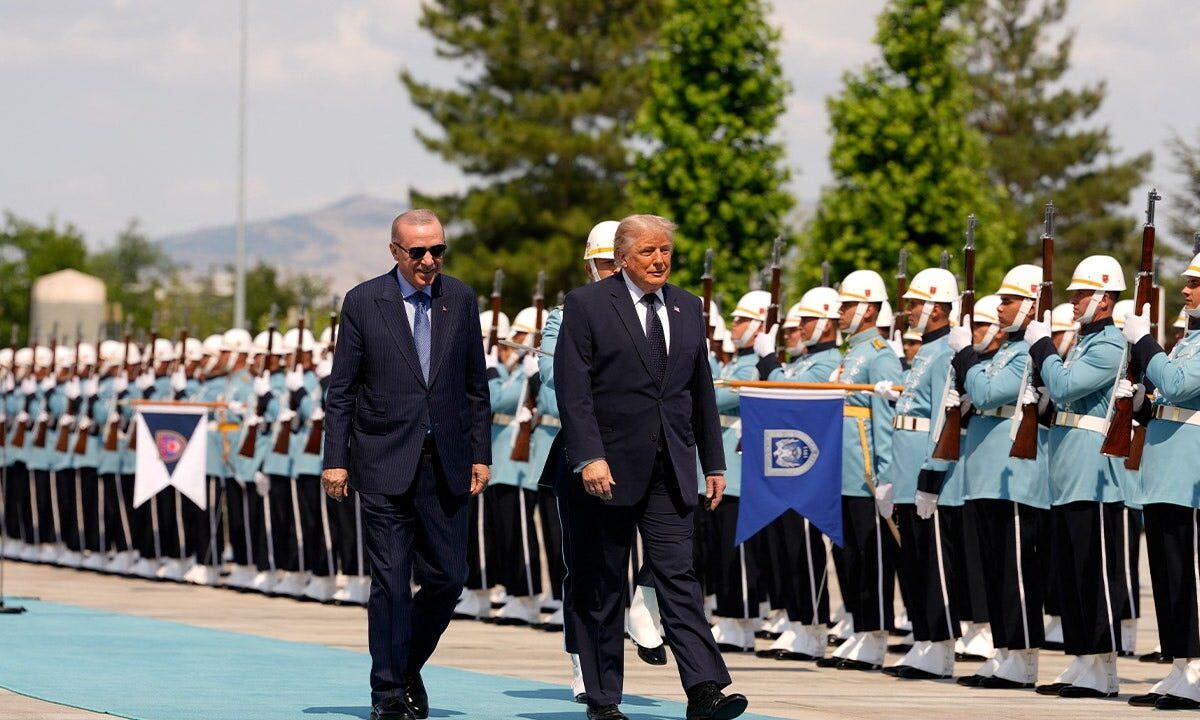
In a bilateral meeting with Turkish President Recep Tayyip Erdoğan, Trump announced the United States would lift certain sanctions on Turkey, saying, “We don’t sanction friends.” He also signaled a willingness to move forward with a potential sale of F-35 stealth fighters to Ankara, a move that would reverse a years-long U.S. policy response to Turkey’s earlier purchase of the Russian S-400 air-defense system.
Administration officials framed the steps as an effort to restore closer cooperation with a NATO ally and to broaden the alliance’s industrial and operational ties. Officials noted that any formal export approvals and certifications for advanced aircraft would still require additional interagency reviews and export licensing steps before a sale could be finalized.
European diplomats at the summit said the announcement sparked immediate questions about timing, conditions and whether Turkey would meet interoperability and security requirements tied to sensitive defense technology. Some NATO partners cautioned that restoring full defense cooperation with Ankara would take time and assurances on technical safeguards.
NATO summit: Ukraine warns of Patriot interceptor shortages
Ukrainian officials told allies they are “critically low on Patriot interceptor missiles,” according to summit delegations. Kyiv warned that dwindling inventories left it unable to stop all ballistic threats during recent large-scale attacks; Ukrainian officials said none of the ballistic missiles launched in one recent barrage could be intercepted because Patriot stocks were depleted.
The Ukrainian appeal asked nearly 40 partner nations to consider transferring Patriot interceptors from their existing stockpiles to bridge the gap while production is ramped up. Delegations said the request reflected an urgent operational shortfall that is not easily solved by future procurement alone.
Germany and other European partners have pledged financing and stepped-up production to supply Ukraine with additional interceptors and munitions, but officials cautioned many deliveries are not expected for months or, in some cases, years. That timeline makes short-term transfers from allies’ inventories the most viable option to restore defensive coverage quickly, but donors would face trade-offs for their own homeland defense readiness.
Summit discussions also touched on production bottlenecks. Several defense officials noted that Patriot interceptors and associated missiles require complex manufacturing lines and specialized components, meaning that scaling up output can take significant time even with prioritized funding.
Defense spending push and the 5% GDP target
Turning promises into capability was a central summit objective. Leaders discussed how to convert 2025 commitments — including a target for some members to reach 5% of GDP on defense-related spending and investments — into concrete procurement, stockpiling and industrial plans.
NATO Secretary-General Jens Stoltenberg urged members to present “clear, concrete and credible plans” to meet their commitments, stressing the need for accelerated weapons and ammunition output. Stoltenberg and other officials said the focus is on making budget pledges translate into deployable hardware and sustainable supply chains.
Trump used his platform to press European allies on burden-sharing and suggested he might reconsider the U.S. troop posture in Europe if partners do not deliver on defense spending commitments. “With all the money we spend to help them with Russia … we don’t have to spend any money. We could remove all of our soldiers out of Europe,” he said, reiterating a long-standing criticism meant to prod faster action on spending and production.
Allies at the summit acknowledged friction over both ambition and timelines. Several European officials argued that while headline GDP targets are useful for political momentum, the immediate priority is linking funding to prioritized lines of production, joint procurement programs and clear timelines so that industrial capacity actually grows where it is needed.
What comes next
Short-term: NATO officials and partner governments warned that immediate, on-the-ground relief for Ukraine will likely come from transfers of existing interceptors and missiles rather than new production. Those transfers can be arranged quickly in diplomatic talks, but they reduce donor inventories and require careful coordination to avoid leaving other regions exposed.
Medium-term: Financing and production boosts pledged at the summit are expected to increase output, but officials say many deliveries will not arrive for months or years. That makes the timing and sequencing of transfers, and the opening of additional production lines, a top follow-up priority for defense ministers and procurement agencies.
Political follow-up: Trump was scheduled to take part in a summit closing press conference to frame U.S. priorities for the alliance and outline any bilateral outcomes. Diplomats said leaders will return to capitals to finalize spending plans, procurement timelines and logistics arrangements that emerged during the talks.
Force posture: Officials cautioned that any changes to U.S. troop posture in Europe would require consultations and careful planning; leaders said discussions about posture remain linked to broader burden-sharing and capability commitments that will continue after the summit.
Reporting for this article is based on the Fox News account of the summit and on statements from summit delegations and officials. Original coverage: Trump enters final NATO summit day as Ukraine, defense spending take center stage.