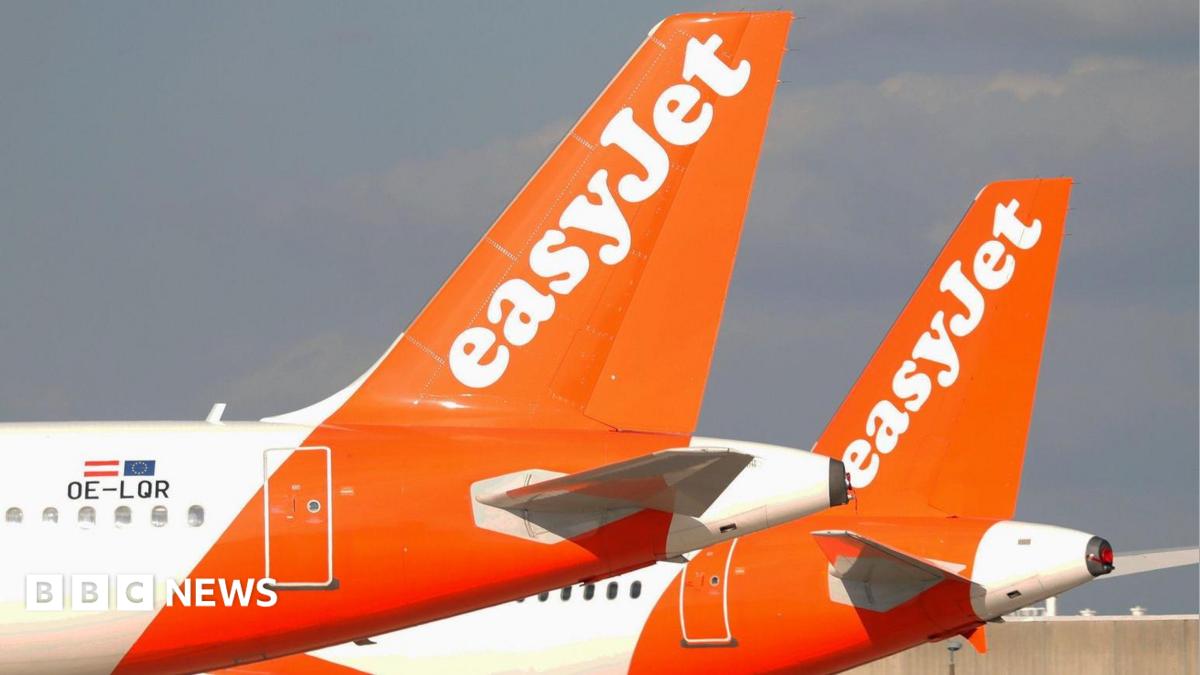
EasyJet says it has agreed in principle to a rival £5.7bn EasyJet takeover bid from US investment firm Apollo. The company described the arrangement as provisional and said no final terms had been published.
Quick summary
- Offer value reported: £5.7bn.
- Buyer named by EasyJet: Apollo (US investment firm).
- Company language: “agreed in principle” and that Apollo “trumped” a potential Castlelake approach.
- No final terms, financing details or regulatory approvals published at the time of reporting.
What EasyJet says
In a short statement, EasyJet said it had received a bid from Apollo and that the board had concluded the Apollo proposal had, in its view, trumped an earlier potential approach from Castlelake. The airline stressed the position was provisional and that full terms had not been disclosed.
Note: EasyJet’s description that Apollo “trumped” Castlelake is the company’s assessment and remains unverified at this stage.
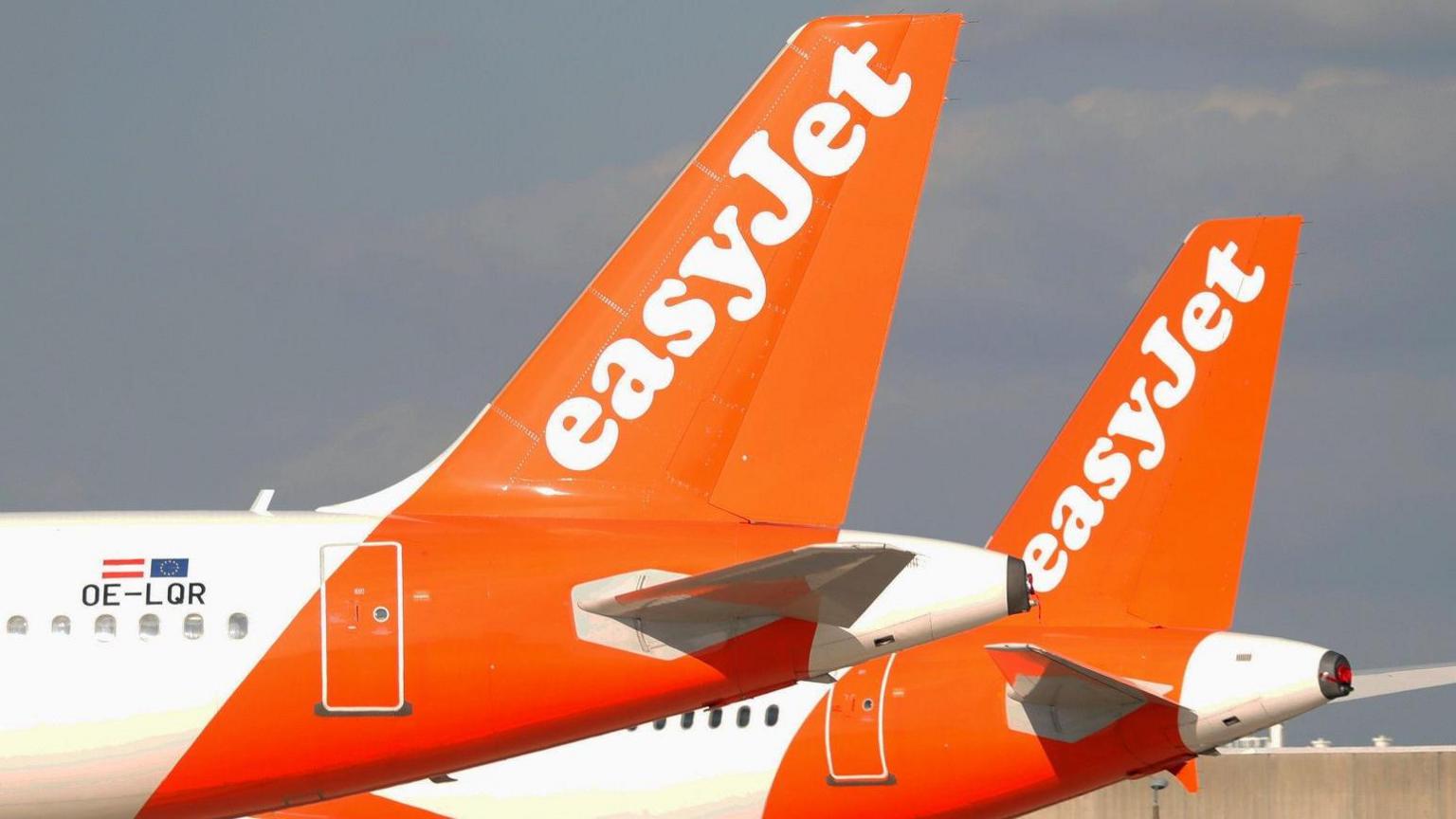
EasyJet takeover bid: what we know
Certain points are clear from EasyJet’s announcement. The headline valuation is £5.7bn and the airline says it has “agreed in principle” to the rival proposal. Beyond that, EasyJet has not published binding terms, financing details or a timetable.
“Agreed in principle” typically indicates a preliminary understanding rather than completed legal documentation. Investors and market commentators will be looking for a formal offer document and any board recommendation before treating the bid as final.
Why it matters for investors and passengers
For investors, a competing £5.7bn offer can push up expectations for EasyJet shares as buyers and sellers price in the likelihood of a deal or a bidding contest. A formal offer or competing proposals from other suitors could materially affect the share price.
Regulatory approval is a major factor. Any completed takeover would likely be subject to competition checks and potentially national security or foreign investment scrutiny, depending on the structure and any proposed governance changes. That can influence both timing and outcome.
Passengers are unlikely to see immediate operational change while the deal is provisional. Over time, a change of ownership can affect route strategy, fleet and cost plans, but such effects depend on the successful bidder’s strategy and any regulatory commitments made during the clearance process.
What comes next
If Apollo proceeds, a formal offer document should be published setting out precise terms, any conditions and how the bid would be financed. Regulatory reviews and shareholder decisions usually follow a formal offer.
Regulatory processes can take weeks or months. Castlelake, previously linked to a potential approach, may decide whether to make a competing bid or respond in another way. The market will watch for a formal offer, any board recommendation and statements from competing parties.
Short timeline
- Before this: Castlelake was reported as a potential suitor.
- Current: EasyJet says Apollo has lodged a rival £5.7bn proposal and the company has “agreed in principle”.
- Next: formal offer documents may be published; regulatory and shareholder processes would then follow.
Market participants should treat EasyJet’s announcement as a provisional company update rather than confirmation of a completed transaction. Key details—final terms, financing arrangements and any regulatory undertakings—remain to be disclosed.
Source: BBC News – Business (published 2026-07-10).