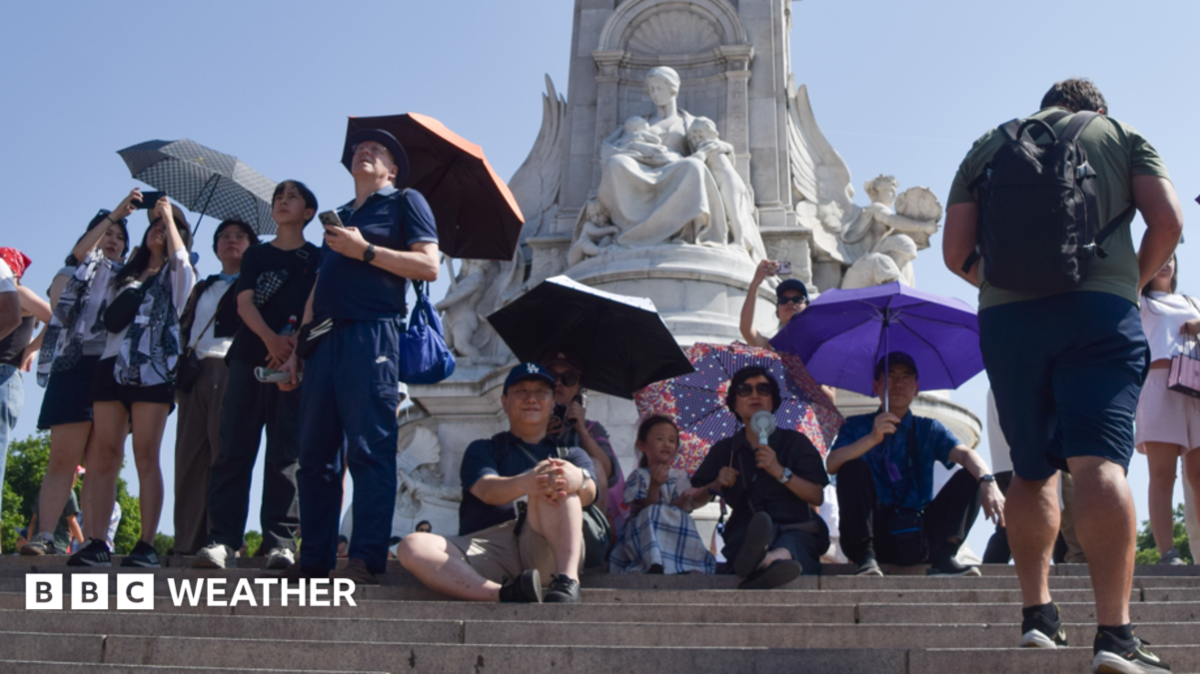
BBC forecasters say the UK heatwave will intensify as it enters its second week, with heat and humidity expected to rebuild across much of the country after a short-lived drop in temperature. The update stresses that models indicate a renewed period of warm, humid conditions for many areas over the coming days, though timing and intensity could change as new data arrive.
BBC forecast overview
The BBC’s short update says the recent brief dip in temperatures is likely to be followed by a resurgence of warmth and higher humidity. Rather than a sudden, nationwide spike, the forecast points to a gradual rebuilding of heat that will affect some regions more than others.
Forecasters highlight that this projection is based on current weather models. As with any evolving weather situation, the pattern may shift: small changes in wind direction or pressure systems could alter where and when the warmest, most humid conditions arrive. The BBC notes that local variations are expected and that forecasts will be refined as fresh observations and model runs become available.
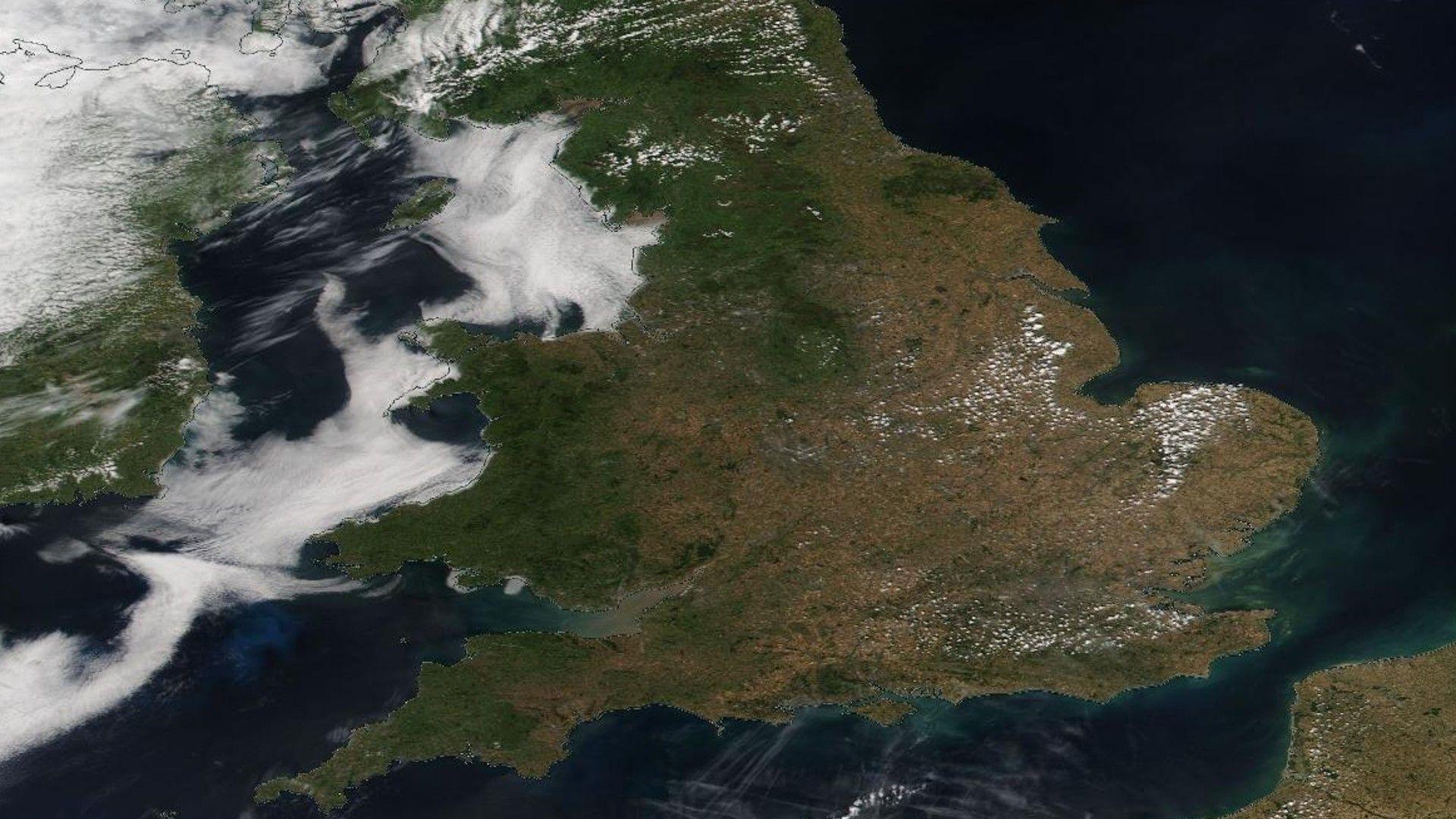
Where heat and humidity will rise — UK heatwave hotspots
The BBC identifies southern and central England as the most likely areas to feel stronger heat and humidity again. Urban centres and some coastal zones can experience intensified humidity, which may make conditions feel warmer than air temperature readings alone suggest.
Scotland, Northern Ireland and northern England are currently expected to see smaller or later increases in temperature and humidity, but local weather systems could bring short-lived warm spells there too. Pockets of the Midlands and the southeast could see the most persistent muggy nights, which can make recovery from daytime heat harder.
- South & Southeast England: Higher likelihood of sustained warm, humid nights.
- Central England & Midlands: Periods of muggy conditions, especially overnight.
- Northern England, Scotland & Northern Ireland: Generally lower impact, though brief warm spells are possible.
UK heatwave outlook for the coming days
As the event moves into its second week, the BBC’s models point to a pattern of generally warmer days and nights in many parts of the UK, with pockets of higher humidity that could make conditions feel oppressive at times. While the summary does not publish specific temperature figures, it emphasises monitoring short-term updates for precise timing and any heat-health advisories.
Readers should expect the situation to be monitored closely by meteorologists; the BBC will issue refinements and any area-specific warnings as models converge and new data arrive. This is not a static forecast: overnight model updates commonly adjust the expected evolution of temperature and humidity.
How readers should prepare
Even without exact temperatures in this summary, practical precautions help reduce heat-related risk. Keep these measures in mind as conditions rebuild:
- Stay hydrated — carry water and drink regularly, even if you do not feel thirsty.
- Create cool spaces at home: close blinds during the day, open windows overnight if it cools down, and use fans safely.
- Check on vulnerable people, including older adults, infants and those with chronic illnesses; ensure they can keep cool and access fluids.
- Plan outdoor activity for early morning or evening; reduce strenuous work in the hottest hours.
- Protect pets and livestock: provide shade and water and avoid leaving animals in hot vehicles or unventilated spaces.
- If travelling, be aware that hot weather can affect vehicle performance and road surfaces; take water and keep phones charged.
Short workplace and community tips
Employers and event organisers should consider flexible working times, shaded rest areas and clear guidance for staff who work outdoors. Local community centres and cooling stations can help those without access to cool indoor spaces.
What comes next
Forecasters will provide routine updates over the next few days and into the week ahead. Key things to watch for are any issued heat-health alerts, changes in overnight temperatures that affect recovery, and targeted advisories for specific counties or urban areas. Because the situation can evolve quickly, check the BBC and local weather services for the latest short-term forecasts and any official guidance.
Key takeaways
The BBC forecasts the UK heatwave to strengthen as it moves into a second week, with heat and humidity rebuilding after a brief dip. Southern and central England are most likely to see the most pronounced increases, although local variation is expected.
This remains a forecast that may be updated; the BBC summary does not include precise temperature figures in this release. Stay tuned to short-term updates for any warnings, and follow routine safety measures to reduce heat-related risk.
Source: BBC News – Top Stories