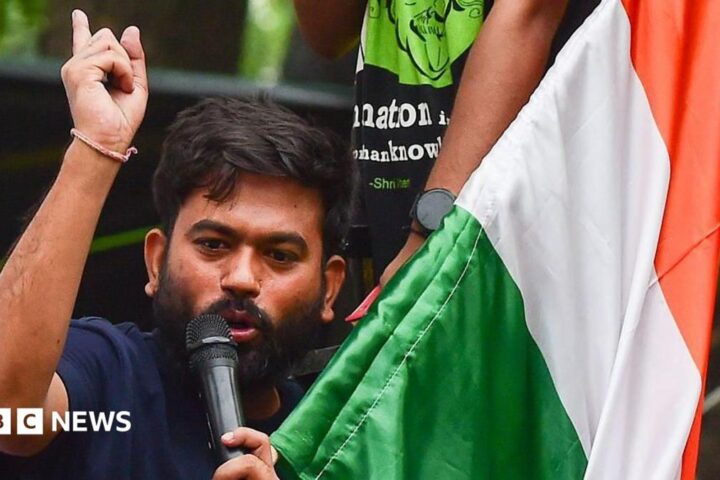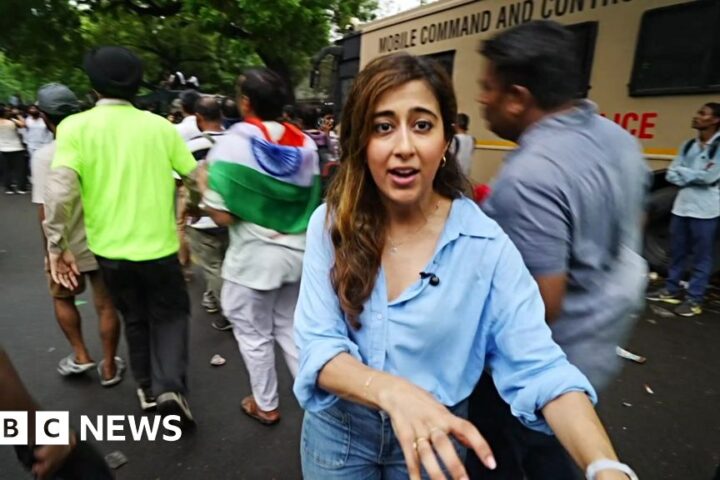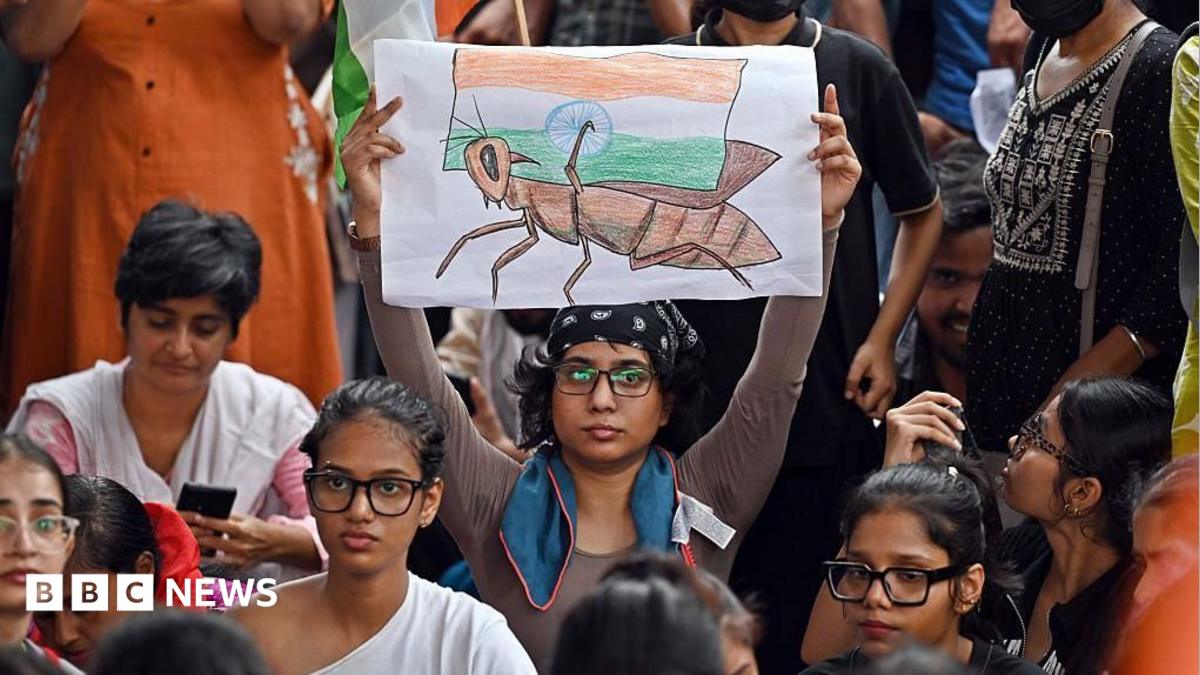
cockroach protests have surged to the gates of the prime minister’s residence, drawing large crowds and an amplified security presence as opposition groups press their campaign. Reports say demonstrators moved from local rallies into higher‑visibility locations this week; on Tuesday the Congress party staged a public protest outside the PM’s house that observers say gave the coalition momentum.
On the ground, witnesses described noisy crowds, placards and slogans around the gated perimeter of the prime minister’s residence. Police were deployed in numbers at key approaches and official statements emphasised law and order. BBC News – India reported that the Congress demonstration appeared to boost a coalition labelled the CJP, though the source does not provide a full organisational breakdown.
How cockroach protests unfolded
The slogan at the heart of the demonstrations — often referred to in coverage as the “cockroach” slogan — began in smaller local actions and spread through social media and street organising. Demonstrations clustered at municipal and state centres before some organisers shifted focus toward symbolic national sites.
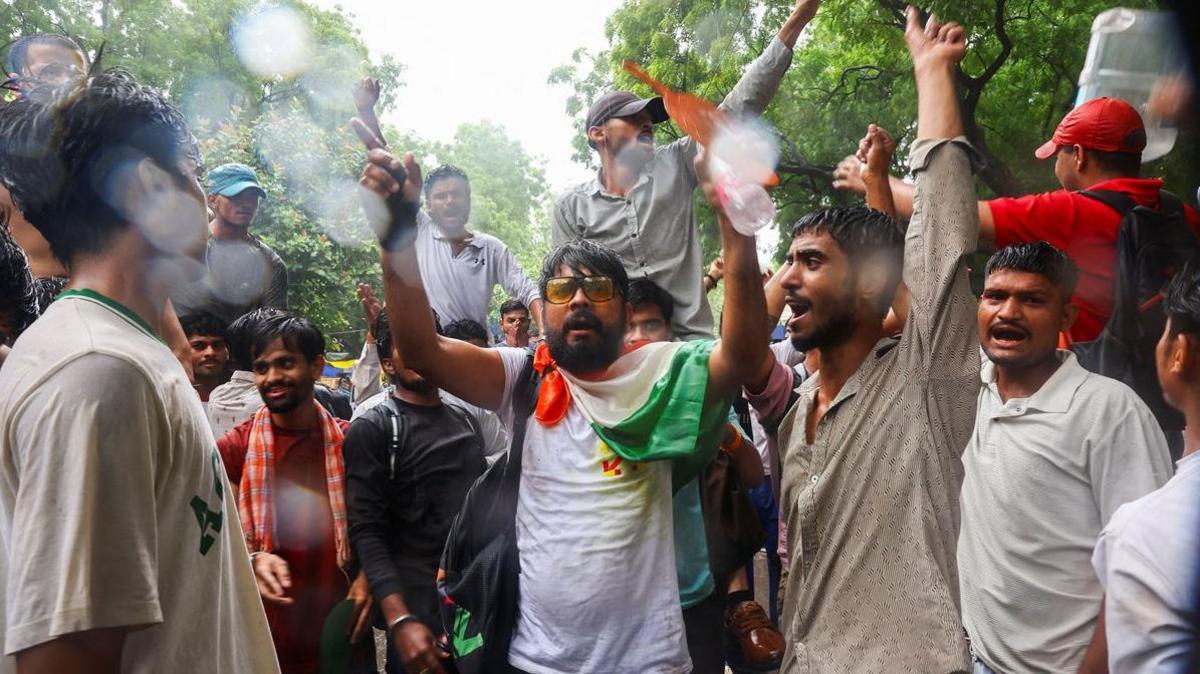
According to BBC News – India, the shift toward the prime minister’s residence marked a tactical escalation. Local organisers told reporters in newer coverage that targeting high‑visibility locations was intended to raise public attention and test the government’s readiness to tolerate large demonstrations in sensitive areas.
Opposition moves and the Congress demonstration
On Tuesday the Congress party mounted a visible demonstration outside the prime minister’s residence. BBC reporting cites organisers and observers who said the event bolstered what they described as the CJP. The BBC article notes the boost in momentum but does not fully define the acronym “CJP” or set out its internal structure.
Bringing a major opposition party into the same physical space as grassroots protesters matters politically. It signals a convergence of organised party activity and street mobilisation that can raise media coverage and force the ruling party to respond in parliamentary, legal or communications terms.
Why cockroach protests increase pressure on the Modi government
Putting demonstrations at the gate of the prime minister’s residence raises the political stakes in several ways. First, the location is highly symbolic: it projects dissent into the core of national political geography and can reshape public narratives about support and opposition.
Second, the presence of a national party like Congress alongside grassroots campaigns suggests organisers are trying to convert street energy into bargaining leverage ahead of legislative and electoral moments. BBC News – India reported that the Congress protest gave momentum to the broader coalition, an effect that can force faster or more visible responses from the government.
Third, repeated high‑profile demonstrations create reputational pressure. Officials may be pushed to respond with statements, investigations or administrative measures — all of which become part of the political debate. So far reports indicate an emphasis on law and order in official messaging, with limited public detail about negotiations or concessions.
What comes next will depend on turnout, coalition discipline and how authorities react. If organisers sustain visible mobilisation, the government may intensify security measures or pursue legal steps to limit disruption. Conversely, a de‑escalation could follow negotiations or if crowds thin under pressure or deterrence.
Source and context
This report is based on coverage by BBC News – India, which describes the Congress demonstration outside the prime minister’s residence and reports that the CJP received a boost from that event (see BBC News – India for the original coverage). The BBC uses the phrase “cockroach” as a protest slogan; that reflects demonstrators’ rhetoric and is not an objective label.
Readers should note reporting gaps in available sources. In particular, BBC coverage does not fully define the acronym “CJP” or set out the coalition’s internal command structure. Where analysis characterises the Modi government as “under growing pressure,” that is an assessment drawn from the escalation of demonstrations and media commentary rather than a quantified measure of political standing.
For further updates, follow official statements from the Congress party, any clarifications about the CJP’s makeup, and government communications on public order and protest regulation.
FAQ
What happened with cockroach protests?
Demonstrations using the “cockroach” slogan expanded toward symbolic national locations, including the area outside the prime minister’s residence. BBC News – India reports a Congress-led protest on Tuesday that observers say boosted the coalition referred to as the CJP.
Why does cockroach protests matter?
They matter because actions at the PM’s residence draw national attention and can change political calculations. Bringing party organisers and street protesters together can raise pressure on the government to respond politically or administratively.
What happens next?
Short-term scenarios include continued visible mobilisation, stepped-up security and potential legal or political responses. Much depends on turnout consistency, whether alliances hold, and any incidents that affect public sympathy.
Source attribution: BBC News – India — https://www.bbc.co.uk/news/articles/c9d8p88lyjdo?at_medium=RSS&at_campaign=rss