Ukraine drone attack: Russia’s Defense Ministry on Friday said its forces intercepted 660 drones during a widespread operation that Moscow said affected multiple Russian regions and Russian-held Crimea. The claim, reported by the Associated Press and Fox News, came alongside reports of dozens of incoming drones toward Moscow and a separate 160-for-160 prisoner exchange announced by both sides.
Ukraine drone attack: what happened
According to Russian officials, air defenses engaged hundreds of unmanned aerial systems overnight and intercepted 660 drones across several regions and over the Black Sea. Moscow’s mayor, Sergei Sobyanin, said 47 drones were shot down as they advanced toward the capital.
The Russian tally follows a similar large wave in mid-May when about 556 drones were reported in an earlier assault. Ukrainian statements also described intense air-defense activity the same night, and both governments reported a simultaneous prisoner swap involving 160 people freed on each side.
Russian and Ukrainian air-defense claims
Moscow’s Ministry of Defense relayed the 660 figure to state media and to international news organizations. Ukrainian air-force officials said they had stopped 174 of 189 Russian drones during their overnight air-defense operations.
Both sides presented the tallies as evidence of effective defenses. Analysts caution that official intercept figures can reflect differing counting methods – for example, whether damaged, diverted or crashed drones are all counted as intercepted.
Missile breaches and reported hits
The Associated Press quoted Russian officials as saying four of seven launched Iskander-M short-range ballistic missiles breached air defenses and struck various locations. Russian statements distinguished those missile impacts from the drone intercept totals.
Iskander-M missiles are typically used to strike military or infrastructure targets at relatively short to medium ranges. Independent verification of missile impact sites and damage assessments was limited at the time of initial reporting.
Prisoner swap and official statements
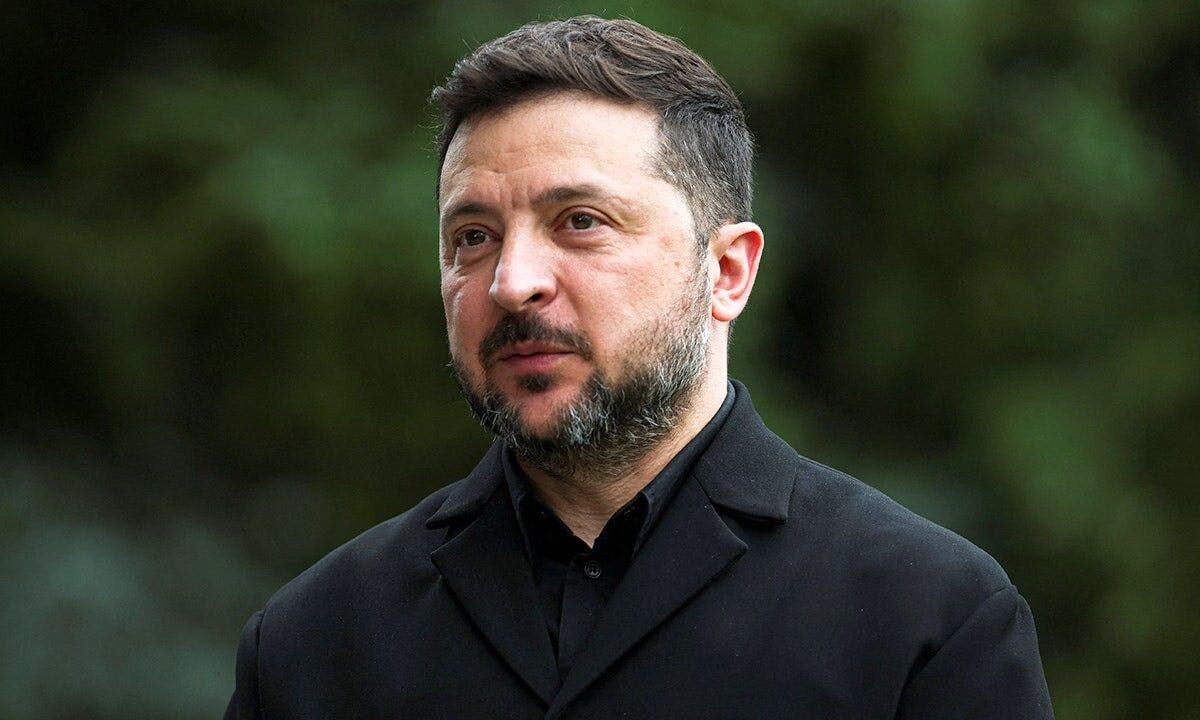
Separately, Ukrainian President Volodymyr Zelenskyy posted on X that “We continue bringing Ukrainians home from Russian captivity. Today, 160 servicemembers were released from captivity. All of them had been held captive since 2022.” Kyiv said those freed included personnel from the Armed Forces, the National Guard, border guards and other services, with some captured in places such as Mariupol and Azovstal.
Moscow also described the exchange as a reciprocal humanitarian action. Reporting on the swap relied on official statements and reporting from the Associated Press and other outlets; some individual identities and circumstances were not independently verified in early accounts.
Quick context: past drone waves and tactics
This episode fits a pattern of increasingly large drone salvos used by both sides over the past year. The AP reported a prior major wave in mid-May that used about 556 drones. Such concentrated launches are intended to overwhelm air defenses or target logistics and energy infrastructure.
Both sides also mix unmanned systems with missile strikes, as seen in the reported use of Iskander-M systems alongside the drone activity. That combination complicates defenses and post-strike damage assessments.
Why this matters and what comes next
If confirmed, the scale of the reported Ukraine drone attack would be significant for the aerial dimension of the conflict, suggesting continued emphasis on massed drone tactics. Large salvoes raise the risk of escalation and put pressure on air-defense inventories and readiness.
Verification caveats are important: official interception tallies and impact claims are often contested and can change as independent imagery, on-the-ground reporting and open-source analysis are collected. Analysts will be watching for corroborating evidence, including satellite images, local media reports from impacted areas, and further official statements.
In the near term, observers expect follow-up reporting and additional statements from both militaries. Key indicators to monitor include independent damage assessments, frequency of similar drone waves, and any shifts toward heavier missile use in retaliation.
Source attribution
This report is based on initial reporting by the Associated Press and Fox News. Original reporting: Fox News (AP). For Associated Press coverage see AP News.
Verification caveat: Numbers cited here come from official statements by Russian and Ukrainian authorities and initial reporting by the Associated Press and Fox News. These figures are presented as reported and may be contested or revised as independent verification is completed.
FAQ
What happened with Ukraine drone attack?
Russian officials said their forces intercepted 660 Ukrainian drones in a widespread operation; Ukrainian officials reported stopping about 174 of 189 Russian drones the same night. Both sides issued official counts that have not been fully independently verified.
Why does the Ukraine drone attack matter?
Large drone salvoes can overwhelm defenses and target critical infrastructure, altering battlefield dynamics and increasing the risk of retaliation and escalation.
What happens next?
Expect independent verification efforts, follow-up reporting, and further statements from military officials and analysts to clarify damage, casualty and operational impacts.