
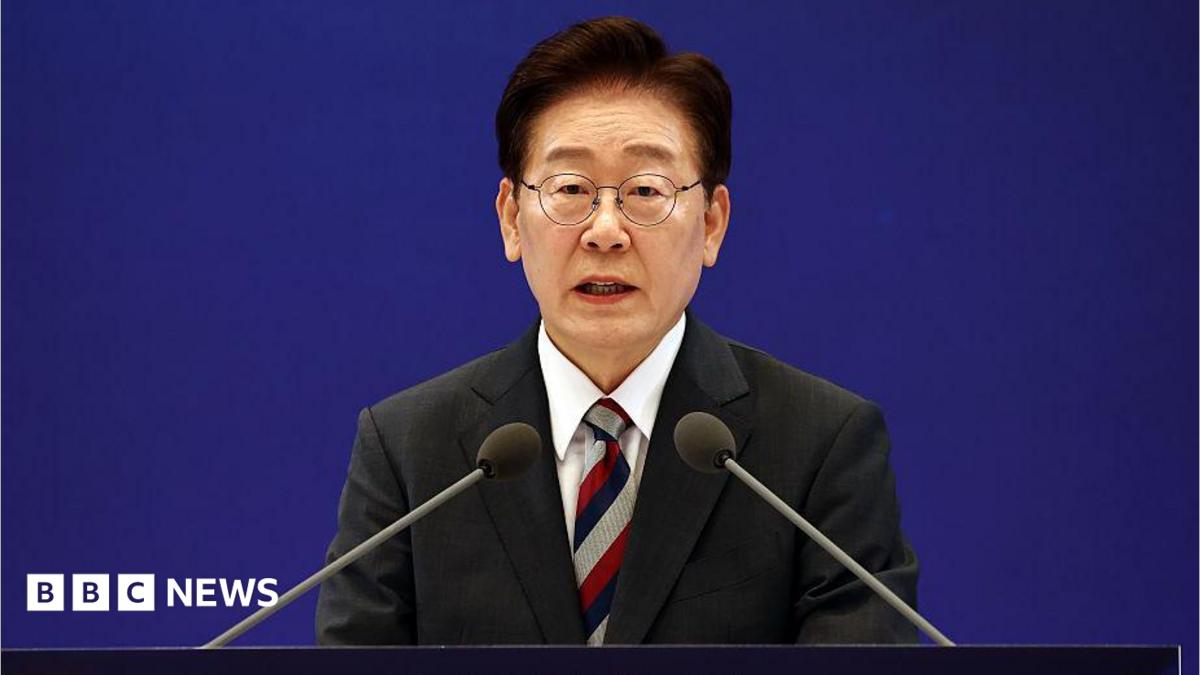
South Korea unveiled a $1tn chip and AI investment plan on 29 June 2026, intended to accelerate semiconductor production and expand artificial intelligence capabilities nationwide. The package, reported by the BBC, is described by officials as a multiyear effort combining public funds, incentives and measures to draw private capital into new fabs, R&D and supporting infrastructure.
The announcement frames the spending as a strategic push to protect and grow South Korea’s role in the global chip industry and to back up an expanding domestic AI ecosystem. Officials and observers say the plan is aimed at increasing capacity, reducing supply-chain risk and fostering home-grown AI development.
South Korea $1tn chip and AI investment plan: announcement details
According to the BBC report, the plan totals roughly $1tn and was publicly revealed on 29 June 2026. Government officials characterised it as a coordinated package that will mix direct public spending with fiscal incentives, regulatory easing and public-private partnerships.
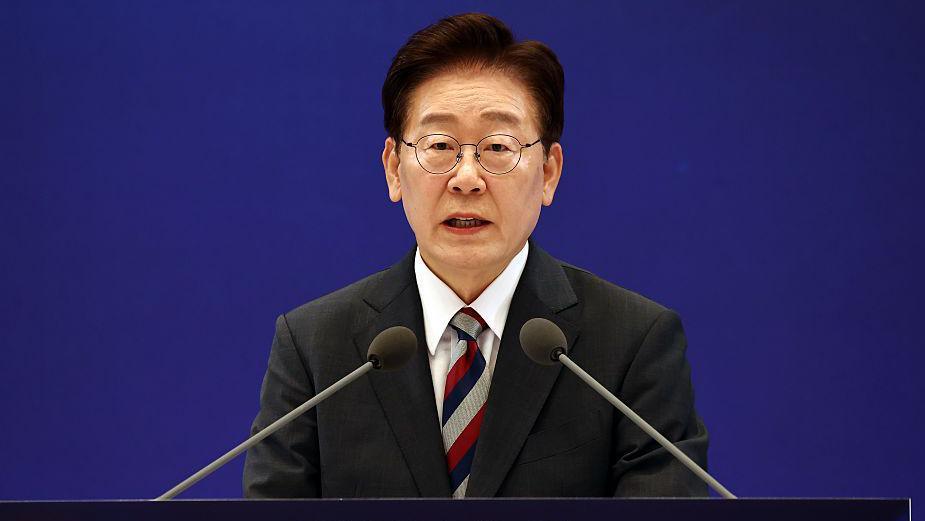
Press statements cited in the BBC coverage emphasise that the commitment is intended to be spread across multiple years rather than delivered as a single lump sum. The focus, as reported, is on creating the conditions for large-scale private investment in new fabrication plants (fabs), encouraging firm-level R&D and supporting the industrial ecosystem that serves chipmakers and AI developers.
What the plan will fund
BBC coverage lists chips, chip factories and AI projects as the primary targets for the funding. Officials say the package will cover a mix of capital support, incentives and structural measures designed to accelerate projects already in planning and to attract new ones.
Specifically, the plan is reported to include: support to expand fabrication capacity and modernise existing production lines; incentives to speed permitting and secure land and utilities for new fabs; targeted funding for AI research, data infrastructure and model development; and measures to bolster links between universities, research institutes and industry. The government also plans measures to attract foreign and domestic private capital, though the BBC notes that precise budget breakdowns and project lists were not published in the initial report.
Officials framed the spending as addressing several bottlenecks: high upfront costs for fab construction, the need for specialised equipment and a shortage of specialised talent for next-generation process nodes and AI workloads. The announcement indicates policy tools beyond grants—such as tax measures, streamlined approvals and infrastructure support—will be used to reduce barriers to investment.
Regional context and competition
The BBC notes the announcement comes as Taiwan, China and Japan are also investing heavily in chip factories and related technology. South Korean officials positioned the $1tn plan as a necessary response to that regional momentum, stressing the strategic importance of maintaining cutting-edge capacity and secure supply chains.
The BBC’s reporting frames the comparison in broad terms: rivals are increasing their own efforts to build or subsidise fabs and associated ecosystems. The story stresses this as reported context rather than a line-by-line budget comparison—keeping the piece aligned with the available sourcing and avoiding claims beyond what the BBC published.
Impact for industry and investors
Market analysts typically view large government commitments as market signals that can catalyse private investment and alter supply-chain planning. In this case, the BBC and commentators cited in its coverage suggest the $1tn package could prompt new fab construction, accelerate equipment orders and encourage semiconductor-equipment suppliers to scale production to meet anticipated demand.
For technology firms, the plan may ease some lead-time pressures by increasing prospective capacity and by creating stronger local supplier networks. It could also encourage firms to locate more advanced packaging, testing and assembly work closer to major fabs, helping to shorten logistics chains and improve resilience.
Investors often read such state-backed packages as indicating policy-backed demand for years ahead. That can lift valuations for suppliers and equipment makers, and it can spur merger and acquisition activity as firms seek scale. The BBC article presents these outcomes as likely implications rather than certainties, noting that actual market impact depends on implementation speed, site selection, and private-sector responses.
Observers will watch for concrete follow-up decisions: which projects receive the first allocations, the timeline for ground-breaking on new fabs, and the balance of grants versus incentives. These details will determine which domestic companies and foreign partners benefit most from the plan.
By the numbers
- Total announced: $1tn
- Announcement date: 29 June 2026
- Primary sectors: chips, AI, chip factories
- Programme type: multiyear public-private package (details pending)
- Regional note: Taiwan, China and Japan are also investing heavily (as reported)
The BBC report did not provide a full, itemised financial schedule. That means observers must watch follow-up announcements for precise allocations, project sites and named corporate partners.
Source and attribution
This article is based on reporting by BBC News – Technology. For the original coverage, see: BBC News – Technology: South Korea unveils $1tn chip and AI investment plan.