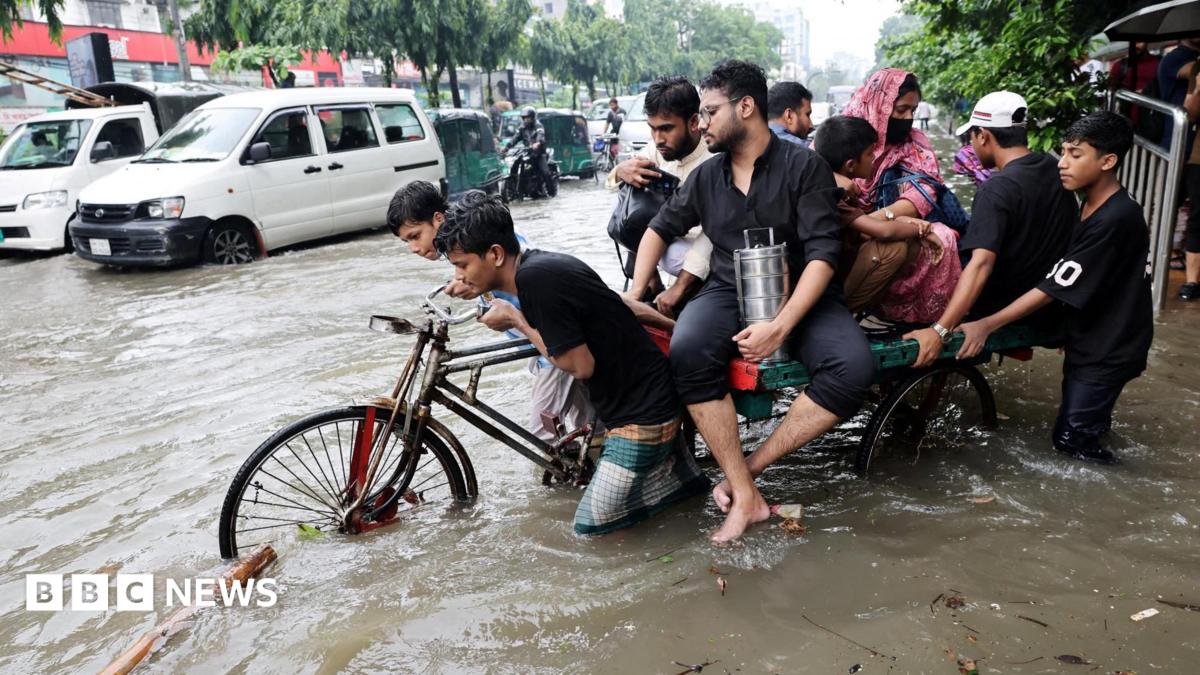
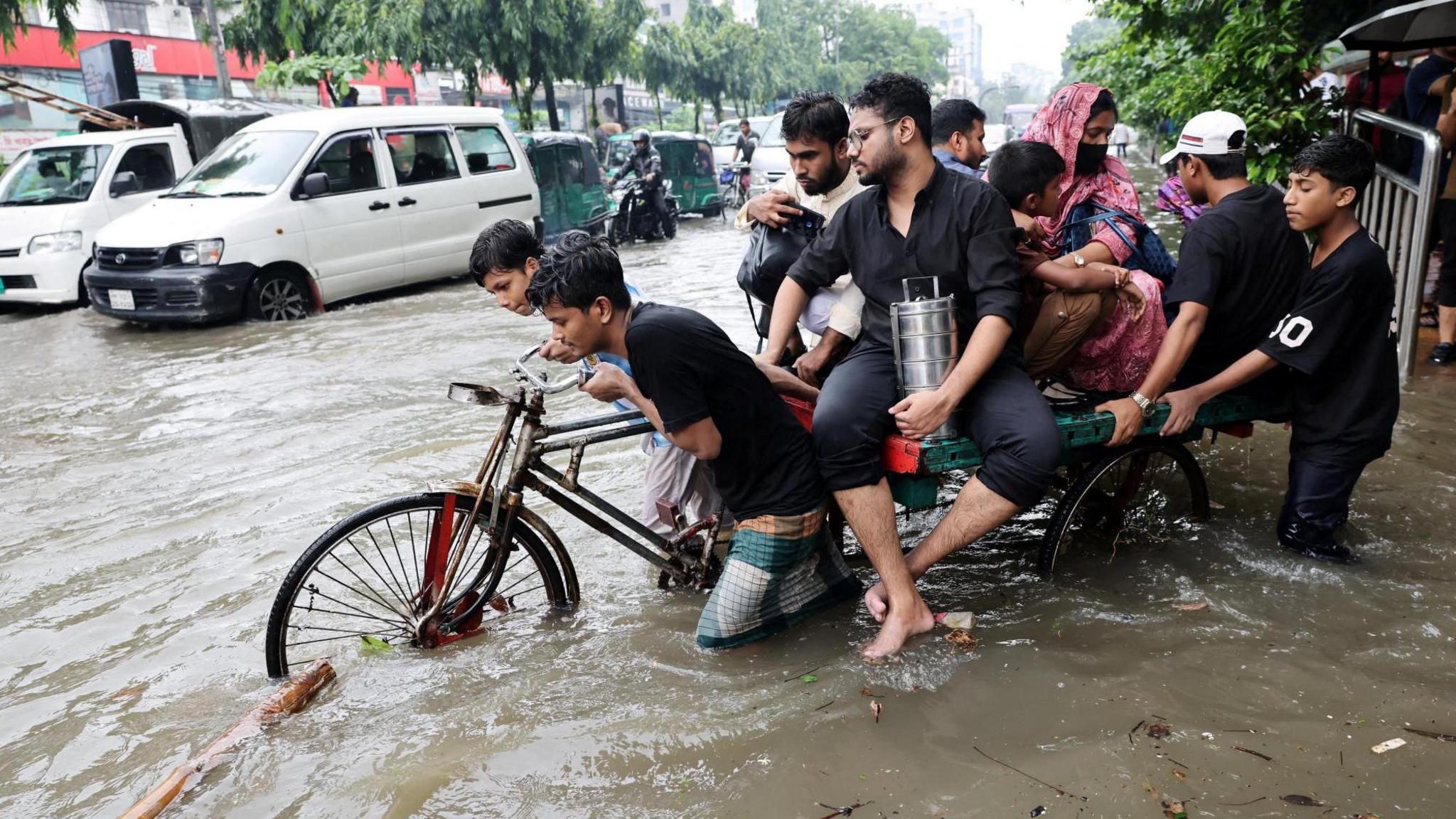
Bangladesh flash floods have, according to BBC reporting, killed at least 51 people and left thousands of families without homes after days of intense rain. The verified toll and the scale of displacement are from BBC News – Top Stories; local and national authorities and rescue teams are continuing search-and-rescue work while assessing how many people need shelter and urgent assistance.
Bangladesh flash floods: what we know
Officials and BBC coverage report 51 fatalities linked to recent severe weather and flash floods. Thousands of people are said to have lost their homes as sudden runoff and landslides swept through multiple districts, cutting roads and isolating communities.
Communications have been disrupted in some of the hardest-hit areas, which means figures remain provisional and are expected to be updated as access improves and authorities complete assessments. The BBC report remains the primary verified source for the casualty and displacement figures cited here.
Where the floods hit
Floodwaters and landslides were reported across large parts of the country, with both low-lying plains and hilly border zones affected. Heavy rainfall overwhelmed drainage systems in many towns and caused rivers and tributaries to burst their banks in places.
Local officials describe fast-moving runoff in some hilly areas that became flash floods, and landslides where slopes were saturated. Road closures and damaged bridges have hampered movement and the delivery of aid to some communities.
Human impact and response
Families have been forced to evacuate as water rose quickly in some communities. Emergency responders, volunteers and local authorities are prioritising evacuations, temporary shelter and the distribution of basic supplies such as food, clean water and medical care.
Rescue teams have reported going door-to-door where possible and using boats and high-clearance vehicles for evacuations. Many displaced people are staying in makeshift shelters, community buildings or with relatives while authorities assess longer-term needs.
Health officials warn that standing water and crowded shelters increase the risk of waterborne and infectious diseases; relief agencies are focusing on sanitation, clean drinking water and basic medical support for vulnerable groups including children and older adults.
Relief, warnings and official sources
Government agencies have issued warnings about continued heavy rain in some areas and are coordinating emergency response where access allows. Some offices and local administrations are conducting rapid needs assessments to prioritise which communities require immediate relief.
Transport disruptions — including blocked roads and damaged bridges — have slowed the delivery of supplies to the worst-hit zones. Where roads remain impassable, authorities and responders are relying on boats and other alternatives to reach stranded families.
What comes next
Readers should watch for updated weather forecasts and official advisories; further rainfall could complicate rescue and recovery and may change the extent of flooding. The pace at which authorities can verify casualties and displacement will depend on improving access to affected areas.
Humanitarian partners and government responders will monitor shelter needs, sanitation, health risks and the restoration of basic services over the coming days. Officials and aid groups typically coordinate to estimate how many people will require longer-term support and to plan relief distribution accordingly.
We will update this report as authorities release new figures and as BBC and other verified sources publish further information.
Sources: BBC News – Top Stories. Original reporting: Heavy rains and flash floods in Bangladesh leave 51 dead (published 2026-07-13).