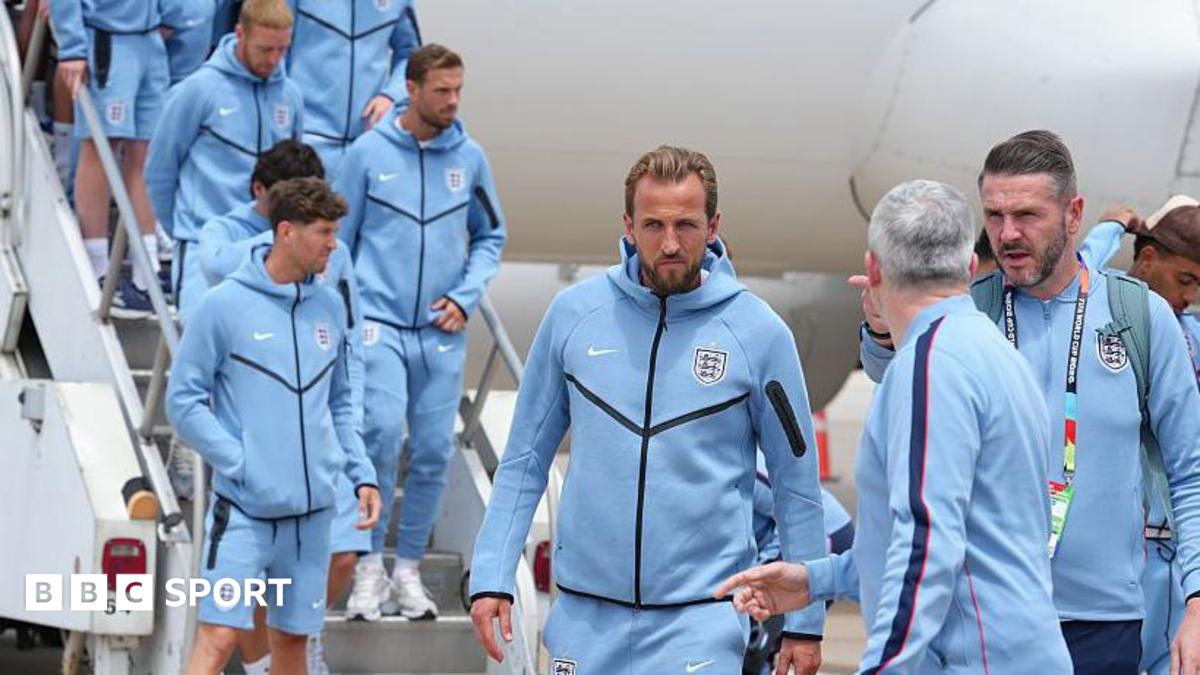
BBC Sport has reported that England logged the highest England air miles among the semi-finalists at World Cup 2026, a continental tournament spread across North America. The finding highlights the logistical strain placed on some squads and prompts a closer look at what the reported travel patterns do — and do not — show.
This analysis restates the BBC claim, compares England’s travel with France and Argentina, explains limits to the available data, and flags what to watch as England prepare for the semi-final.
England air miles: what BBC Sport reported
The BBC Sport report says England travelled more than fellow semi-finalists France and Argentina over the course of the tournament, based on match locations and transfer legs. That is the core claim: England accumulated the greatest air-travel exposure of the remaining teams as World Cup 2026 took place across multiple countries in North America.

Importantly, the BBC article presents a comparative finding rather than publishing a single, independently verified mileage total for each team. The report frames differences in travel patterns and logistical demands; it does not include a definitive miles-per-team table in the piece itself.
How England’s travel compared with France and Argentina
At a tournament with host cities across the United States, Canada and Mexico, travel burden depends on where teams were based, the order of fixtures and whether squads needed repeated cross-continent transfers. According to the BBC, England’s itinerary involved more legs and longer cumulative movement than France and Argentina.
France and Argentina also faced significant travel, but their match sequences and chosen bases appear to have reduced repeated long-haul movements. In practical terms, a single long trip followed by a stable training camp is usually easier to manage than multiple inter-city flights and frequent time-zone changes.
Could the travel burden affect performance?
There are clear physiological pathways by which travel can influence athletes: disrupted sleep, circadian misalignment, travel fatigue and compressed recovery windows can all affect readiness. These mechanisms make travel burden a valid factor to consider in tournament performance analysis.
However, the BBC reporting does not establish a causal link between higher air miles and on-field outcomes. National teams use charter flights, recovery protocols and tailored schedules to reduce travel impact; variations in staff practices, squad rotation and match circumstances mean travel is one of several variables that shape results.
By the numbers
The BBC article emphasises relative differences in travel exposure but does not publish exact mileage totals for each semi-finalist in one consolidated table. In other words, no single-source definitive mileages are provided in the BBC piece itself.
To give geographic context: World Cup 2026 matches were held across multiple host cities in the United States, Canada and Mexico, which creates a wide range of potential transfer distances. Teams that were required to criss-cross these venues logged more flight legs; the BBC’s comparison places England at the top among semi-finalists on that measure, while stopping short of a full numeric ledger.
What comes next for England
With a semi-final to prepare for, England’s immediate priorities are recovery, focused training and limiting unnecessary travel in the days before the match. Practical measures likely include optimising sleep schedules, targeted on-field sessions and minimising late transits so the squad can maintain sharpness.
Observers should watch for changes in reported training intensity, any late travel plans from the camp and official medical updates as indicators of how the team is managing its preparation and the logistical burden flagged by the BBC.
Assessment and limits
The BBC Sport finding is newsworthy because it highlights a logistical angle of a continent-spanning World Cup. That said, readers should note the report’s limits: without independently verifiable mileage tables for each team and without controlled analysis linking travel to outcomes, any claim that miles alone determined results would be speculative.
Travel management, squad depth, tactics and match events remain core drivers of performance. The travel story adds context rather than providing a standalone explanation for success or failure.
FAQ
Did England travel more than France and Argentina?
According to BBC Sport’s reporting, yes — England logged more air travel than France or Argentina among the semi-finalists. The BBC presents this as a comparative finding.
Does the BBC article give exact mileage figures?
No. The BBC article highlights relative differences and the geographic strain of World Cup 2026 across North America, but it does not publish a single definitive mileage total for each semi-finalist in the piece itself.
Is there evidence that more air miles hurt team performance?
There are physiological reasons travel can affect athletes, but current reporting does not prove a direct effect on match outcomes. Teams deploy travel-management strategies to reduce risk, and on-field results are influenced by many factors beyond distance flown.
Source: BBC Sport. Full report: https://www.bbc.co.uk/sport/football/articles/cj4g7v9e51jo?at_medium=RSS&at_campaign=rss