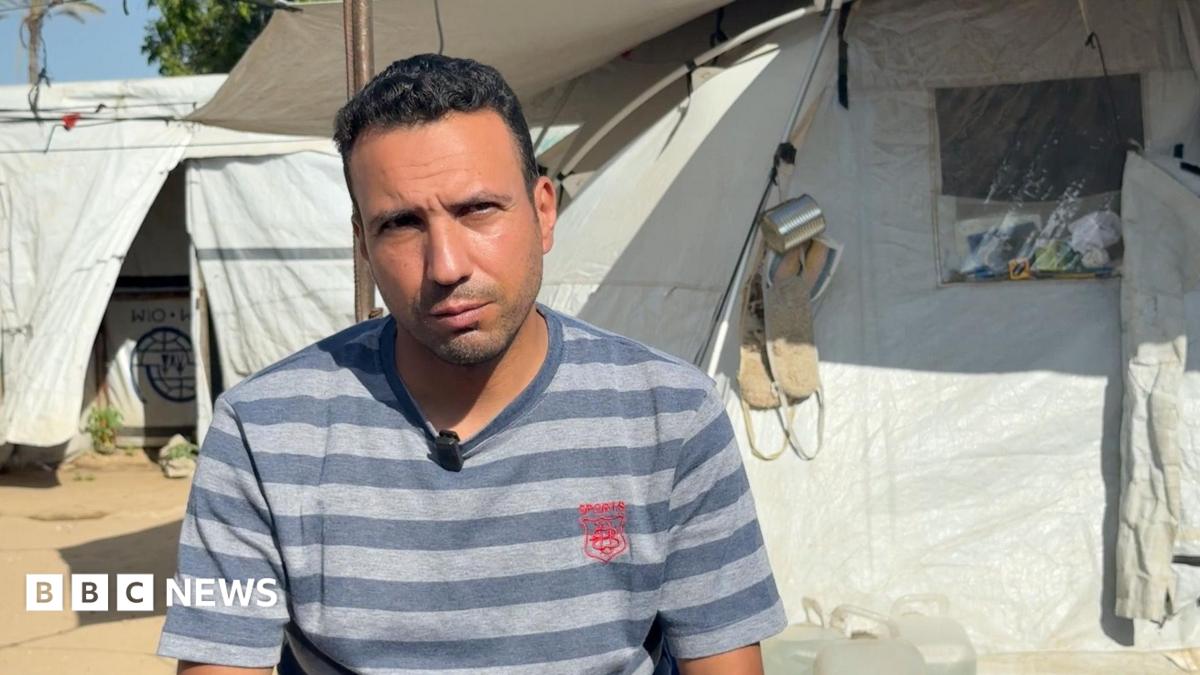
“Two weeks after her death I got a call.” That line, used by a relative quoted in the BBC report, captures the anguish families feel amid Gaza evacuation delays: people who sought transfers for specialist care abroad found approvals, transport and border access taking too long.
BBC journalists in Gaza collected interviews with relatives, clinicians and hospital staff and reported that Gaza’s Hamas-run health ministry estimates roughly 300 patients referred for treatment abroad have died since the ceasefire. The number is presented in the BBC coverage as an official estimate from local health authorities; the wider story documents the practical barriers behind those tragic outcomes.
About 300 referred patients have died, Gaza’s Hamas-run health ministry says
Reporters described multiple cases in which transfer requests were filed but approvals, transport arrangements or access through crossings were delayed by days or weeks. Health staff and relatives said those hold-ups sometimes closed windows of opportunity for lifesaving specialist care abroad.
Patient stories and the human cost
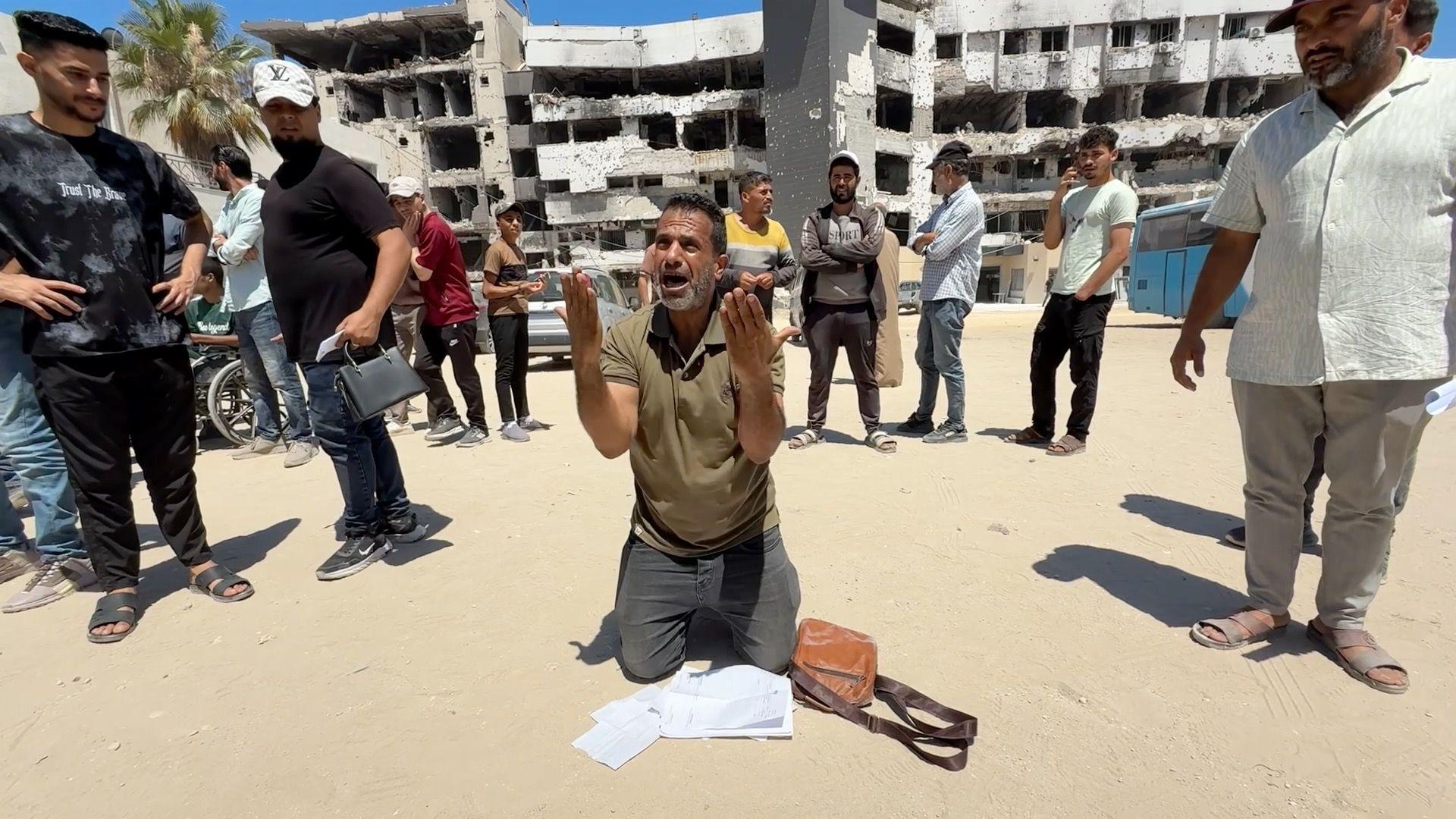
The BBC coverage foregrounds personal accounts. Families describe frantic attempts to secure permits, arrange ambulances and identify accepting hospitals abroad while their loved ones weakened. The quoted line — “Two weeks after her death I got a call” — reflects moments when paperwork and late confirmations made timely transfer impossible.
Clinicians told reporters they saw patients deteriorate while waiting. Some relatives recounted being told a bed, flight or permit was pending, only to be informed too late that the patient’s condition had worsened beyond transfer. Others described being told by hospital staff that there were not enough ambulances, medical escorts, or safe corridors at the necessary times.
These accounts are not presented as a comprehensive audit but as reportage of experiences collected on the ground. They aim to show how administrative and logistical barriers translate into lost opportunities for treatment.
Why transfers are delayed
Multiple, overlapping factors are described as contributing to evacuation delays. Security clearances and cross-border coordination often require agreement from several authorities; that can slow or stall approvals. The BBC report highlights bureaucracy and the need to coordinate between local health services, foreign hospitals, transport providers and border authorities.
Logistical shortages make matters worse. Ambulances, fuel and trained medical escorts are limited. When supply of transport is constrained, priority decisions have to be made and some patients wait longer. The physical state of crossings and the availability of safe medical corridors also affect whether transfers can proceed on a given day.
Backlogs at hospitals both inside and outside Gaza can compound delays. Even where a patient is approved for transfer, finding a receiving hospital able to accept and treat a complex case can take time. International referral pathways depend on hospitals abroad having capacity, specialised teams and the ability to take on foreign patients with urgent needs.
Impact on care and reported deaths
Health workers quoted in the BBC piece warned that delays can change clinical outcomes. Conditions that might have been stabilised or treated with specialist surgery or oncology services abroad can progress into stages that are harder or impossible to treat at the same level.
The ministry’s estimate of about 300 deaths among referred patients frames the scale of the concern: it links recorded referrals to outcomes reported back to the ministry. The BBC presents this as an internally tracked estimate rather than an independently audited total. Reporters note that many of the cases involved complex medical needs and time-sensitive interventions.
When transfers do occur late, clinicians say cases are typically more complicated: patients may need intensive care, prolonged rehabilitation or treatments with lower expected success rates than if they had reached care promptly. That increases clinical burden on both sending and receiving facilities and can worsen prognoses for individuals.
Source, verification and caveats
This article is based on BBC News reporting. The BBC interviewed families, clinicians and health officials in Gaza and reported the estimate that about 300 referred patients have died, attributing that figure to Gaza’s Hamas-run health ministry. The BBC describes it as an estimate drawn from the ministry’s tracking of referrals and reported outcomes.
Independent verification of the full toll is limited in the BBC piece. The ministry’s number appears to reflect local records of referrals and subsequent outcomes but has not been independently audited in the reporting cited here. Readers should therefore treat the figure as an official local estimate rather than a fully verified death toll.
What this reporting makes clear is the human consequence of administrative, logistical and security barriers to medical evacuation: delays in approvals, shortages of transport and constraints at crossings can close crucial windows for treatment and, according to local health authorities, have been linked to a significant number of deaths among those referred for care abroad.
For full details and the original interviews, see the BBC report: Two weeks after her death I got a call: Gaza patients face agonising delays for evacuation (BBC News). Source: BBC News, with the estimate attributed to Gaza’s Hamas-run health ministry and described in that report as an estimate that has not been independently confirmed.